

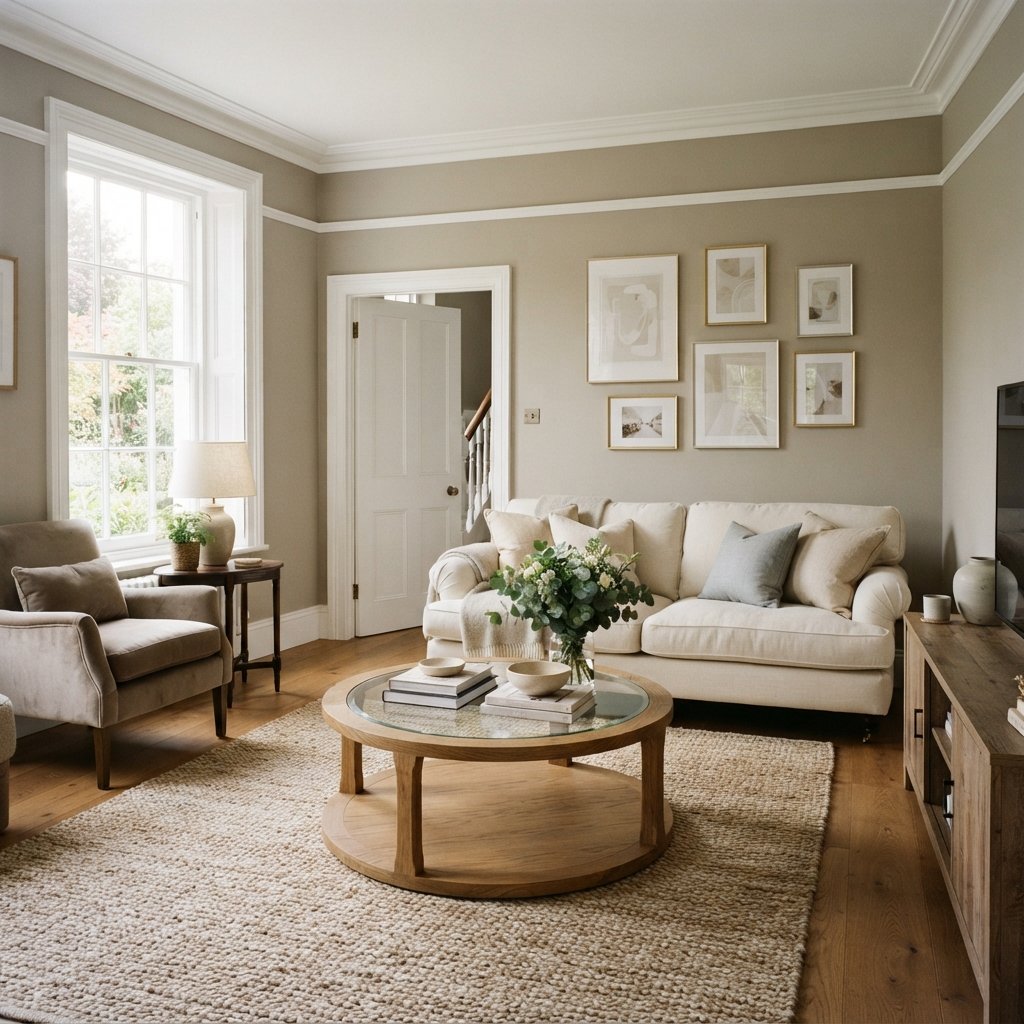
Choosing white paint for trim sounds simple—until you realize just how many versions of white exist.
Some whites are crisp and clean. Others have subtle warmth. Some work beautifully beside beige and greige walls, while cooler whites may look better with blue, green, or cool gray.
The best white paint colors for trim depend on your wall color, flooring, cabinetry, natural light, and the other permanent finishes throughout your home.
Benjamin Moore’s current trim guidance makes the same distinction: it recommends softer warm whites such as White Dove for versatile trim, Decorator’s White with cooler wall colors, Cloud White or Simply White with warmer walls, and Chantilly Lace or Super White when a crisp result is desired. Sherwin-Williams likewise includes Pure White, Extra White, Snowbound, Alabaster, and Greek Villa among its established white collection.
So instead of searching for one universal perfect white, start by deciding what you want your trim to do.
Should it provide noticeable contrast? Blend softly with warm walls? Coordinate with white cabinets? Or disappear into white walls while a change in sheen defines the molding?
Here are 15 white paint colors worth considering for baseboards, doors, crown molding, window trim, paneling, and other millwork.
1. Benjamin Moore White Dove OC-17
White Dove is an excellent place to start when you want trim that feels soft rather than stark.
Benjamin Moore specifically recommends White Dove as a versatile soft white trim color and describes it as having a subtle touch of warmth.
That slight warmth makes it especially useful in homes with:
- Warm neutrals
- Wood flooring
- Cream fabrics
- Traditional interiors
- Natural materials
It can provide definition without creating a sharp white outline around every door and window.
If your home contains lots of creamy finishes, White Dove is certainly worth sampling.
2. Benjamin Moore Chantilly Lace OC-65
If you want something much cleaner and crisper, consider Chantilly Lace.
Benjamin Moore identifies Chantilly Lace as one of its “whitest white” colors and says it has little to no visible undertone. The company also specifically recommends it when a bright, clean trim white is desired.
It can work beautifully with:
- Dark walls
- Cool grays
- Black
- Navy
- Saturated colors
- Clean contemporary palettes
Because it is crisp, it can create more obvious contrast than a softer off-white.
3. Sherwin-Williams Pure White SW 7005
Pure White is one of the Sherwin-Williams whites to consider when you want a clean trim color without immediately moving toward a creamier off-white.
Sherwin-Williams includes Pure White in its Timeless Whites collection and also lists it among its popular whites.
It is a useful candidate to sample for:
- Baseboards
- Doors
- Crown molding
- Panel molding
- Built-ins
If you are already using Sherwin-Williams colors throughout the house, Pure White is a logical trim option to compare with your wall samples.
4. Benjamin Moore Simply White OC-117
Simply White works well when you want trim with some warmth.
Benjamin Moore describes it as having the slightest hint of warmth and specifically recommends it alongside warmer wall colors such as beige, tan, yellow, orange, and red.
Try it with:
- Beige
- Warm greige
- Taupe
- Warm green
- Natural wood
It can create a softer transition than a very crisp white.
Simply White is also useful if you want to use one white on both walls and trim, changing the finish rather than the color to emphasize architectural details. Benjamin Moore specifically shows this approach in its trim guidance.
5. Sherwin-Williams Extra White SW 7006
Extra White is another widely used Sherwin-Williams white worth testing when you want a cleaner trim effect.
Sherwin-Williams includes Extra White in its Timeless Whites collection. The company has also recommended Extra White as a clean, crisp trim option alongside softer wall colors in its color guidance.
It can be useful when you want trim to stand apart clearly from the walls.
Compare it carefully with existing white cabinets, countertops, tile, and doors so you do not accidentally introduce competing white undertones.
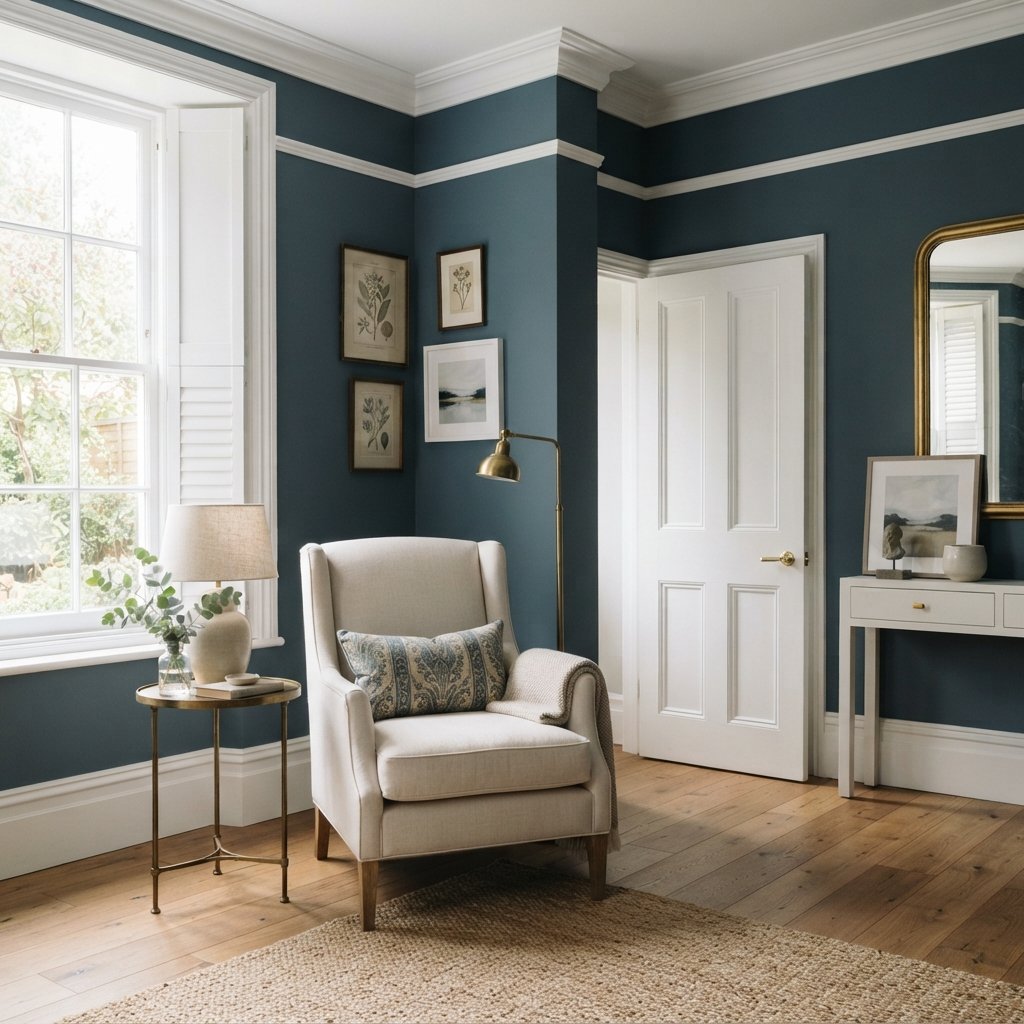
6. Benjamin Moore Decorator’s White OC-149
Decorator’s White is particularly useful when your walls lean cool.
Benjamin Moore specifically recommends Decorator’s White for trim alongside cooler colors, including greens, blues, violets, and cool grays.
Consider sampling it with:
- Blue-gray walls
- Cool gray
- Cool green
- Blue
- Violet-toned neutrals
Using a cool white with cool walls can create a more harmonious relationship than placing a creamy yellow-leaning white beside them.
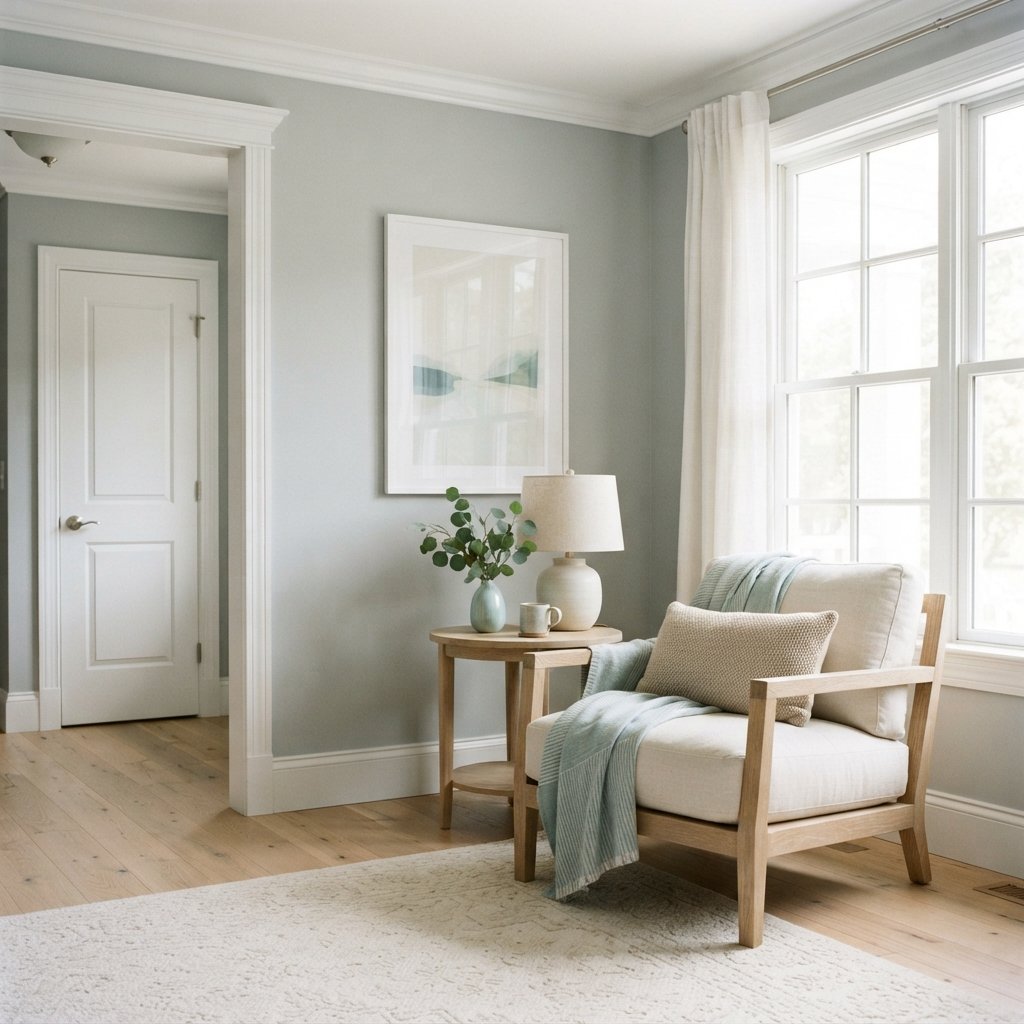
7. Sherwin-Williams Alabaster SW 7008
Alabaster is a warmer direction.
Sherwin-Williams includes Alabaster in its Timeless Whites collection and identifies it among its popular whites.
Sherwin-Williams’ undertone guidance also places Alabaster among its popular warm whites.
That makes it worth considering when the rest of your house includes warmer materials.
Try it near:
- Beige
- Warm greige
- Natural wood
- Cream
- Earthy colors
If you want extremely crisp contrast, Alabaster may not be the direction to start with. Its appeal is the softer relationship it can create.
8. Benjamin Moore Cloud White OC-130
Cloud White is another warm trim option.
Benjamin Moore specifically recommends Cloud White for trim next to warmer wall colors.
It can work particularly well when a stark white would look disconnected from the room.
Try it with:
- Warm beige
- Tan
- Warm taupe
- Traditional palettes
- Wood-heavy interiors
As with all warm whites, compare it directly with existing cream finishes.
Two warm whites can still have noticeably different undertones.
9. Sherwin-Williams Snowbound SW 7004
Snowbound is another white worth putting on your sample list.
Sherwin-Williams includes Snowbound in its Timeless Whites collection and categorizes it among its popular cool whites in its undertone guidance.
That makes Snowbound interesting when you want something different from warmer choices such as Alabaster or Greek Villa.
Sample it beside your actual wall color and flooring.
A cool white can look beautifully soft in one room and noticeably different in another because surrounding colors strongly affect how whites are perceived.
10. Benjamin Moore Super White OC-152
Super White is designed for the crisp end of the spectrum.
Benjamin Moore places Super White alongside Chantilly Lace among its “whitest white” colors, noting that both have little to no visible undertone. It also recommends Super White for bright, clean trim.
Consider it when you want strong definition around:
- Dark walls
- Architectural molding
- Windows
- Doors
- Paneling
It can be especially striking when the trim itself is an important architectural feature.
11. Sherwin-Williams Greek Villa SW 7551
Greek Villa offers a warmer approach.
Sherwin-Williams describes Greek Villa as a sunny white and specifically suggests using it on trim to make other colors pop. The company’s undertone guidance also places Greek Villa among its popular warm whites.
It can pair naturally with:
- Warm neutrals
- Earthy greens
- Wood
- Beige
- Organic textures
If your home feels warm and relaxed rather than crisp and cool, Greek Villa may be worth comparing with Alabaster and other warm whites.
12. Benjamin Moore Steam AF-15
Steam is useful if you want one versatile trim color throughout several rooms.
Benjamin Moore specifically includes Steam among its suggestions when choosing a single white trim color for an entire home.
Whole-house trim colors need to work with many environments:
- Bright rooms
- Dark hallways
- Different wall colors
- Different flooring
- Artificial light
For that reason, test a potential whole-house trim white in several rooms rather than judging it in only one location.
13. Sherwin-Williams High Reflective White SW 7757
High Reflective White is another Sherwin-Williams option for homeowners seeking a bright white direction.
Sherwin-Williams includes High Reflective White in its Timeless Whites collection. The company has also recommended it as a clean, crisp trim choice in its color guidance.
A bright trim white can create strong architectural contrast.
That can be beautiful around:
- Dark painted doors
- Saturated walls
- Wall molding
- Built-ins
However, compare it carefully against other permanent whites in the room.
14. Benjamin Moore White Heron OC-57
White Heron is another option for cooler wall palettes.
Benjamin Moore recommends White Heron, along with Decorator’s White, as a trim choice for cool wall colors.
That can make it worth sampling with:
- Cool green
- Blue
- Cool gray
- Violet-influenced neutrals
It may be useful when a warmer white looks too creamy beside the walls.
15. Benjamin Moore Cloud White or Simply White for Warm Interiors
Sometimes the most important choice is not between two individual colors—it is choosing the correct family of white.
For rooms dominated by warm finishes, Benjamin Moore’s current guidance points toward Cloud White and Simply White for trim beside warmer wall colors.
This is an important decorating principle.
If your room contains warm beige walls, golden wood, cream upholstery, and warm stone, an extremely cool trim white can make those materials look even warmer by comparison.
A softer white may create a more cohesive result.
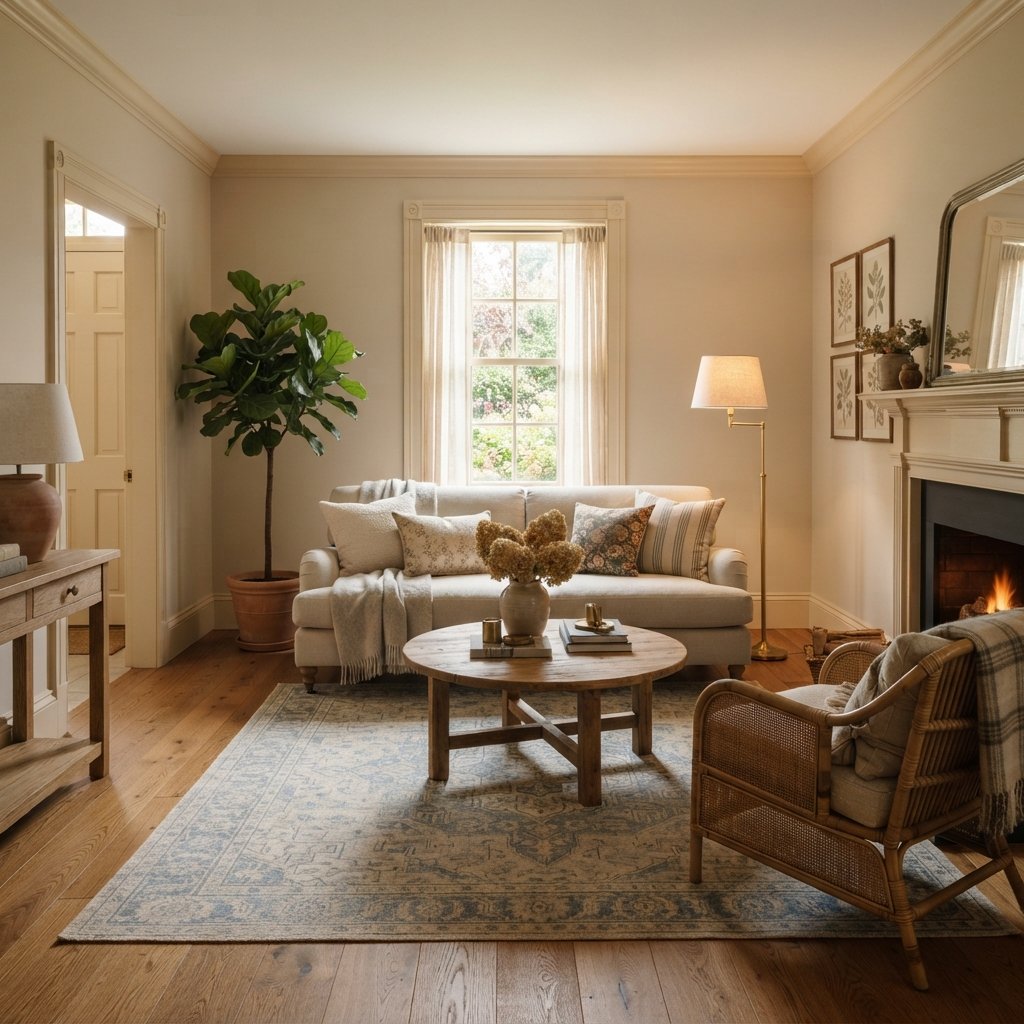
Warm White vs. Cool White for Trim
Understanding undertones makes choosing trim much easier.
Benjamin Moore explains that warm whites contain red, orange, or yellow influence, while cool whites lean toward green, blue, or violet.
Consider a Warmer White When You Have:
- Beige walls
- Warm greige
- Cream
- Warm stone
- Golden or warm wood
- Earthy colors
Consider a Cooler or Crisper White When You Have:
- Cool gray
- Blue
- Cool green
- Violet
- Black-and-white palettes
- Cooler stone
These are starting points, not rigid rules.
The actual combination in your room matters more than the category printed on a paint chart.
Best White Trim With White Walls
You do not always need two different whites.
One of the easiest approaches is using the same white on the walls and trim while changing the sheen.
Benjamin Moore specifically recommends this strategy as a way to highlight architectural detail while maintaining a cohesive all-white room.
For example, you could use the same white in:
- A lower-sheen wall finish
- A more durable trim finish
The subtle change in sheen creates enough definition without introducing competing undertones.
This can be particularly effective in:
- Small rooms
- Minimal interiors
- Open-concept spaces
- Rooms with extensive molding
Best White Trim With Gray Walls
First determine whether the gray is warm or cool.
A warm greige may coordinate more naturally with a softer white.
A distinctly blue or violet gray may work better with a cooler, crisper white.
Benjamin Moore specifically suggests Decorator’s White and White Heron for cool-toned walls.
Do not choose the trim white from the gray’s name alone.
Place samples together and look at them in the room.
Best White Trim With Beige Walls
Warm beige generally benefits from a softer white.
Consider sampling colors such as:
- Benjamin Moore White Dove
- Benjamin Moore Simply White
- Benjamin Moore Cloud White
- Sherwin-Williams Alabaster
- Sherwin-Williams Greek Villa
Benjamin Moore specifically recommends Cloud White and Simply White for trim next to warm colors such as beige and tan.
A very stark white can work if you intentionally want strong contrast, but it may make the beige look more yellow by comparison.
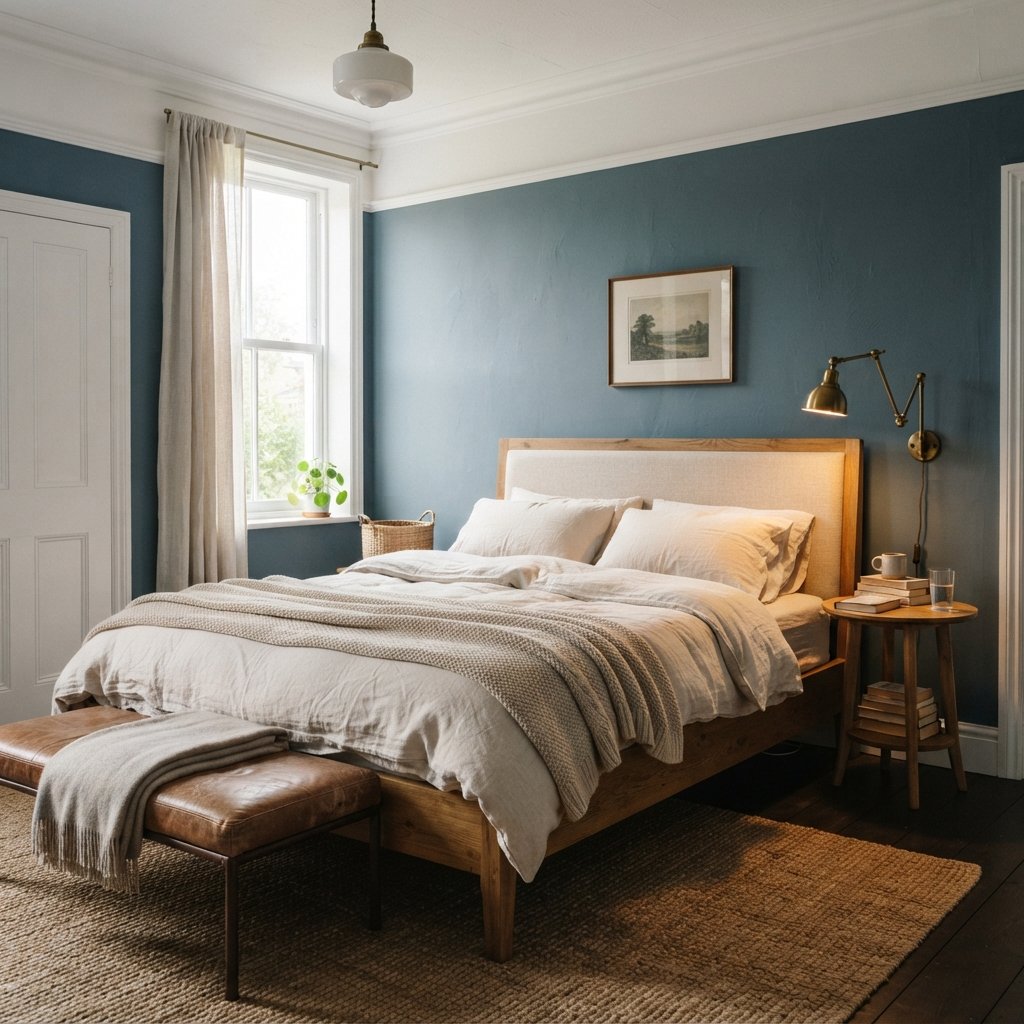
Best White Trim With Blue Walls
Blue usually looks beautiful against clean white trim.
Consider:
- Benjamin Moore Chantilly Lace
- Benjamin Moore Decorator’s White
- Benjamin Moore White Heron
- Benjamin Moore Super White
- Sherwin-Williams Extra White
Benjamin Moore’s official guidance specifically points toward Decorator’s White and White Heron for walls with cool undertones such as blue.
Best White Trim With Green Walls
Green varies enormously.
A muted olive may work beautifully with warm white trim.
A blue-green may look cleaner beside a cooler white.
For warm green, consider sampling:
- White Dove
- Simply White
- Greek Villa
- Alabaster
For cool green, compare:
- Decorator’s White
- White Heron
- Chantilly Lace
Again, test them together rather than treating “green” as one color category.
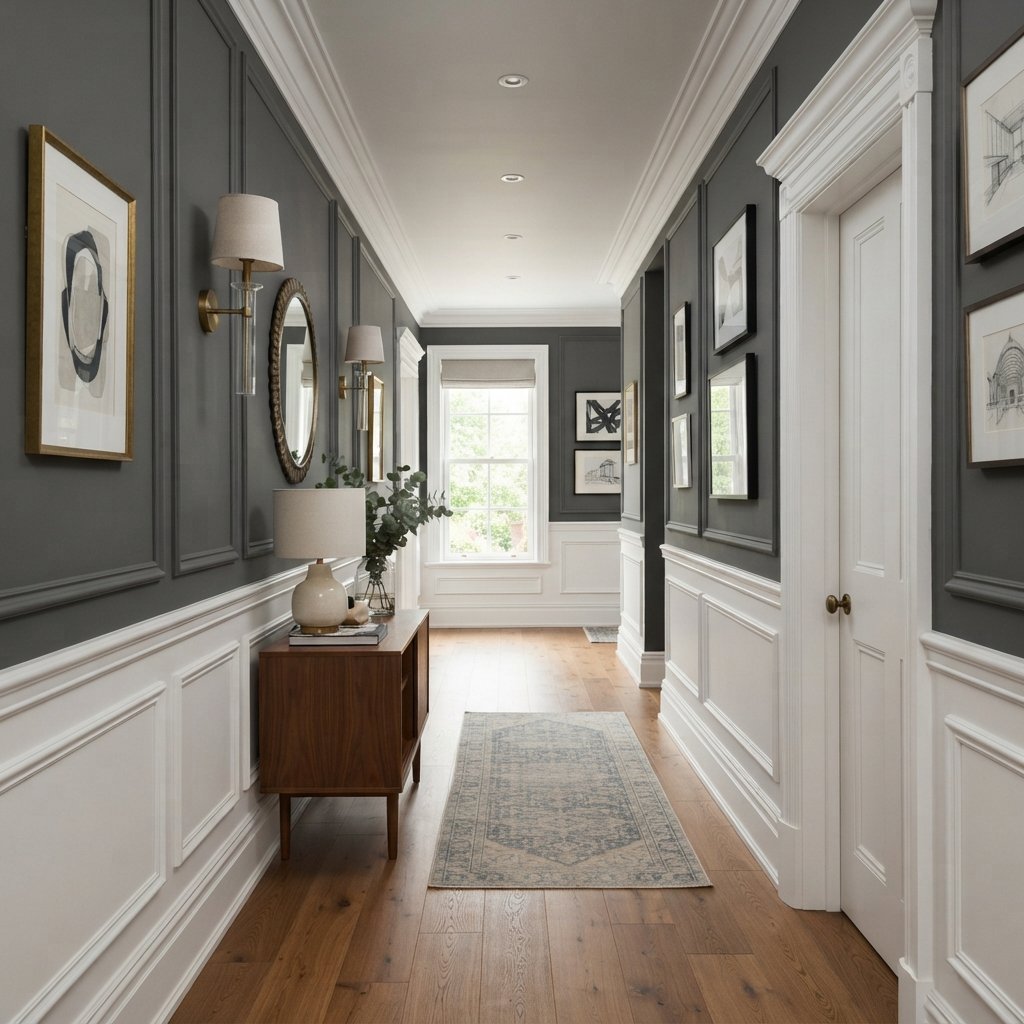
Best White Trim With Dark Walls
Dark walls create an opportunity for dramatic contrast.
Crisp whites such as Chantilly Lace or Super White can emphasize:
- Crown molding
- Door casings
- Baseboards
- Window trim
- Panel molding
Benjamin Moore specifically identifies both as crisp white choices.
If you want less contrast, use a softer white instead.
Should Doors and Trim Be the Same White?
They certainly can be.
Using one white on:
- Baseboards
- Door casings
- Interior doors
- Window trim
- Crown molding
creates continuity throughout the house.
You can also paint the doors a different color while keeping the trim white.
For example, warm white trim can look beautiful with:
- Black doors
- Charcoal doors
- Muted green doors
- Wood doors
The right approach depends on how much contrast you want.
Should Trim and Ceiling Be the Same White?
They can be.
Benjamin Moore notes that many homeowners like matching interior trim and ceiling colors because it creates a streamlined, cohesive look.
But matching is not mandatory.
If the ceiling white is significantly different from the trim, make sure the difference looks intentional rather than like two almost-matching whites.
What Paint Finish Is Best for Trim?
Color and finish are separate decisions.
Trim generally benefits from a durable, washable coating appropriate for doors, baseboards, and millwork.
The specific sheen you choose will influence how much the trim stands out.
A higher sheen reflects more light and emphasizes architectural detail, while a less reflective finish creates a quieter appearance.
Always check the recommendations for the specific paint product you are using because available finishes and application requirements vary.
How to Choose One White Trim Color for the Whole House
A whole-house trim white needs to coordinate with more than one room.
Before deciding, collect samples of:
- Main wall colors
- Cabinet colors
- Flooring
- Countertops
- Tile
- Fireplace materials
Then identify whether the home generally leans warm or cool.
Benjamin Moore specifically names Steam, Super White, and Chantilly Lace as versatile possibilities when using one white trim color throughout a home.
That does not mean one of those will automatically work in your house.
Test your finalists in several different rooms.
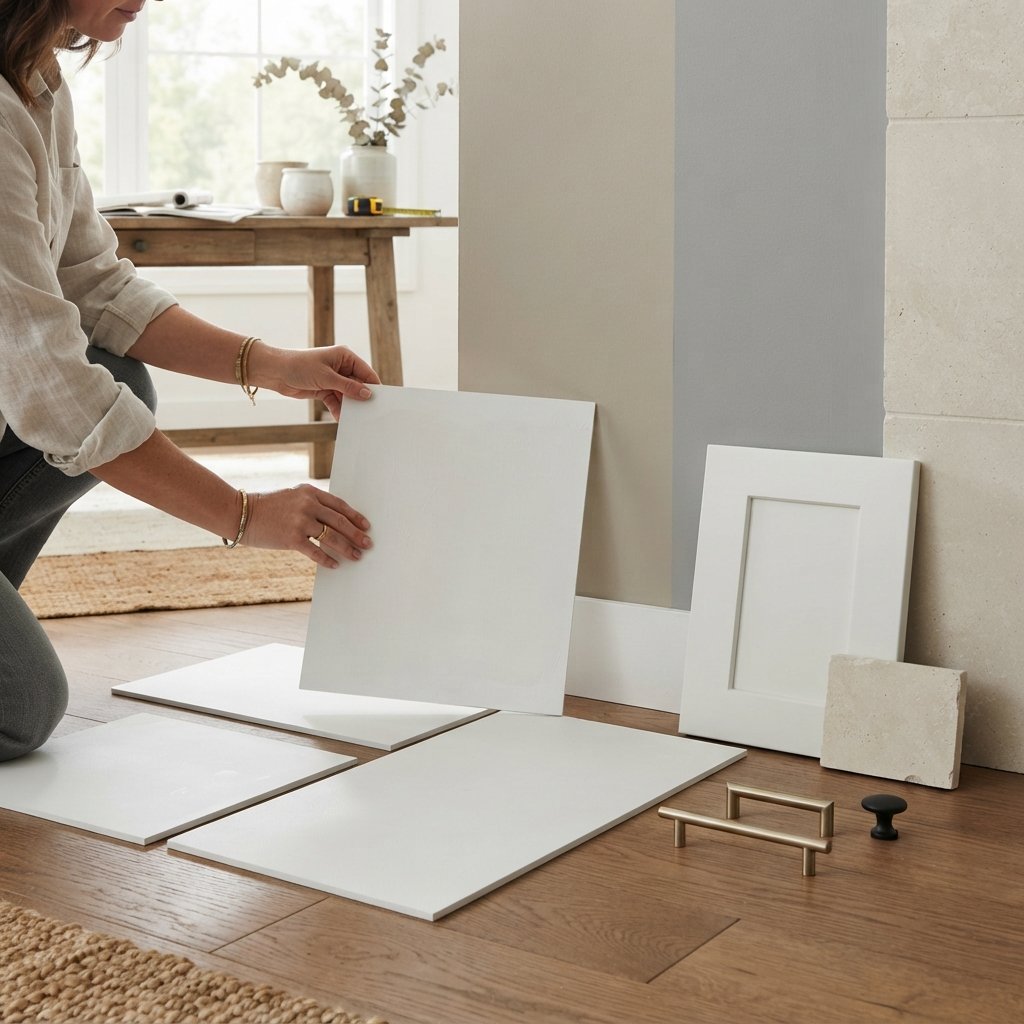
How Lighting Changes White Trim
White is highly responsive to lighting.
Benjamin Moore notes that white paint can change in appearance throughout the day and under natural versus artificial light, which is why sampling is so important.
A white may appear:
- Warmer in one room
- Cooler in another
- Brighter near a window
- Creamier at night
This is why copying a trim color from a photograph is unreliable.
Your lighting and surrounding materials are different.
How to Test White Paint for Trim
Narrow your options to a few candidates.
Then compare the whites directly with the wall color.
Look at them:
- Morning
- Midday
- Afternoon
- Evening
- Under artificial light
Also compare them against permanent whites.
That includes:
- Cabinets
- Tile
- Countertops
- Plumbing fixtures
- Window frames
Benjamin Moore recommends using samples before purchasing because lighting and surrounding colors influence the final appearance.
How to Make White Trim Look More Expensive
The paint color is only part of the result.
Prep the Surface Carefully
Repair dents, holes, and damaged caulk where appropriate.
Create Clean Lines
Messy edges can make even beautiful trim look unfinished.
Use a Suitable Trim Paint
Choose a coating intended for the durability and finish you need.
Keep the White Consistent
Using one carefully selected white throughout connected trim can create continuity.
Let Architectural Details Stand Out
White molding naturally frames walls and architectural openings. Sherwin-Williams notes that white molding can act as a silhouette without competing with furnishings.
Common White Trim Paint Mistakes
Choosing the Brightest White Automatically
Brighter is not always better.
Ignoring Wall Undertones
Warm walls and cool trim can exaggerate each other’s undertones.
Forgetting Existing White Cabinets
Your trim does not exist in isolation.
Testing Tiny Swatches Only
Larger samples make undertones easier to see.
Looking at Samples Only During the Day
Artificial lighting matters too.
Choosing From Online Photos
Screen colors are not reliable enough for a final paint decision.
Using Different Whites Accidentally
Almost-matching whites can look less intentional than clearly different ones.
Ignoring Surface Preparation
Paint cannot hide damaged or poorly prepared trim.
Tips for Painting White Trim
Before painting:
- Clean the trim appropriately.
- Repair dents and holes.
- Address failing caulk where needed.
- Sand surfaces when required for adhesion and smoothness.
- Remove dust.
- Prime when the substrate, stains, repairs, or previous coating require it.
- Apply the chosen trim paint according to manufacturer directions.
- Respect stated drying and recoating requirements.
Preparation can vary significantly depending on whether the trim is bare wood, previously painted, stained, glossy, damaged, or made from another material.
If you are working in an older home and existing coatings may contain hazardous materials, avoid aggressive sanding or disturbance until you have determined the appropriate safe procedure.
Use suitable ventilation and protective equipment during preparation and painting.
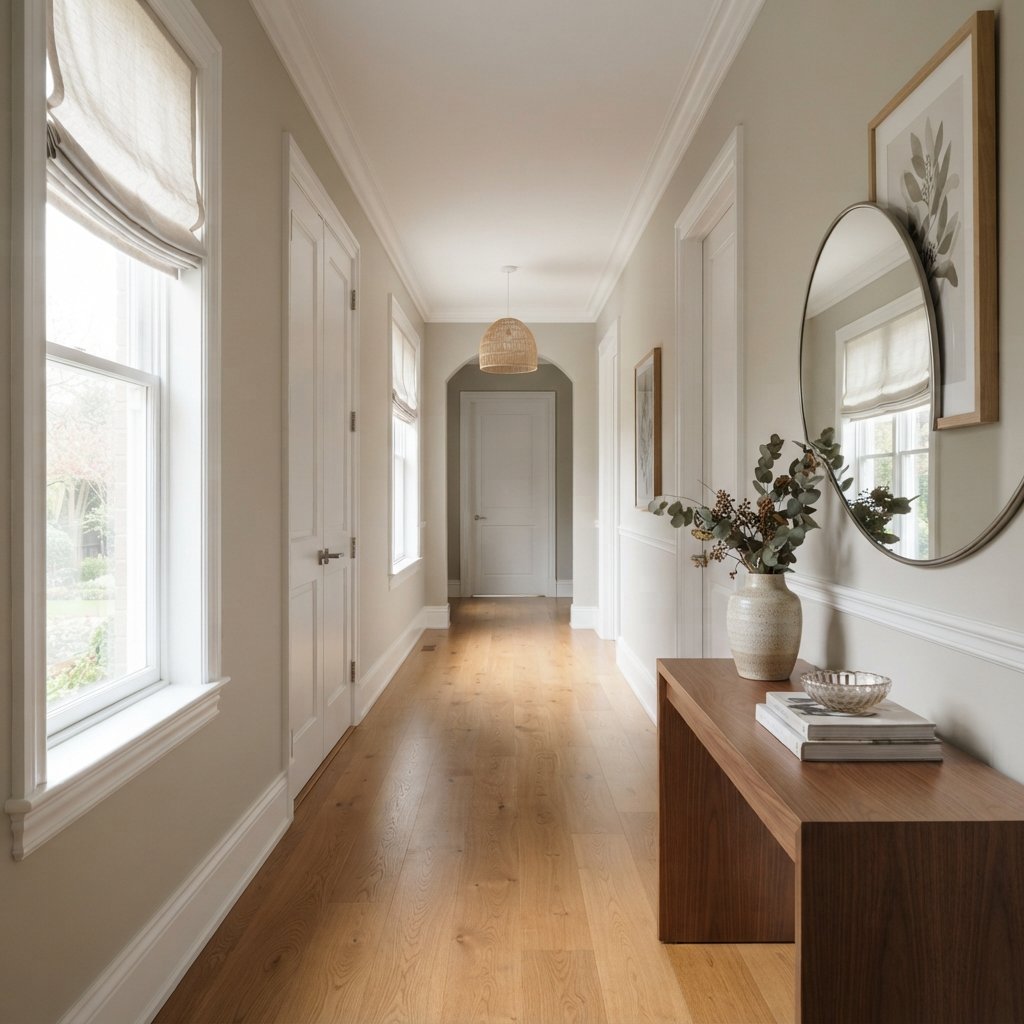
FAQ About the Best White Paint Colors for Trim
What is a good all-around white paint color for trim?
Benjamin Moore identifies White Dove as a versatile soft-white trim choice, while its whole-house trim suggestions include Steam, Super White, and Chantilly Lace. Sherwin-Williams also offers widely used options such as Pure White and Extra White within its Timeless Whites collection. The right choice still depends on your home’s undertones and lighting.
What is a good crisp white for trim?
Benjamin Moore specifically recommends Chantilly Lace OC-65 and Super White OC-152 when a bright, clean, crisp trim white is desired.
What white trim works with warm walls?
Benjamin Moore recommends Cloud White OC-130 and Simply White OC-117 alongside warmer colors such as beige, tan, yellow, orange, and red. Sherwin-Williams Alabaster and Greek Villa are also warm whites worth sampling.
What white trim works with cool gray walls?
Benjamin Moore recommends Decorator’s White OC-149 and White Heron OC-57 for cooler wall colors such as cool grays, blues, greens, and violets.
Can walls and trim be the same white?
Yes. Using the same white in different sheens can create a cohesive room while still emphasizing trim and architectural details.
Should all trim in the house be the same white?
It can be, and doing so often creates continuity. However, test the chosen white in rooms with different lighting and wall colors before committing throughout the house.
Should trim match white kitchen cabinets?
It does not have to match exactly, but the two whites should look intentional together. Compare trim samples directly against the cabinet finish before painting.
Do I really need to sample white paint?
Yes. Whites are particularly sensitive to surrounding colors and changing light. Benjamin Moore specifically recommends sampling and observing white options under different natural and artificial lighting conditions.
Final Thoughts
There is no single best white paint color for trim for every home.
The right white is the one that works with your wall colors, floors, cabinets, countertops, lighting, and overall decorating style.
For a softer trim look, Benjamin Moore White Dove is an excellent color to sample. For crisp contrast, Chantilly Lace and Super White are worth considering. Benjamin Moore recommends Decorator’s White and White Heron with cooler wall colors, while Cloud White and Simply White are specifically suggested with warmer palettes.
On the Sherwin-Williams side, Pure White, Extra White, Snowbound, Alabaster, and Greek Villa provide a useful range of white directions to compare. Sherwin-Williams classifies Alabaster and Greek Villa among its warm whites and Snowbound among its cool whites.
The most important step is sampling.
Place your trim-white options directly beside the wall color and permanent finishes. Look at them throughout the day and again after dark.
Once you find a white that works with the undertones already in your home, using it consistently on baseboards, doors, windows, crown molding, and other trim can help the entire interior feel more polished and connected.