

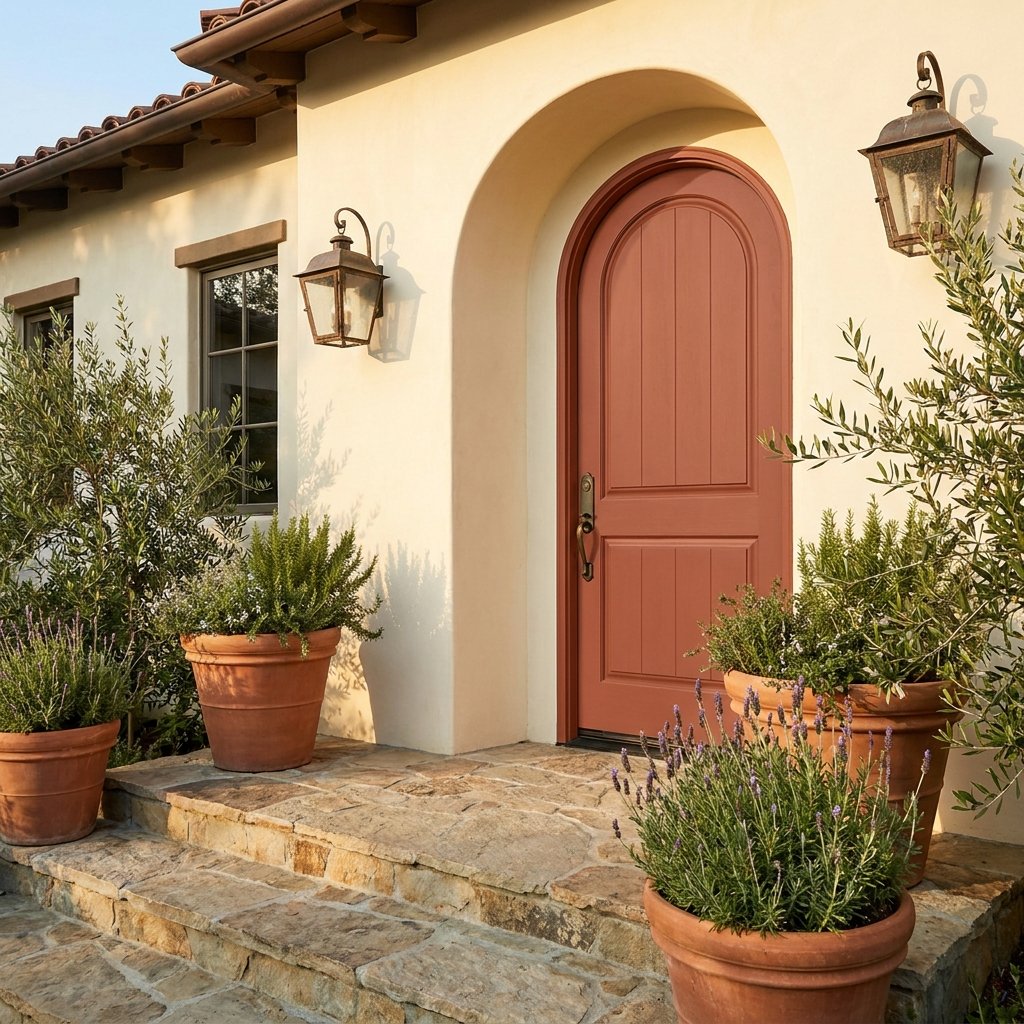
Your front door is one of the first things people notice about your home, so choosing the right color can completely change the look of your exterior. Whether you love classic neutrals, cheerful shades, sophisticated dark colors, or soft nature-inspired tones, the right front door paint color can add personality and curb appeal without requiring a major renovation.
The best part is that painting a front door is one of the easiest ways to refresh your home’s exterior. A relatively small amount of paint can create a surprisingly dramatic transformation.
But which color should you choose?
The answer depends on your home’s exterior color, architectural style, natural surroundings, and the mood you want to create. A dramatic black door can make a traditional home look elegant, while a soft sage green can give a cottage-style exterior a relaxed, welcoming feel.
To help you find the perfect shade, here are 25 of the best front door paint colors, ranging from timeless classics to beautiful modern choices.
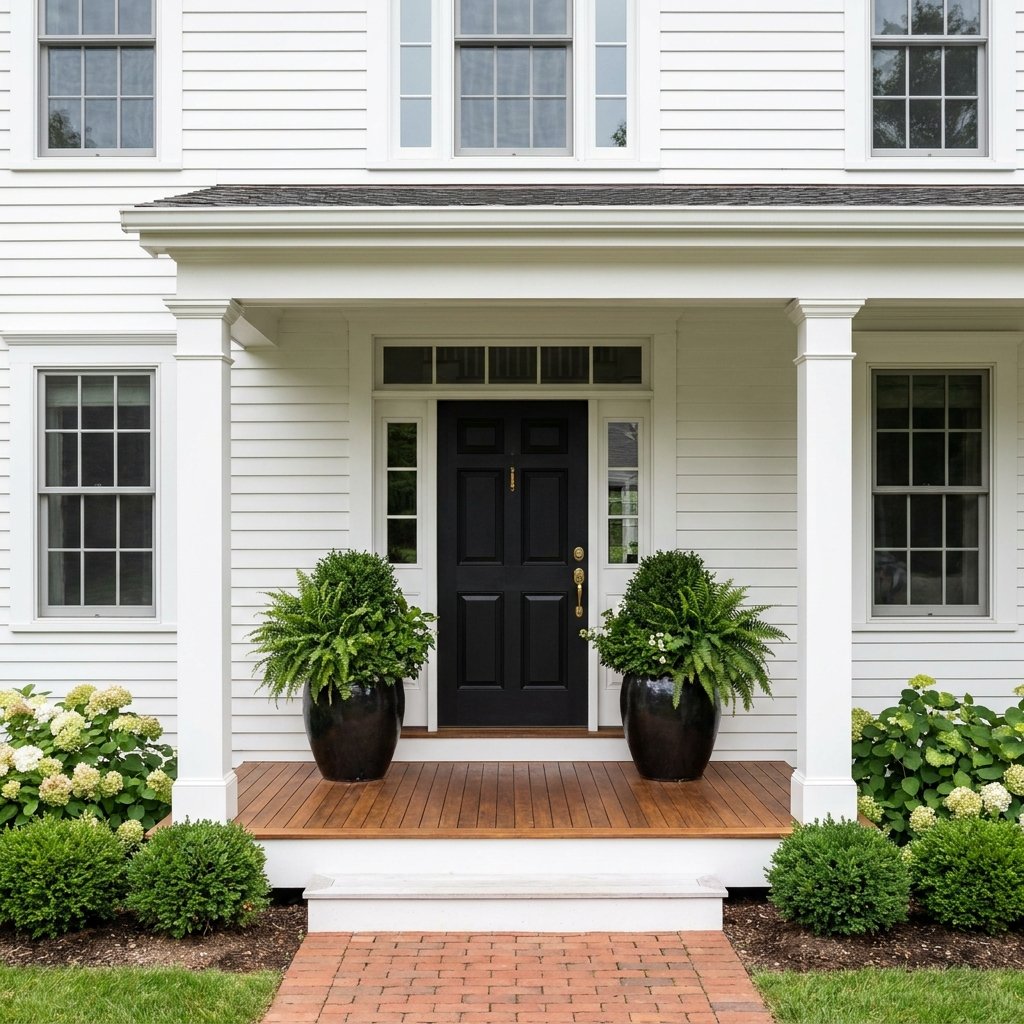
1. Classic Black
You can hardly go wrong with a classic black front door.
Black works beautifully with white siding, brick, stone, gray exteriors, and many other exterior color combinations. It creates a sophisticated contrast while giving your entryway a polished appearance.
For a traditional home, pair a black door with brass or gold hardware. For a modern exterior, matte black hardware can create a cleaner look.
Black is also an excellent choice if you want your front door to become a strong architectural focal point.
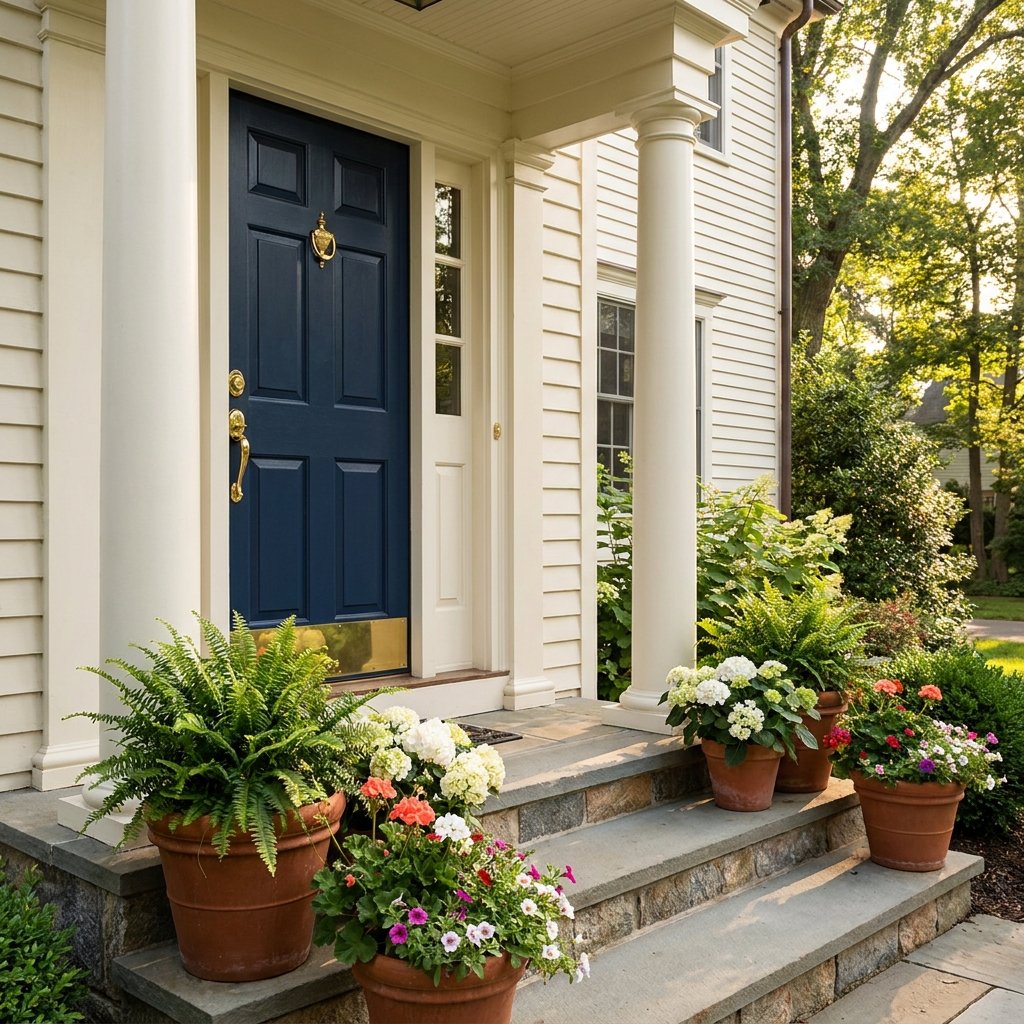
2. Navy Blue
Navy blue is one of the most versatile alternatives to black.
It has the same sophisticated feeling as a dark neutral but introduces a subtle hint of color.
A navy front door looks especially beautiful with white, cream, light gray, and natural stone exteriors.
If you want a door color that feels elegant without being too dramatic, navy is an excellent option.
3. Sage Green
Sage green has become a favorite for homeowners who want a softer, nature-inspired exterior.
This muted green works particularly well with natural materials such as stone, wood, and brick.
It also complements neutral exterior colors beautifully.
A sage green door can give your entryway a relaxed cottage or modern farmhouse feel without overwhelming the rest of the exterior.

4. Deep Forest Green
If you love green but want something more dramatic, consider a deep forest green.
This rich shade pairs especially well with traditional homes, red brick, cream siding, and natural stone.
It has an elegant yet earthy quality that works beautifully with landscaping.
Use warm brass or bronze hardware to emphasize the traditional character of the color.
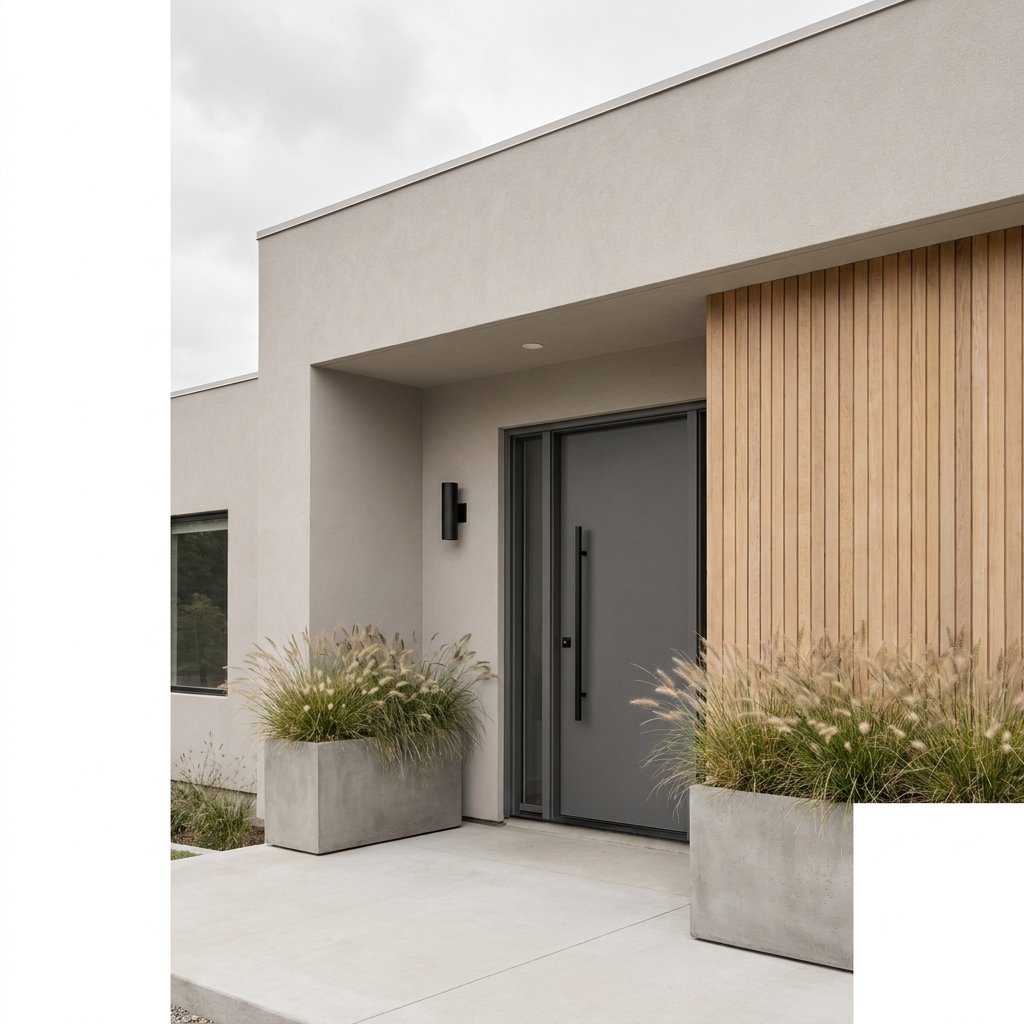
5. Charcoal Gray
Charcoal gray is a sophisticated choice for homeowners who want something darker than a traditional gray but softer than black.
It works beautifully with modern architecture and neutral exteriors.
Charcoal also pairs well with natural wood, white trim, and concrete.
If your home already has several architectural details, a charcoal door can create a strong focal point without competing with them.
6. Warm White
A white front door may sound simple, but it can look incredibly elegant.
Warm white is particularly useful when you want a soft, understated exterior.
Choose a creamy white rather than an extremely bright white if your home’s exterior uses warm beige, cream, tan, or natural wood tones.
A white door also allows decorative elements such as plants, wreaths, and colorful flowers to stand out.
7. Terracotta
Terracotta is an excellent option if you want something warmer and more distinctive.
Its earthy orange-red undertones work particularly well with Mediterranean, Southwestern, Spanish, and rustic homes.
Pair it with natural stone, stucco, wood, and plenty of greenery for a welcoming exterior inspired by warm climates.
8. Dusty Blue
For a softer alternative to navy, dusty blue creates a relaxed and welcoming entrance.
Its slightly muted appearance makes it easier to combine with neutral siding and traditional architecture.
Dusty blue works particularly well with white trim, pale gray siding, brick, and coastal-inspired landscaping.
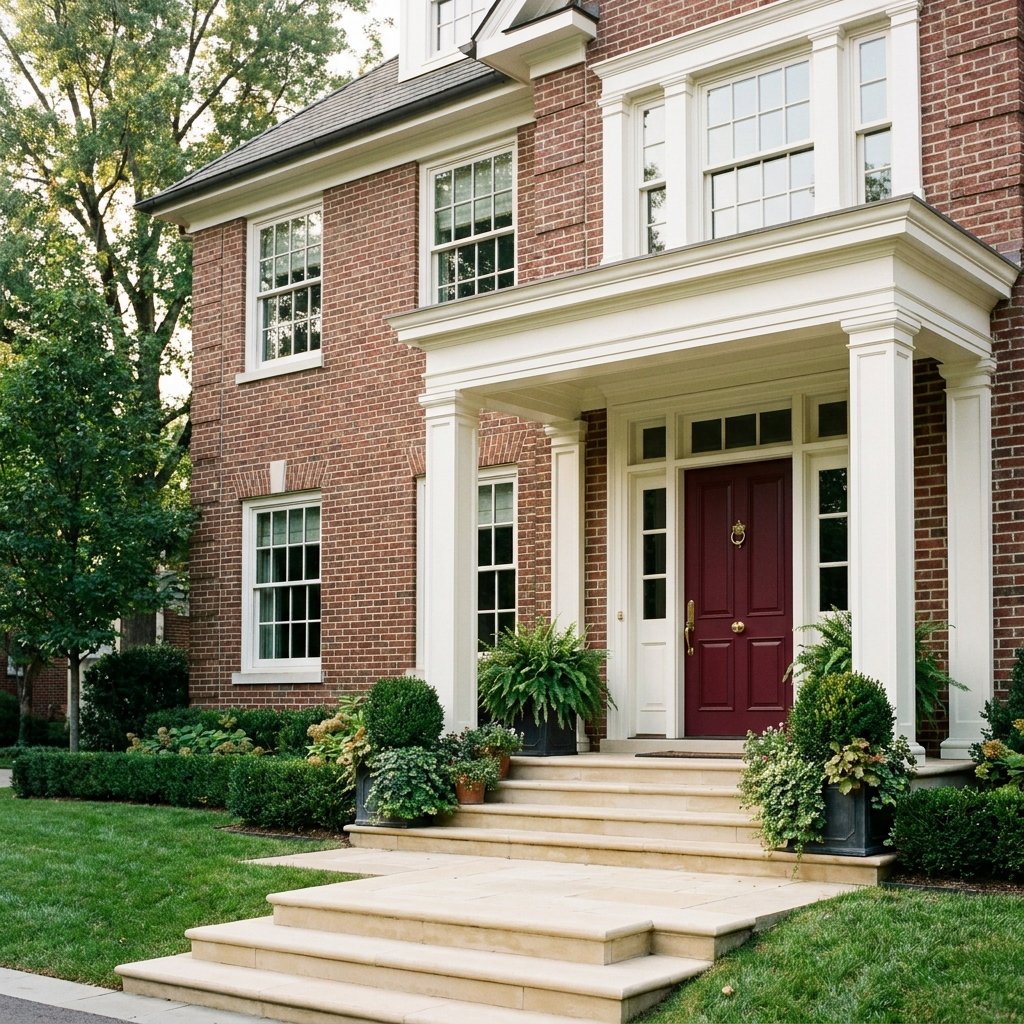
9. Burgundy
Burgundy is a rich and sophisticated choice that works beautifully with traditional architecture.
It looks particularly striking against cream siding, white trim, and brick.
If you want a front door that feels classic but more colorful than black or navy, burgundy is worth considering.
10. Olive Green
Olive green brings a natural, earthy feeling to an entryway.
Unlike brighter greens, olive has a muted quality that makes it surprisingly versatile.
It works especially well with beige, cream, tan, brown, and natural wood exteriors.
For a modern farmhouse look, combine an olive green door with black hardware and simple landscaping.
11. Teal
If you want a little more personality, teal can create a beautiful statement.
A muted or deep teal can work with white, gray, cream, and even certain brick exteriors.
It’s particularly effective if the rest of your exterior is relatively neutral.
Use simple hardware and understated landscaping so the door remains the focal point.
12. Soft Pink
Soft pink may not be the first color that comes to mind for a front door, but a muted blush or dusty pink can look incredibly charming.
It’s particularly well suited to cottage-style homes and houses with white or cream exteriors.
Avoid extremely bright pink if you want a sophisticated appearance. Dusty, muted shades tend to work better for exterior applications.

13. Mustard Yellow
A cheerful yellow front door can instantly make a home feel more welcoming.
Mustard yellow is especially appealing because it has more depth than a bright primary yellow.
It works well with brick, white siding, gray exteriors, and darker neutral colors.
Pair it with simple greenery to let the door’s color shine.
14. Light Gray
Light gray is perfect if you want a neutral door that still has some visual interest.
It works with almost any architectural style and can complement both warm and cool exterior colors.
Choose a warmer gray if your home has beige or cream undertones, and a cooler gray if the exterior uses crisp white or blue-gray tones.
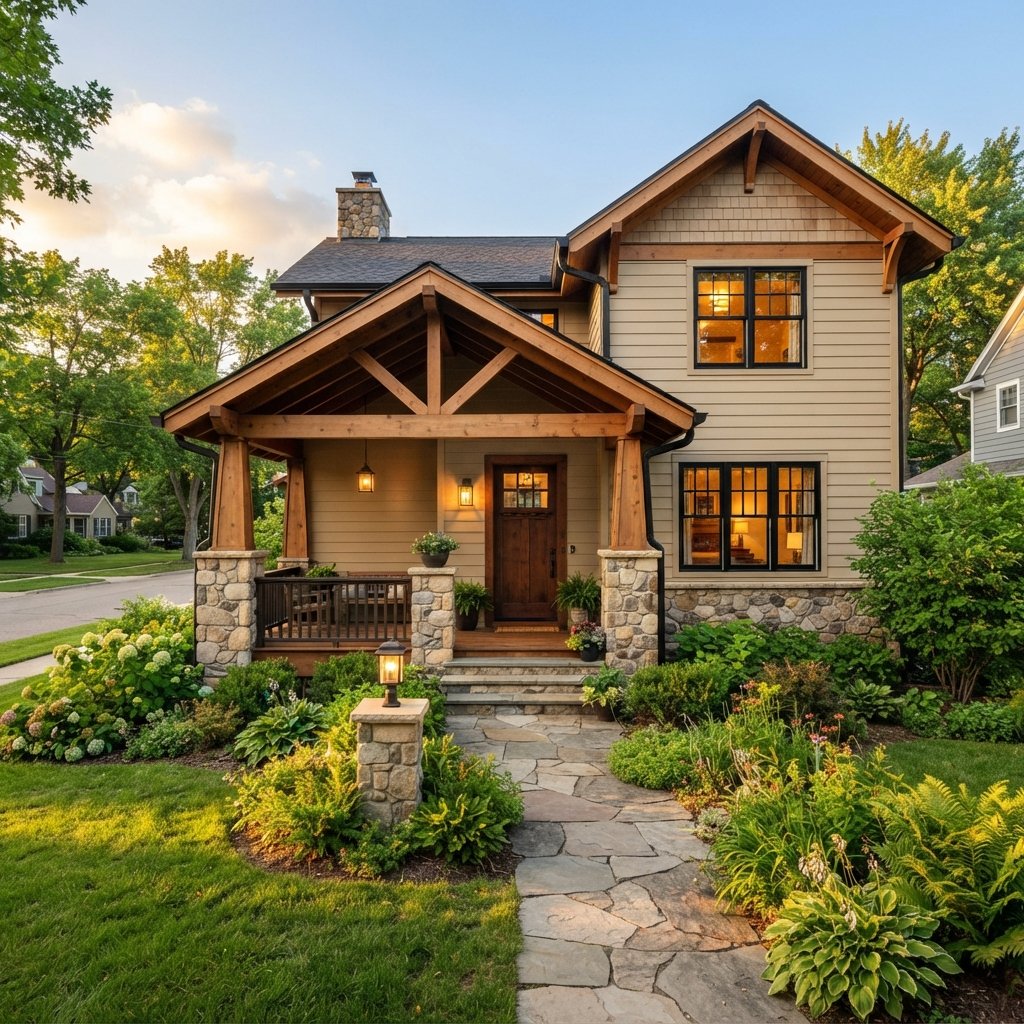
15. Espresso Brown
A deep espresso brown front door is a beautiful choice for homes with natural wood, stone, or earthy exterior colors.
It provides the richness of a dark color without the stark contrast of black.
Brown also works particularly well with warm metal hardware such as bronze and brass.
16. Coral
Coral can bring a playful and energetic touch to your entryway.
A muted coral works especially well with warm white, cream, light gray, and coastal-style exteriors.
It’s a good option if you want a noticeable pop of color without choosing an extremely bright shade.
17. Deep Plum
For something unusual and sophisticated, consider a deep plum or muted aubergine.
This color can look beautiful on traditional homes and pairs particularly well with cream, gray, and natural stone.
Because it’s relatively dark, it provides the dramatic effect of black while adding a subtle purple undertone.
18. Blue-Gray
Blue-gray is another excellent choice for homeowners who prefer subtle color.
It combines the calm feeling of blue with the neutrality of gray.
This makes it particularly easy to coordinate with white trim, stone, gray siding, and natural wood.
It’s a great choice for coastal, traditional, and transitional homes.
19. Cream
Cream creates a warm and welcoming entrance without the starkness that bright white can sometimes produce.
It’s particularly effective on homes with beige, tan, warm gray, or natural stone exteriors.
Add dark hardware for contrast or brass hardware for a warmer traditional appearance.
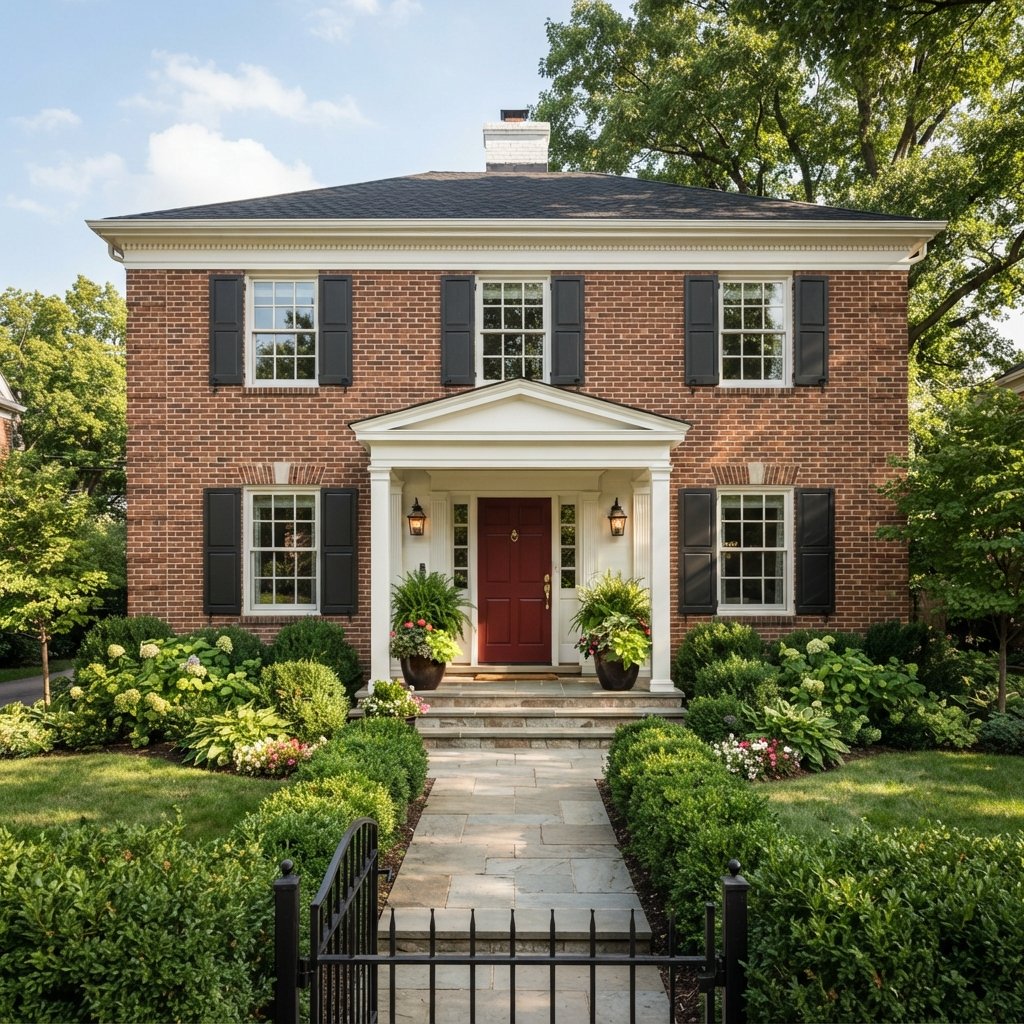
20. Bright Red
If you want a classic statement door, red is hard to beat.
A traditional red door can create an inviting entrance and works particularly well with white, cream, gray, and brick exteriors.
For a sophisticated look, consider a deep traditional red rather than an extremely bright shade.
[IMAGE 9 — Classic Red Front Door]
Image prompt:
Photorealistic classic American colonial home with a rich traditional red front door, crisp white trim, warm brick exterior, black lantern lights, symmetrical landscaping, green shrubs and potted plants, welcoming front porch, beautiful natural daylight, timeless curb appeal, realistic architectural photography, vertical 2:3 Pinterest image, no people, no text.
21. Black-Brown
If pure black feels too harsh, a black-brown shade can give you a softer alternative.
This color is particularly attractive on homes with warm wood, cream, beige, or stone exteriors.
It creates depth without looking overly modern.
22. Muted Blue
A muted medium blue is perfect for creating a welcoming coastal or cottage-inspired entrance.
Pair it with white trim, natural wood, woven outdoor accessories, and greenery.
For a more sophisticated look, choose a slightly grayish blue rather than a bright blue.
23. Warm Greige
Greige combines gray and beige to create a highly versatile neutral.
A greige front door works particularly well when you want something subtle that coordinates with a variety of exterior materials.
It’s especially useful for modern homes where you want a calm, cohesive palette.
24. Deep Teal
Deep teal gives you the drama of a dark door while adding much more personality than black.
It looks beautiful against cream or white exteriors and works particularly well with lush landscaping.
Bronze or brass hardware can make the color feel warmer and more sophisticated.
25. Natural Wood
Finally, you don’t necessarily need traditional paint at all.
A natural wood front door can add warmth, texture, and character to an exterior.
Depending on the architectural style, you could choose a light oak finish, warm walnut, or darker stained wood.
Natural wood works especially well with stone, white siding, stucco, and modern farmhouse exteriors.
How to Choose the Best Front Door Paint Color
With so many possibilities, choosing one color can feel overwhelming.
Start by looking at the colors that already exist around your home’s exterior.
Consider your siding color
Your door doesn’t have to match your siding exactly.
In fact, contrast often creates a more interesting entrance.
For example:
- White siding + black door
- Cream siding + navy door
- Gray siding + burgundy door
- Beige siding + forest green door
- Brick exterior + deep red door
Look at your roof
Your roof is a large visual element, so your door should complement it.
A dark roof can work beautifully with dark green, navy, black, or charcoal doors.
Warm brown roofing can pair nicely with burgundy, olive, terracotta, and espresso.
Consider your home’s architectural style
Certain colors naturally complement particular architectural styles.
Farmhouse: Sage green, black, navy, white
Traditional: Burgundy, black, navy, deep green
Cottage: Dusty blue, sage, muted pink, cream
Modern: Charcoal, black, deep teal, warm gray
Mediterranean: Terracotta, deep blue, warm brown
Craftsman: Forest green, espresso, burgundy, muted blue
Don’t Forget Your Front Door Hardware
Your paint color isn’t the only thing that affects the final appearance.
Hardware can completely change the character of your front door.
For a warm traditional look, consider brass or bronze.
For modern homes, matte black hardware can look fantastic.
Silver or nickel can work well with cool gray and blue color schemes.
Think about your lighting fixtures and house numbers as well. Keeping these finishes coordinated can make the entire entrance feel more intentional.
Should Your Front Door Match Your Garage Door?
Not necessarily.
In many cases, making the front door and garage door exactly the same color can cause the home’s exterior to feel overly uniform.
Instead, think of the front door as an opportunity to create a focal point.
If your garage door is a neutral color, your front door can be more expressive.
Final Thoughts
Choosing the right front door paint color is one of the easiest ways to transform your home’s exterior.
Whether you prefer timeless black, sophisticated navy, calming sage green, cheerful yellow, classic red, or warm natural wood, there is a shade that can complement your home’s architecture and personality.
Before committing to a color, look at it outdoors at different times of the day. Natural light can dramatically change how paint appears, and a color that looks perfect on a small sample may look completely different across an entire door.
It’s also a good idea to test a sample directly on the door or on a large piece of material before painting the entire surface.
Most importantly, don’t be afraid to choose a color that reflects your personal style. Your front door is a relatively small part of your home’s exterior, which makes it one of the easiest places to experiment.
A fresh coat of paint can give your entrance an entirely new personality—and sometimes that’s all your home needs to feel refreshed and welcoming.