

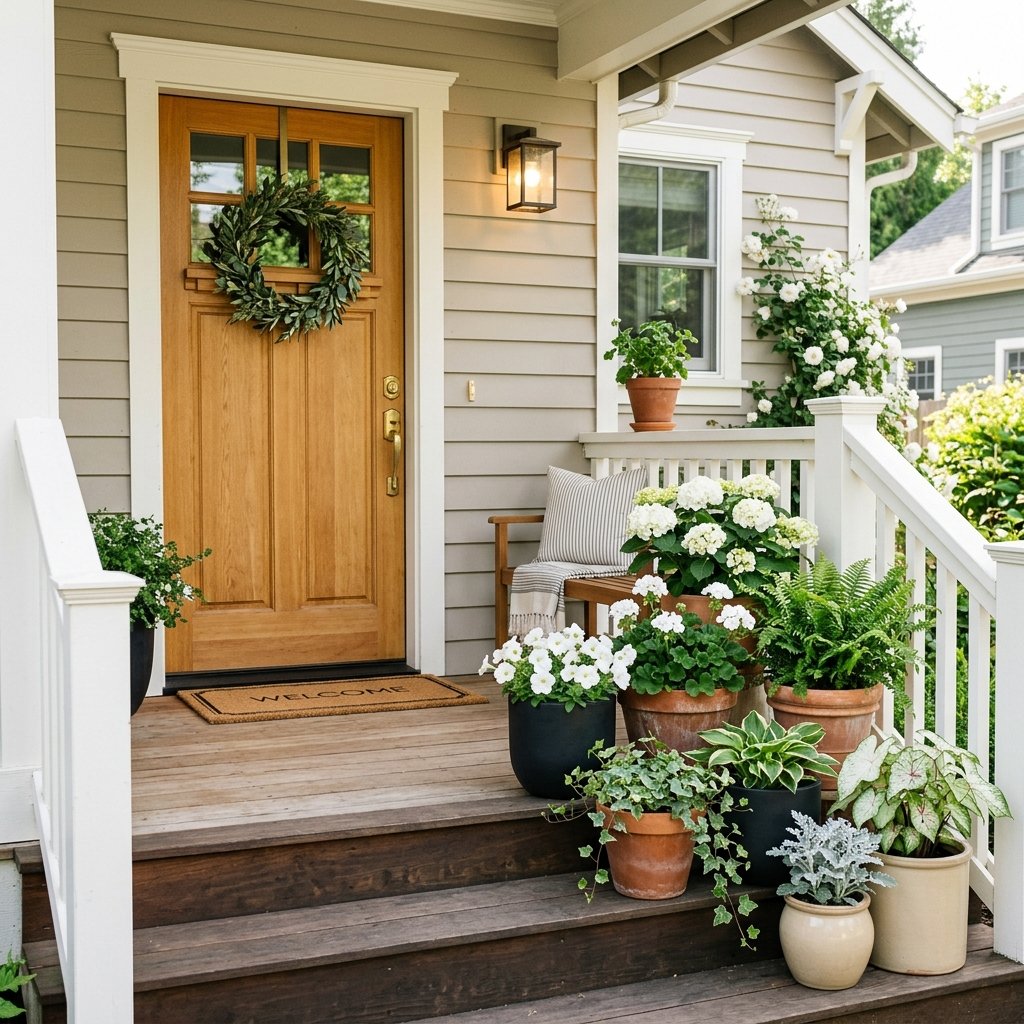
Outdoor planters are one of the easiest ways to make a porch, patio, deck, balcony, or entryway feel more finished.
The problem is that large outdoor pots can get expensive quickly, especially when you need several.
The good news is that you do not need a collection of high-end containers to create a polished outdoor space. Some of the best affordable outdoor planters are simple, lightweight, secondhand, repurposed, or improved with a little paint and styling.
The key is choosing planters that:
- Suit the size of the plant
- Work with your outdoor conditions
- Have adequate drainage
- Are stable in wind
- Coordinate with one another
A few inexpensive planters can look surprisingly high-end when they are grouped thoughtfully and filled with healthy plants.
Here are 17 affordable outdoor planter ideas to help you create beautiful outdoor spaces without overspending.
1. Use Classic Terracotta Pots
Terracotta is one of the easiest ways to get a timeless look without spending a lot.
Simple clay pots work with:
- Traditional homes
- Mediterranean-style spaces
- Cottage gardens
- Farmhouse patios
- Casual balconies
You can use one large pot or combine several smaller sizes.
Terracotta develops character as it ages, so it does not need to look perfectly new.
Keep in mind that porous clay can dry out faster than less porous materials, so plants may need more frequent moisture checks in hot or windy weather.
2. Choose Lightweight Resin Planters
Resin and molded plastic planters can imitate:
- Stone
- Concrete
- Ceramic
- Metal
They are often much lighter and easier to move than the materials they mimic.
This makes them useful for:
- Decks
- Balconies
- Rental homes
- Seasonal decorating
Look for simple shapes and restrained finishes if you want an expensive-looking result.
Matte black, warm gray, cream, and muted brown are especially versatile.
3. Buy Simple Nursery Pots and Use Cachepots
You do not always need to repot every plant immediately.
A basic nursery pot can sit inside a more decorative outer container, sometimes called a cachepot.
This approach can make seasonal plant swaps easier.
Just make sure excess water can drain properly and does not remain trapped around the roots.
If the decorative container has no drainage, remove the inner pot for watering or manage drainage carefully.
4. Shop Secondhand for Large Planters
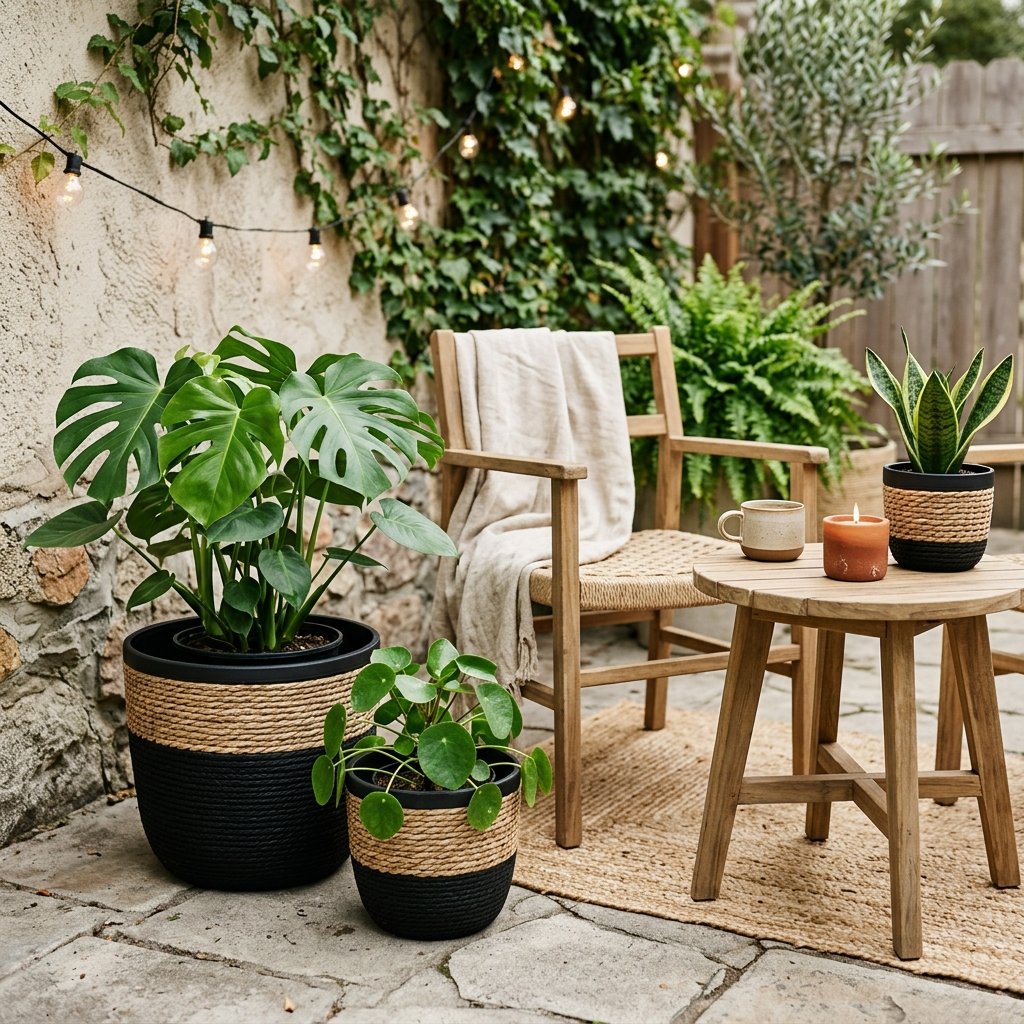
Large containers are often much cheaper secondhand.
Look at:
- Thrift stores
- Estate sales
- Garage sales
- Community resale listings
Do not worry too much about outdated colors if the planter is structurally sound.
A dated finish may be easy to clean up or repaint, depending on the material.
Inspect used containers for:
- Cracks
- Drainage
- Structural damage
- Sharp edges
Clean them thoroughly before adding new plants.
5. Paint Old Planters
If you already own planters that no longer fit your style, update them rather than replacing them.
Possible colors include:
- Matte black
- Charcoal
- Warm white
- Olive
- Taupe
Use a coating appropriate for the actual planter material and outdoor exposure.
Plastic, metal, terracotta, and fiberglass may require different surface preparation.
Follow the coating manufacturer’s cleaning, priming, drying, and curing instructions.
6. Use Galvanized Metal Containers
Galvanized containers can work well in rustic, farmhouse, and casual outdoor spaces.
Use them for:
- Herbs
- Flowers
- Decorative greenery
Make sure the container has suitable drainage and is appropriate for the plants you intend to grow.
If using a repurposed container, check for sharp edges and unknown residues.
For edible plants, use containers and finishes that are appropriate for food-growing applications.
7. Group Small Pots Instead of Buying One Huge Planter
Large planters can be expensive.
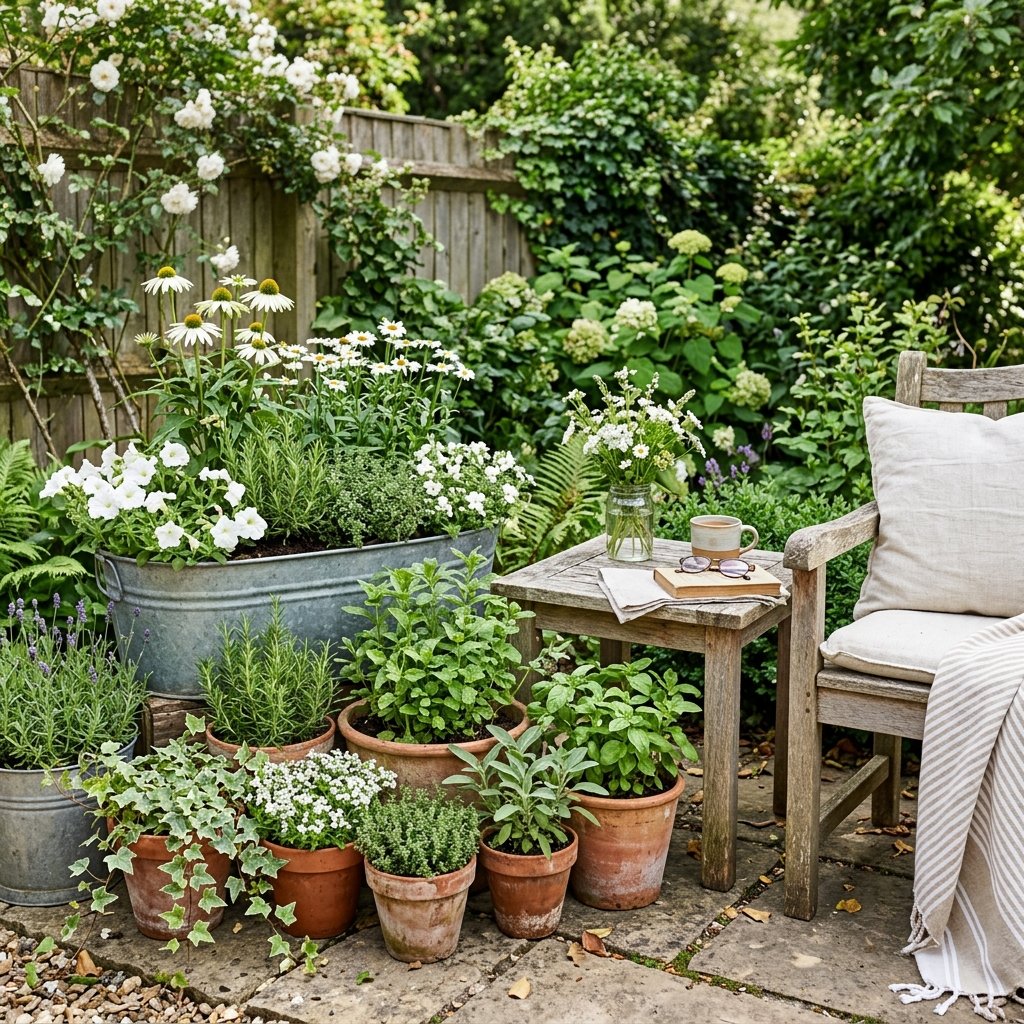
A collection of smaller pots can create similar visual impact.
Try grouping:
- Three pots of different heights
- Several terracotta pots
- Matching black containers
- Mixed neutral planters
Keep at least one element consistent.
That might be:
- Color
- Material
- Plant type
This prevents the arrangement from looking random.
8. Use Inexpensive Plastic Pots in One Color
Basic plastic pots can look much more polished when they all share the same color.
For example, group several simple black planters together.
The repetition makes them feel intentional.
You can vary the:
- Height
- Shape
- Plant
while keeping the finish consistent.
This is one of the simplest tricks for creating a coordinated look on a budget.
9. Repurpose Wooden Crates
Wooden crates can become charming planters or outer containers.
Use them on:
- Porches
- Patios
- Garden steps
If planting directly into wood, consider moisture, drainage, and the durability of the wood.
A simpler option is to place a plastic nursery container inside the crate.
This helps protect the wood and makes plants easier to remove.
10. Build Simple Wood Planter Boxes
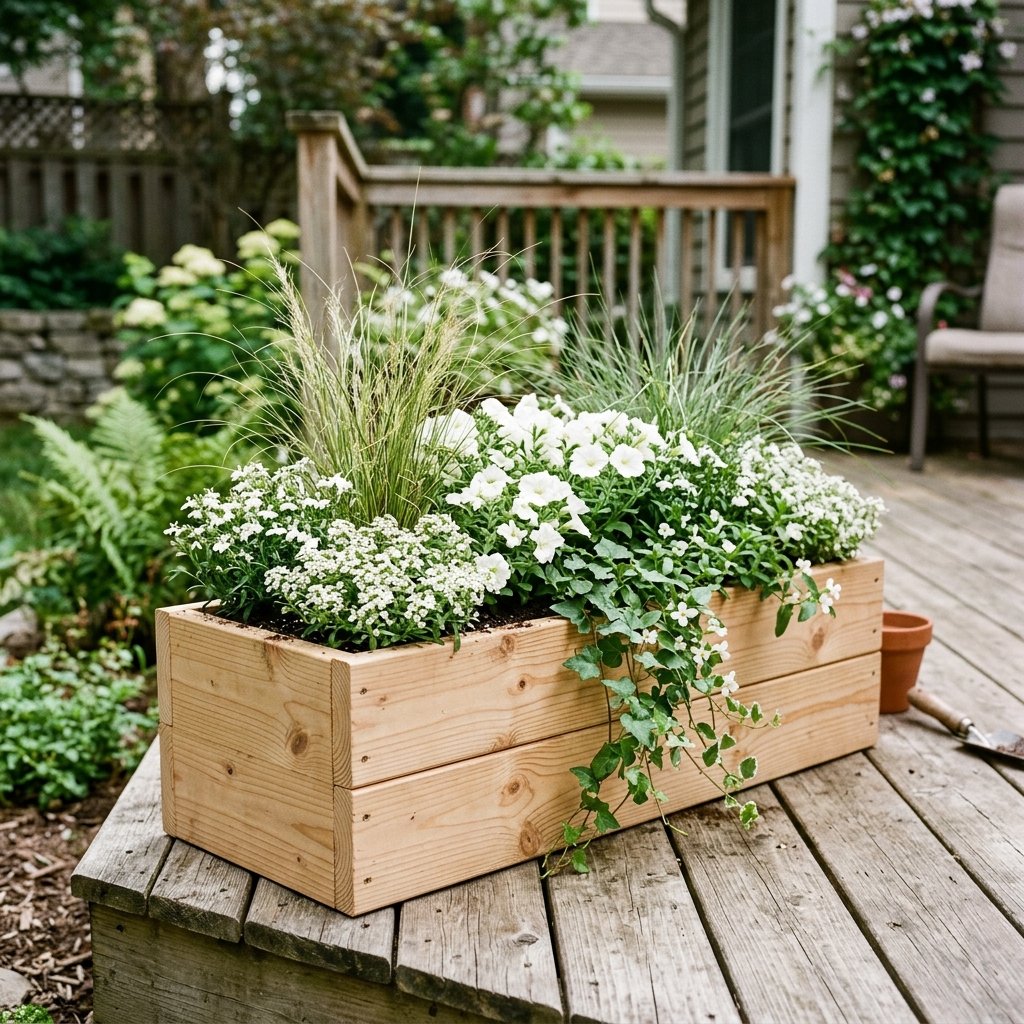
If you enjoy basic DIY projects, a rectangular wood planter can be an affordable alternative to buying a large decorative container.
A simple design usually requires:
- Exterior-suitable lumber
- Exterior-rated fasteners
- Drainage
- Appropriate finish if desired
Plan for wet soil weight before choosing dimensions.
For a deep decorative planter, you may be able to use an internal nursery pot rather than filling the entire box with soil, depending on the plants and design.
11. Use Grow Bags in Casual Garden Areas
Fabric grow bags are practical for:
- Vegetables
- Herbs
- Temporary gardens
- Patios
They are not always the most decorative option, but they can be inexpensive and easy to store.
You can group them behind a more decorative foreground planter or use them in a dedicated edible garden zone.
Because fabric containers can dry out quickly, check moisture regularly.
12. Look for End-of-Season Clearance
Garden centers often reduce seasonal containers later in the growing season.
This can be a good time to buy planters for the following year.
Focus on simple shapes rather than highly seasonal designs.
A neutral planter can be reused for:
- Spring flowers
- Summer greenery
- Fall displays
- Winter arrangements
Buying reusable styles stretches your budget further.
13. Use Buckets Carefully
Certain buckets can be repurposed into casual planters.
They can work well for:
- Herbs
- Vegetables
- Utility garden areas
If you repurpose one, make sure it is clean, structurally sound, and appropriate for the intended use.
Add drainage where suitable.
Avoid containers that previously held unknown or unsafe chemicals.
For edible plants, use food-safe or otherwise appropriate containers.
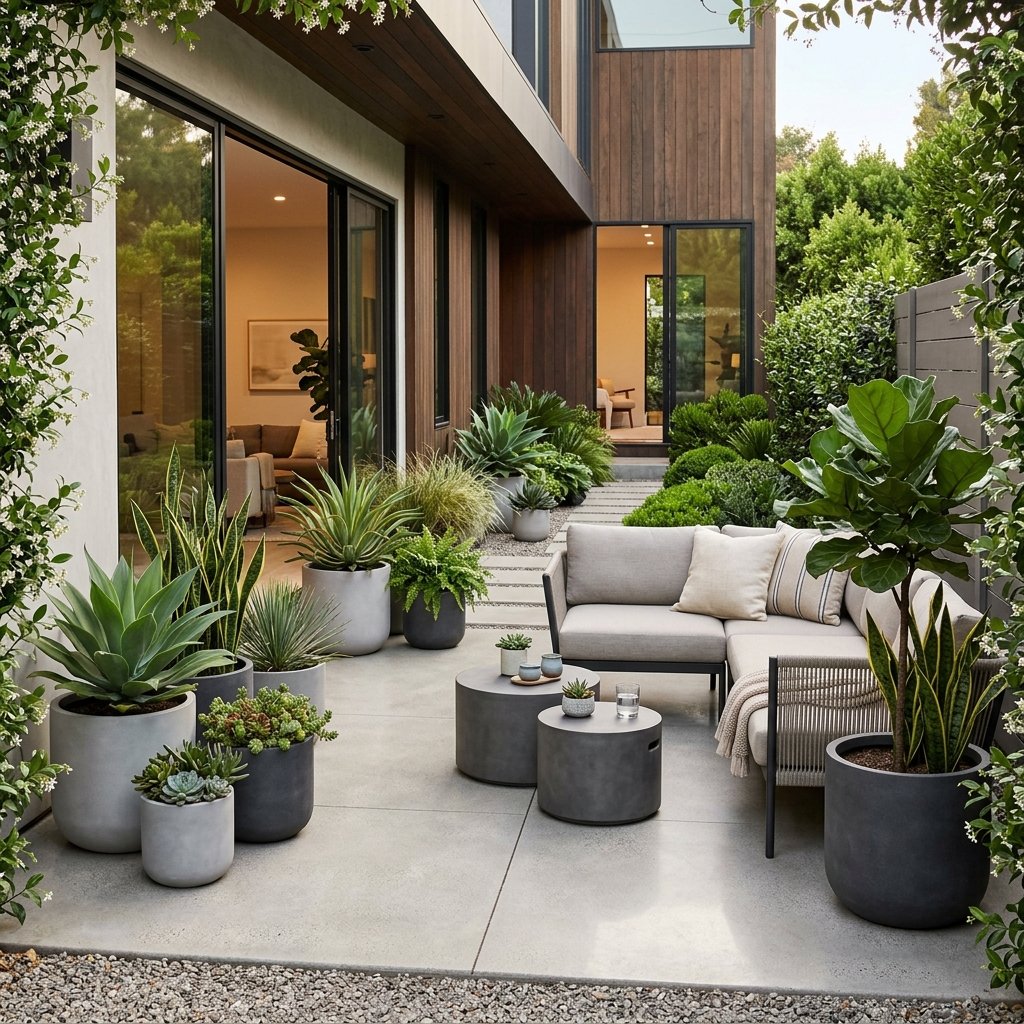
14. Create a Faux Concrete Look
Concrete planters are beautiful but can be heavy and expensive.
You can create a similar visual effect by choosing lightweight planters with a stone or concrete-look finish.
Another option is refinishing an existing suitable planter with an outdoor coating designed for that surface.
The goal is the texture and color, not actual concrete.
This works especially well in:
- Modern patios
- Contemporary porches
- Minimalist entryways
15. Use Baskets as Decorative Outer Planters
Woven baskets can add texture outdoors in covered areas.
Place a nursery pot inside rather than planting directly into the basket.
This protects the basket and allows for easier watering.
Use them where they will be protected from excessive rain unless the basket is specifically intended for outdoor exposure.
This can be a great option for covered porches.
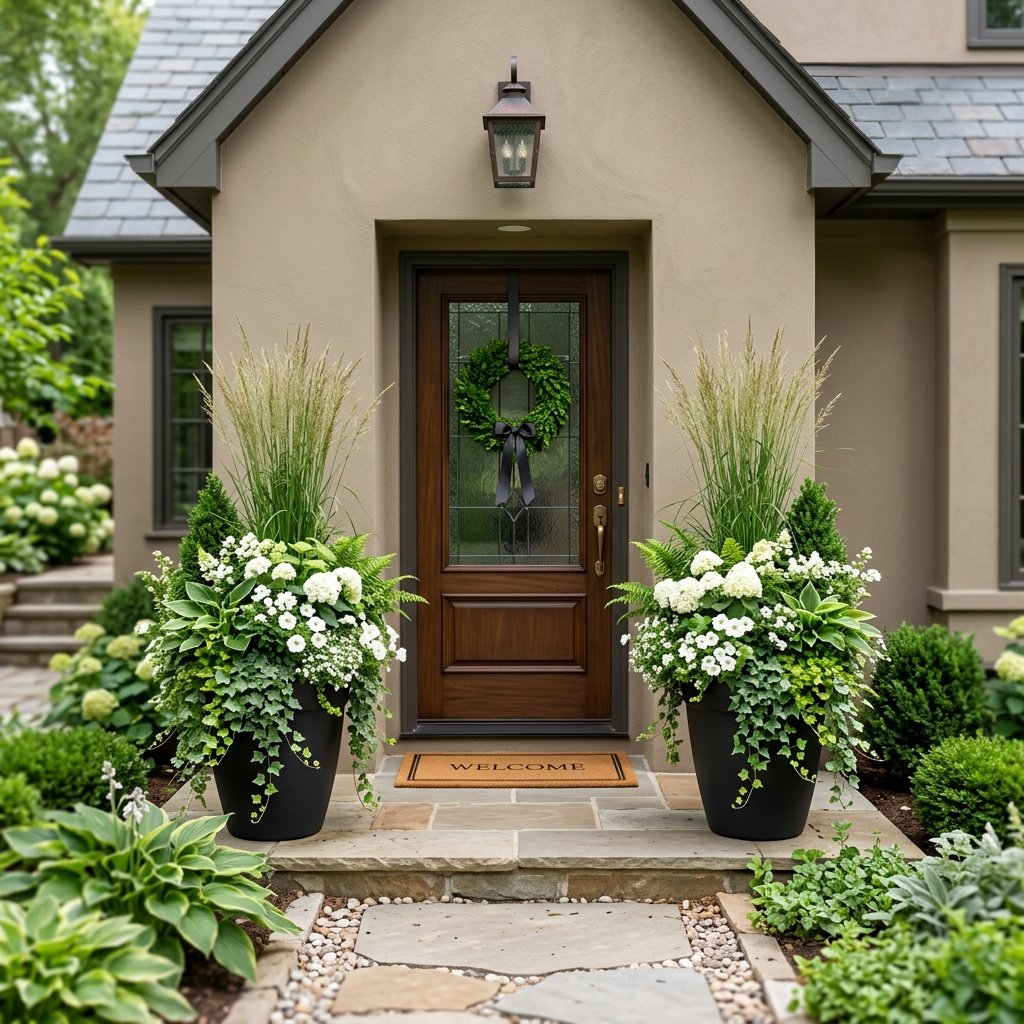
16. Repeat the Same Affordable Planter
You do not need every pot to be unique.
Sometimes repeating one inexpensive planter creates a much stronger design.
Use matching containers:
- On both sides of a door
- Along a deck railing
- Down a set of steps
- Around a patio edge
Repetition can make budget planters look more custom.
17. Make Cheap Planters Look Better With Better Planting
The plants themselves can elevate the container.
Use a layered combination of:
- Upright plants
- Mounding plants
- Trailing plants
Or keep it simple with one strong plant.
Examples include:
- Ornamental grass
- Fern
- Small shrub
- Herb
- Flowering annual
A healthy, well-proportioned plant can make even a basic plastic pot look attractive.
How to Make Cheap Outdoor Planters Look Expensive
You do not need expensive containers.
Focus on styling.
Stick to a Limited Color Palette
Choose two or three planter finishes.
For example:
- Black
- Terracotta
- Natural wood
or:
- Cream
- Warm gray
- Woven texture
Use Repetition
Matching pots create order.
Vary Heights
Combine low, medium, and taller planters.
Choose Fuller Plants
A generously planted container looks more finished.
Keep the Area Around Them Clean
A beautiful planter loses impact if the surrounding space is cluttered.
Best Affordable Planter Colors
Black
Clean, modern, and easy to coordinate.
Terracotta
Warm and timeless.
Cream
Soft and bright.
Gray
Good for contemporary spaces.
Olive
Works beautifully with greenery.
Brown
Blends naturally with wood and landscaping.
Neutral containers usually offer the most flexibility because the plants can provide the color.
Affordable Planters for a Front Porch
A porch usually looks best with fewer, larger groupings rather than many tiny pots.
Try:
- One planter on each side of the door
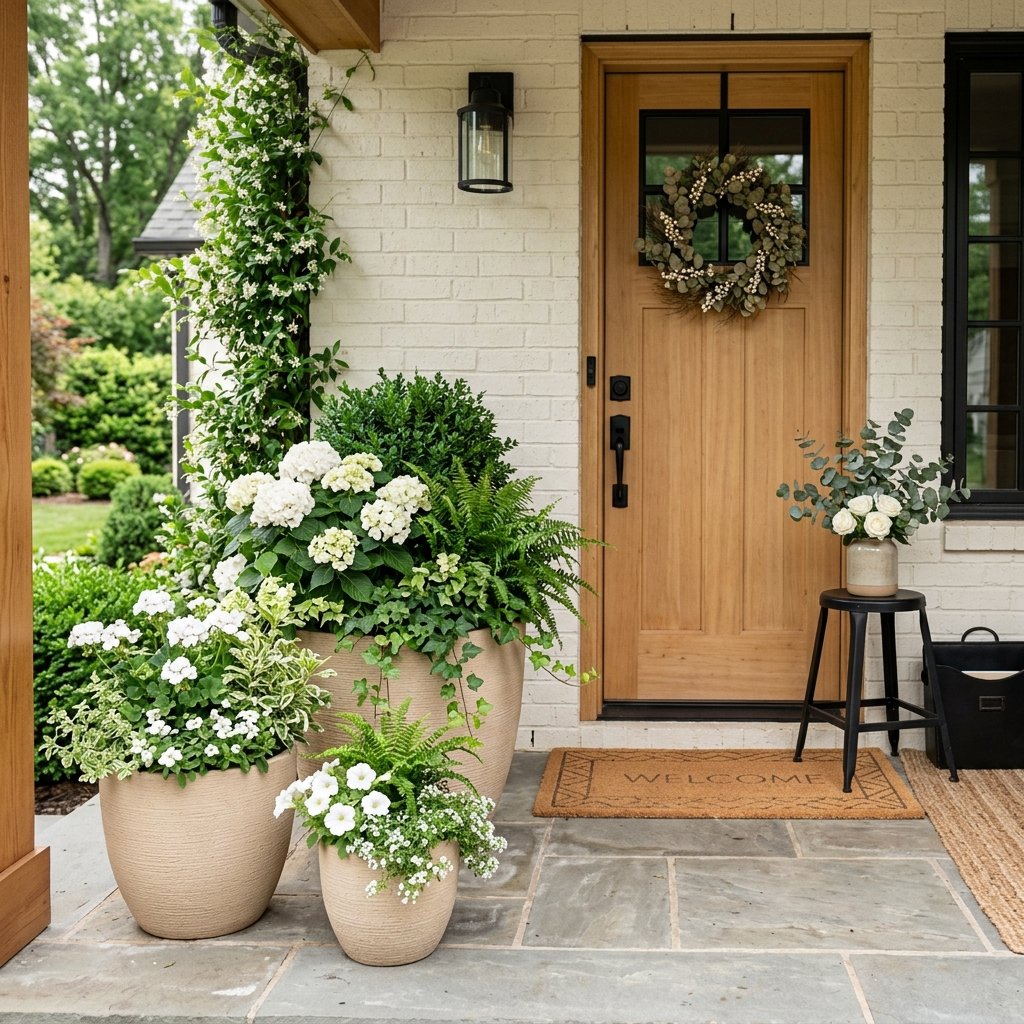
- Three pots in one corner
- A tall planter plus a smaller companion pot
Repeat a color already present on the exterior.
For example, if your home has black lanterns, black planters can help tie the porch together.
Affordable Planters for a Patio
Patios often need planters to soften hard surfaces.
Use them to define:
- Seating areas
- Dining areas
- Corners
- Walkways
Try mixing one or two larger containers with several smaller ones.
Do not put so many pots around the perimeter that the patio becomes difficult to use.
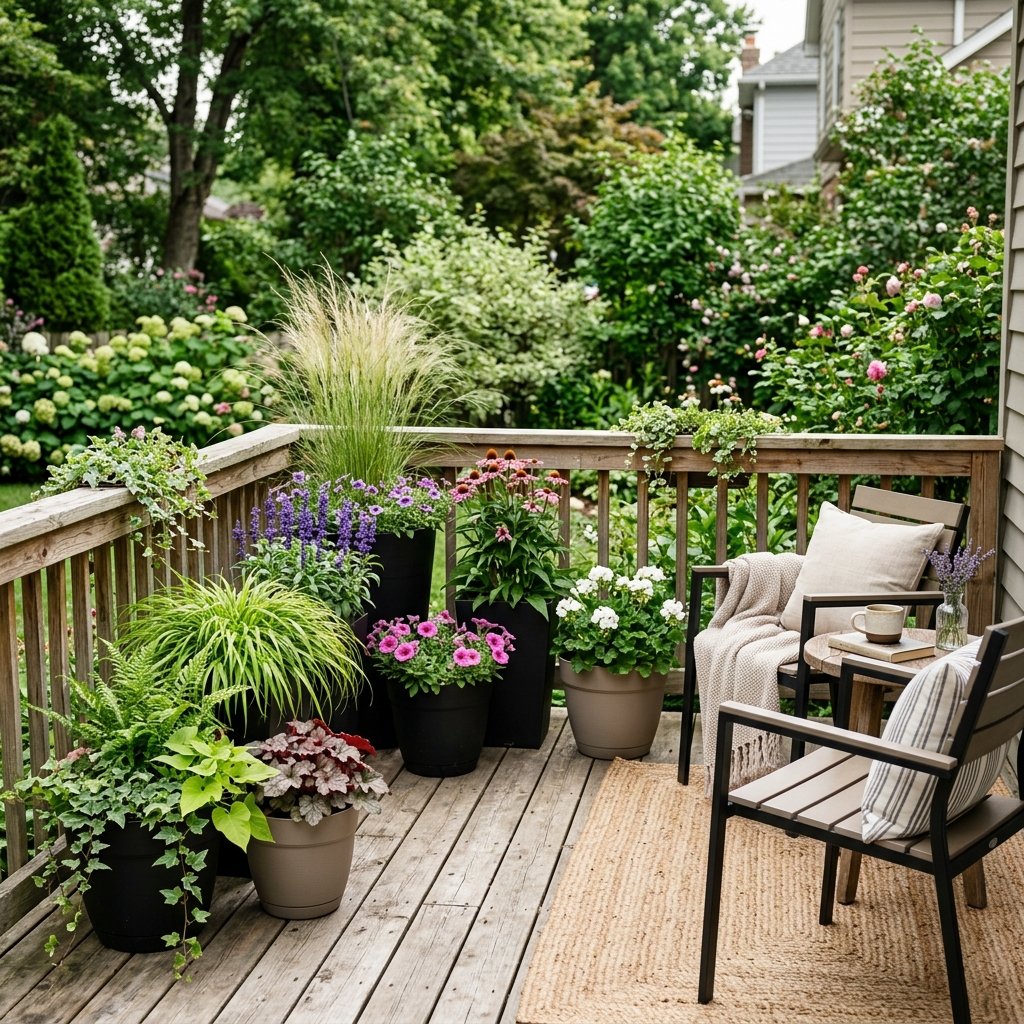
Affordable Planters for a Deck
Weight matters on a deck.
Large containers full of wet soil can be extremely heavy.
Choose appropriately sized containers and consider lightweight materials.
If you are adding several very large planters, make sure the deck can safely support the additional load.
Keep drainage water from collecting against wood surfaces.
Affordable Planters for a Small Balcony
Small balconies need multifunctional choices.
Try:
- Narrow planters
- Rail planters designed for the railing
- Lightweight pots
- Vertical plant stands
Do not overcrowd the floor.
Leave clear walking space and pay attention to weight limits.
Any railing-mounted planter should be securely attached according to its instructions.
What to Put in Large Outdoor Planters
Large containers do not always need complicated arrangements.
You can plant:
- One ornamental grass
- One fern
- One compact shrub
- A small tree suitable for container growing
- Several annual flowers
Always choose plants appropriate for the container size and local growing conditions.
Avoid placing a large plant in a container too small to support its mature root system.
How to Fill a Large Planter Without Using So Much Soil
A large decorative planter can require a lot of potting mix.
One option is to use a smaller inner nursery pot that fits appropriately inside the outer planter.
This approach works especially well for seasonal displays.
Another option is selecting a planter designed with a raised internal base.
Avoid filling the bottom randomly with materials that interfere with drainage or create instability.
The growing container still needs adequate root space for the specific plant.
Best Plants for Budget Planters
Plant choice depends on climate, sun, and season, but affordable containers can hold many types of plants.
Possible categories include:
- Annual flowers
- Herbs
- Ferns
- Ornamental grasses
- Succulents
- Compact shrubs
Buying smaller plants and allowing them to grow can be less expensive than purchasing mature specimens.
Just do not overcrowd the container in an effort to make it look full immediately.
How to Group Outdoor Planters
A simple group of three often works well.
Try combining:
Tall Planter
Use an upright plant.
Medium Planter
Use flowers or foliage.
Small Planter
Use a trailing plant or herb.
Vary the heights but keep something consistent, such as color or material.
Odd-numbered groupings can feel natural, but symmetry also works well at an entry door.
Budget Outdoor Planter Ideas With Flowers
For flower-filled containers, choose a simple palette.
Try:
- White + green
- Pink + white
- Purple + silver
- Yellow + white
- Coral + green
Fewer colors often look more polished than mixing every flower available.
Budget Outdoor Planter Ideas With Greenery
Green-only containers can be beautiful and easy to coordinate.
Mix textures instead of flower colors.
Try combining:
- Fine grass-like foliage
- Broad leaves
- Trailing greenery
This can look especially elegant around modern or neutral-colored homes.
Affordable Outdoor Planters for Seasonal Decor
You can reuse the same containers all year.
Spring
Add cool-season flowers and fresh greenery suitable for your climate.
Summer
Use heat-tolerant flowers and foliage.
Fall
Switch to autumn foliage and seasonal plants.
Winter
Use evergreen branches or cold-tolerant plants where appropriate.
Reusing the container instead of buying new seasonal decor can save money over time.
Common Mistakes With Affordable Outdoor Planters
Buying Only Based on Price
An inexpensive planter is not a bargain if it cracks immediately or cannot support the plant.
Forgetting Drainage
Decorative pots still need proper water management.
Using Containers That Are Too Small
Plants need enough root space.
Mixing Too Many Styles
A random collection can look cluttered.
Filling Huge Pots Completely Without Planning
This can add unnecessary soil, weight, and cost.
Ignoring Wind
Tall, lightweight planters may tip easily.
Placing Heavy Planters on Weak Surfaces
Always account for the weight of wet soil.
Outdoor Planter Safety Tips
A few practical precautions help keep container displays safe.
- Make sure tall planters are stable and not likely to tip in wind.
- Keep heavy containers away from unstable ledges.
- Use secure railing planters.
- Consider deck and balcony load limits.
- Keep walkways clear.
- Avoid sharp or damaged containers.
- Use appropriate materials for edible plants.
- Check drainage so water does not create slippery surfaces.
- Use gloves when handling potting mix or garden products as appropriate.
- Follow fertilizer and pest-control labels carefully.
- Keep garden products away from children and pets.
If a large planter will be difficult to move once filled, place it in its final location before adding soil and plants.
FAQ About Affordable Outdoor Planters
What are the cheapest outdoor planters?
Simple plastic, resin, terracotta, grow bags, repurposed containers, and secondhand pots are often among the more affordable options.
How can I make inexpensive planters look better?
Use a consistent color palette, repeat similar containers, group pots in different heights, and choose healthy plants with attractive proportions.
What can I use instead of expensive planters?
Try terracotta pots, simple nursery pots inside decorative outer containers, wooden crates, galvanized containers, or DIY wood boxes.
Are plastic planters good outdoors?
They can be. Choose products intended for outdoor use and appropriate for the size and weight of the plant.
How do I keep a lightweight planter from blowing over?
Use a wider, stable container and avoid making the arrangement excessively top-heavy. Position it in a protected area when possible.
Can I paint plastic outdoor planters?
Often yes, but surface preparation and coating choice depend on the plastic and product. Use a coating suitable for outdoor plastic and follow the manufacturer instructions.
Should outdoor planters have drainage holes?
Yes, adequate drainage is important for most container plants.
How do I save money filling large planters?
Choose containers with raised internal bases or use appropriately sized inner nursery pots rather than filling a much larger decorative shell completely with potting mix.
Final Thoughts
You do not need expensive containers to create a beautiful outdoor space.
Some of the most practical affordable outdoor planters are simple terracotta pots, lightweight resin containers, painted secondhand finds, nursery pots placed inside decorative covers, and basic DIY wood boxes.
The biggest difference comes from how you use them.
Repeat a few finishes, group planters in different heights, choose plants that suit the location, and make sure every container has appropriate drainage and enough room for healthy roots.
A simple inexpensive planter filled with a healthy plant often looks much better than an expensive pot that is poorly scaled or badly maintained.
With a little planning, you can create a porch, patio, deck, or balcony that feels lush and coordinated without spending a fortune.