

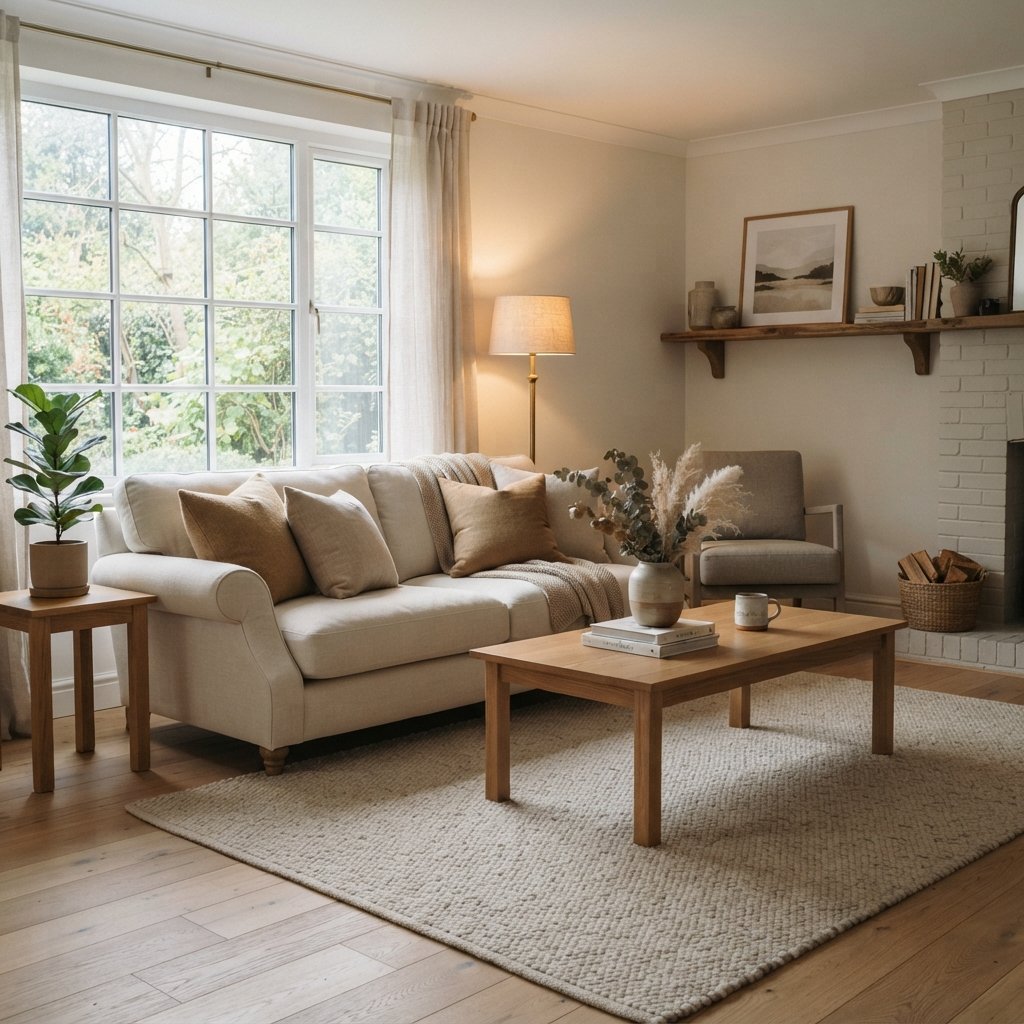
Have you ever loved a paint color in someone else’s home, painted it in your own room, and wondered why it suddenly looked completely different?
The direction your windows face may be part of the reason.
Natural light changes throughout the day, and rooms facing north, south, east, and west experience that light differently. A warm white that looks beautifully balanced in one room might become too creamy in another. A soft gray may look calm in a sunny room but surprisingly blue in cooler light.
Understanding room exposure can make choosing paint much easier.
The goal is not to memorize rigid rules about which colors are “allowed” in each direction. Instead, learn what the natural light is doing and decide whether you want to balance it or embrace it.
In this guide to the best paint colors for north, south, east, and west-facing rooms, we’ll look at how directional light affects whites, neutrals, blues, greens, and other colors, along with practical tips for testing paint before committing.
One important note: these descriptions generally assume a home in the Northern Hemisphere. Sun paths differ in the Southern Hemisphere, so north- and south-facing conditions are broadly reversed.
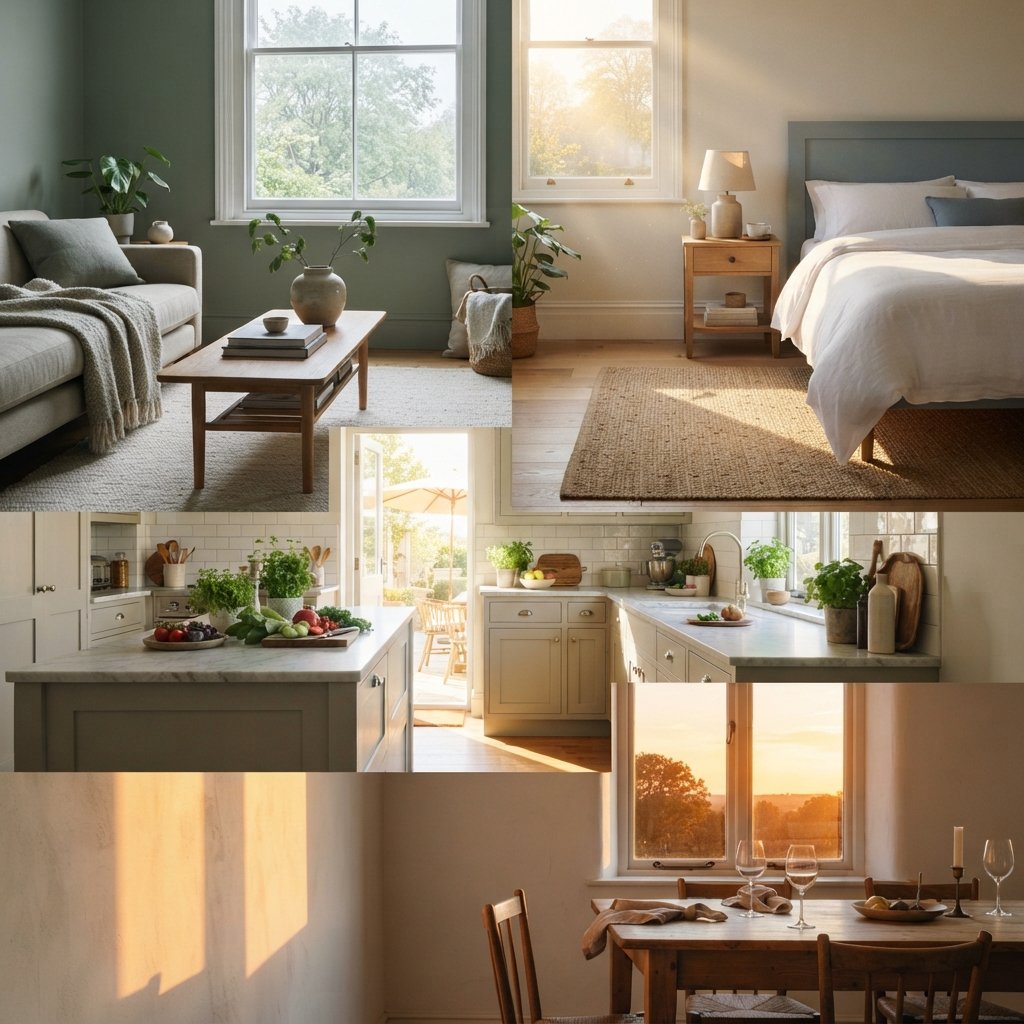
Why Does Window Direction Matter When Choosing Paint?
Paint color is influenced by the light illuminating it.
Natural light can affect how you perceive:
- Undertones
- Depth
- Saturation
- Warmth
- Coolness
The same wall color can look different from room to room even in the same house.
And direction is only one factor.
The amount and character of daylight can also be affected by:
- Window size
- Number of windows
- Trees
- Covered porches
- Roof overhangs
- Nearby buildings
- Window treatments
- Season
- Weather
- Latitude
- Reflective exterior surfaces
So think of window direction as a useful starting point—not a substitute for sampling paint in the actual room.
Quick Guide to Directional Light
For Northern Hemisphere homes, a simplified way to think about directional exposure is:
| Room Exposure | Typical Light Character | What to Watch |
| North-facing | Cooler, indirect | Colors can look cooler or grayer |
| South-facing | Generally brighter, warmer | Warm colors may become warmer |
| East-facing | Warmer/brighter in morning | Cooler and dimmer later |
| West-facing | Cooler/dimmer in morning | Warmer and stronger later |
The challenge with east- and west-facing rooms is that the character of the light changes substantially throughout the day.
A color that looks perfect at 9 a.m. may look very different at 5 p.m.
Best Paint Colors for North-Facing Rooms
North-facing rooms generally receive indirect light rather than strong direct sunlight.
In the Northern Hemisphere, that light often feels cooler.
As a result, paint colors may appear:
- Cooler
- Grayer
- Slightly darker
- More muted
Cool undertones can also become more noticeable.
That does not mean you have to avoid cool colors.
You simply need to know what effect you are creating.
Warm Whites for North-Facing Rooms
A warm white can be an excellent choice when you want a north-facing room to feel lighter and more inviting.
Look for whites with restrained:
- Cream
- Beige
- Warm neutral
undertones.
Be careful with extremely yellow whites.
A little warmth can balance cool light, but too much warmth may become obviously creamy, particularly under artificial lighting.
Cream in a North-Facing Room
Cream can soften the cooler character of northern light.
It works especially well with:
- Warm wood floors
- Beige upholstery
- Natural linen
- Brass
- Brown
If your room contains cool gray tile, blue-white stone, or other cool fixed finishes, compare the cream directly with them before choosing.
Beige in a North-Facing Room
Warm beige can create a comfortable backdrop in cooler light.
Try it with:
- Warm white trim
- Natural oak
- Muted blue
- Olive
- Cream
A beige that is already very yellow may become too warm when lamps are switched on, so test during both daytime and evening.
Greige in a North-Facing Room
Greige can work well, but its balance matters.
In cooler northern light, some greiges reveal more gray than expected.
If you want warmth, look for a greige that does not already seem cold on the sample.
Compare it with your flooring and furniture.
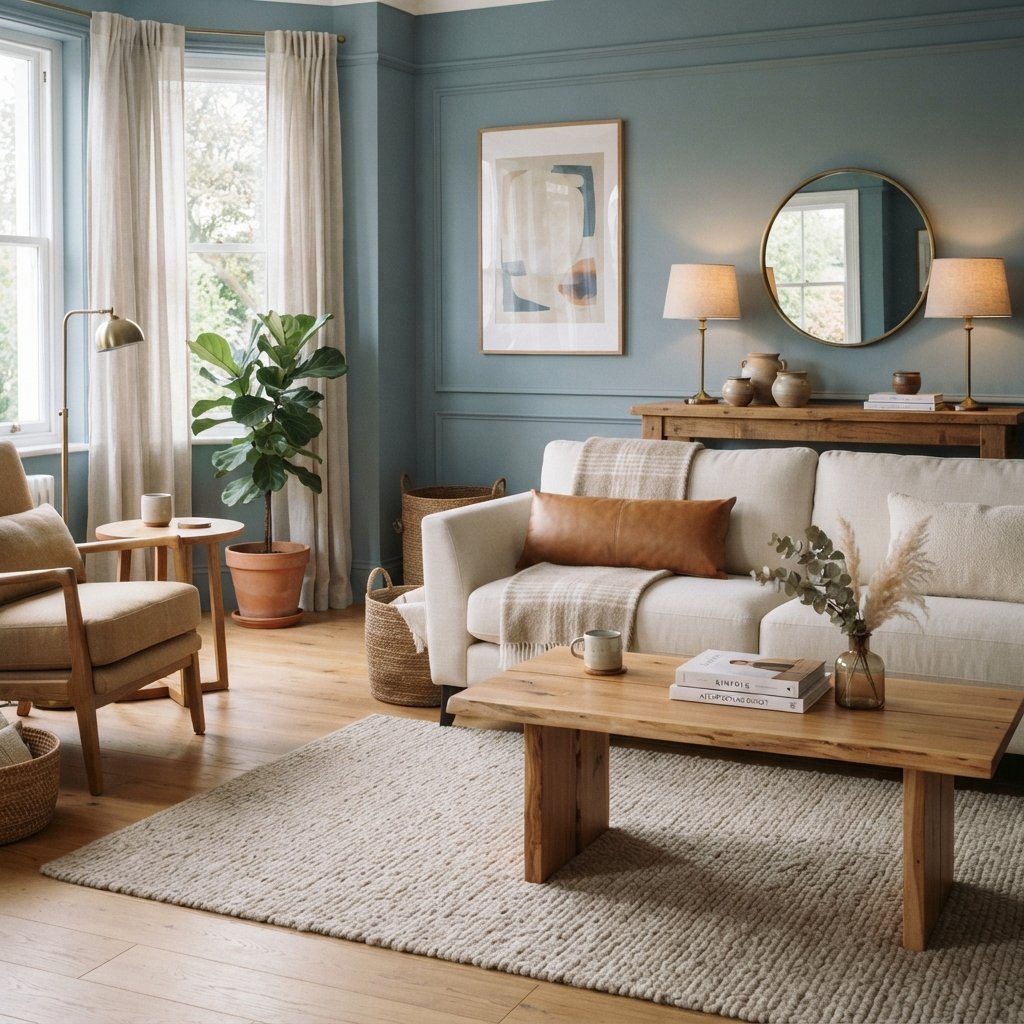
Blue in a North-Facing Room
You do not have to fight the cool light.
A muted blue can create a calm, intentionally cool room.
Consider:
- Dusty blue
- Slate blue
- Muted blue-gray
Then bring in warmth through wood, camel, cream, or brass.
Green in a North-Facing Room
Muted greens can be beautiful in northern light.
A sage with enough warmth may create a soft neutral effect, while blue-green will emphasize the room’s cooler character.
Neither is inherently wrong.
Choose based on the mood you want.
Colors to Be Careful With in North-Facing Rooms
Be particularly careful with:
- Icy whites
- Very cool gray
- Pale blue-gray
- Cool lavender-gray
if your goal is to make the room feel warmer.
Cool light can exaggerate those undertones.
However, these same colors may be excellent if you intentionally want a crisp or atmospheric palette.
How to Warm Up a North-Facing Room
Paint is only one tool.
Add warmth through:
- Wood furniture
- Cream textiles
- Camel
- Cognac leather
- Woven baskets
- Warm metals
- Layered lighting
A cooler wall color can still feel inviting when the room contains enough warm texture.
Best Paint Colors for South-Facing Rooms
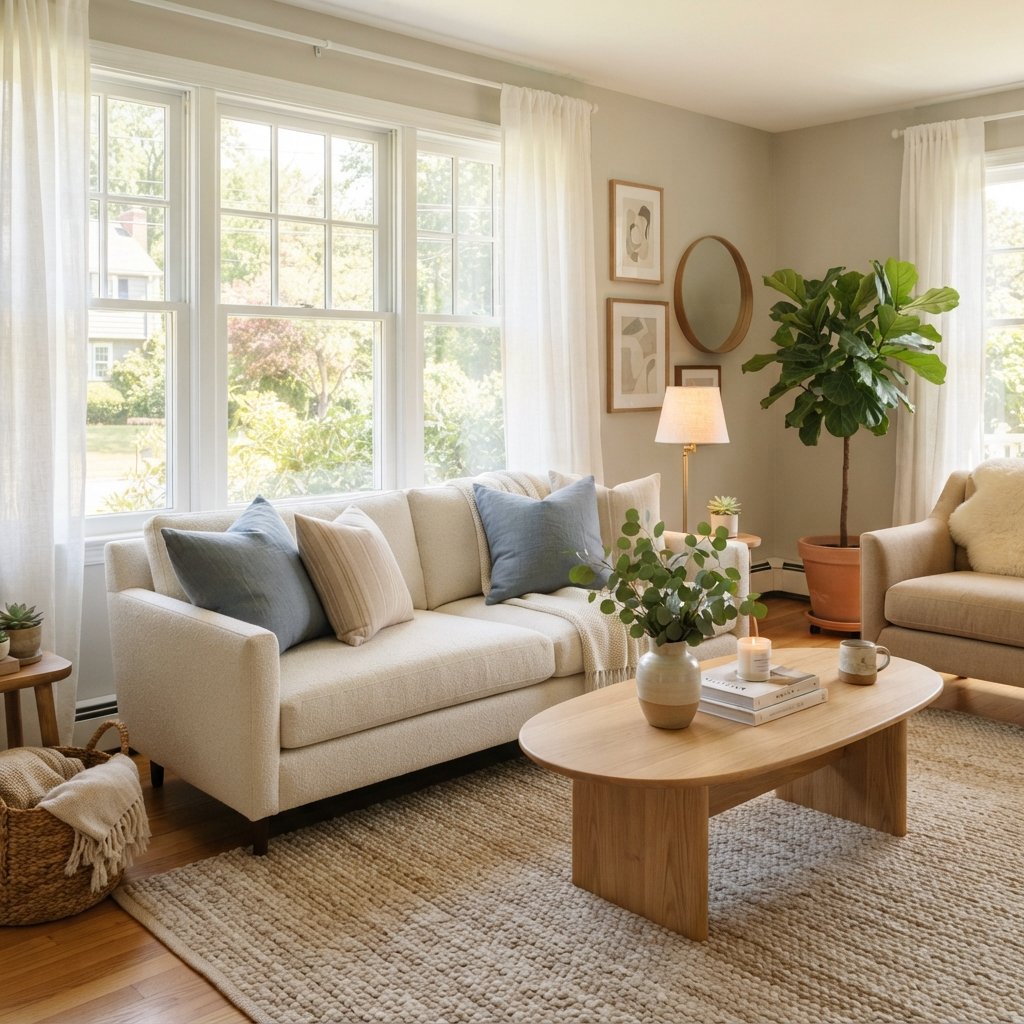
South-facing rooms in the Northern Hemisphere generally receive more direct sunlight and often feel brighter and warmer.
That gives you plenty of flexibility.
Colors may appear:
- Lighter
- Warmer
- More luminous
- More saturated during strong daylight
Because the room already provides warmth, you can often use slightly cooler paint colors without making the space feel cold.
White in a South-Facing Room
South-facing rooms can handle a wide range of whites.
Warm whites may become noticeably warmer in strong sunlight.
A more neutral white can help create balance.
That said, if you want a creamy, sunny room, a warmer white may be exactly right.
Greige in a South-Facing Room
Greige is especially versatile in warm southern light.
A color that appears slightly gray elsewhere may look softer and more balanced here.
This makes greige useful when you want a neutral room without committing to obvious beige.
Gray in a South-Facing Room
Cooler gray can work well because warm natural light may soften its coolness.
Still, do not assume every gray will become perfectly neutral.
Green, blue, violet, and other undertones can remain visible.
Sample carefully.
Blue in a South-Facing Room
Blue can be beautiful in abundant warm light.
Try:
- Dusty blue
- Blue-gray
- Muted navy
- Soft slate
The warmth of the daylight can keep blue from feeling overly chilly.
Green in a South-Facing Room
Sage, olive, eucalyptus, and blue-green can all work depending on your furnishings.
Strong natural light may reveal undertones more clearly, so compare green directly with flooring and upholstery.
Colors to Be Careful With in South-Facing Rooms
Watch very warm colors if you do not want an intensely warm result.
These can include:
- Yellow-heavy cream
- Golden beige
- Strong yellow
- Warm peach
Sunlight can intensify their warmth.
Again, this is not necessarily bad.
It is simply something to anticipate.
Best Paint Colors for East-Facing Rooms
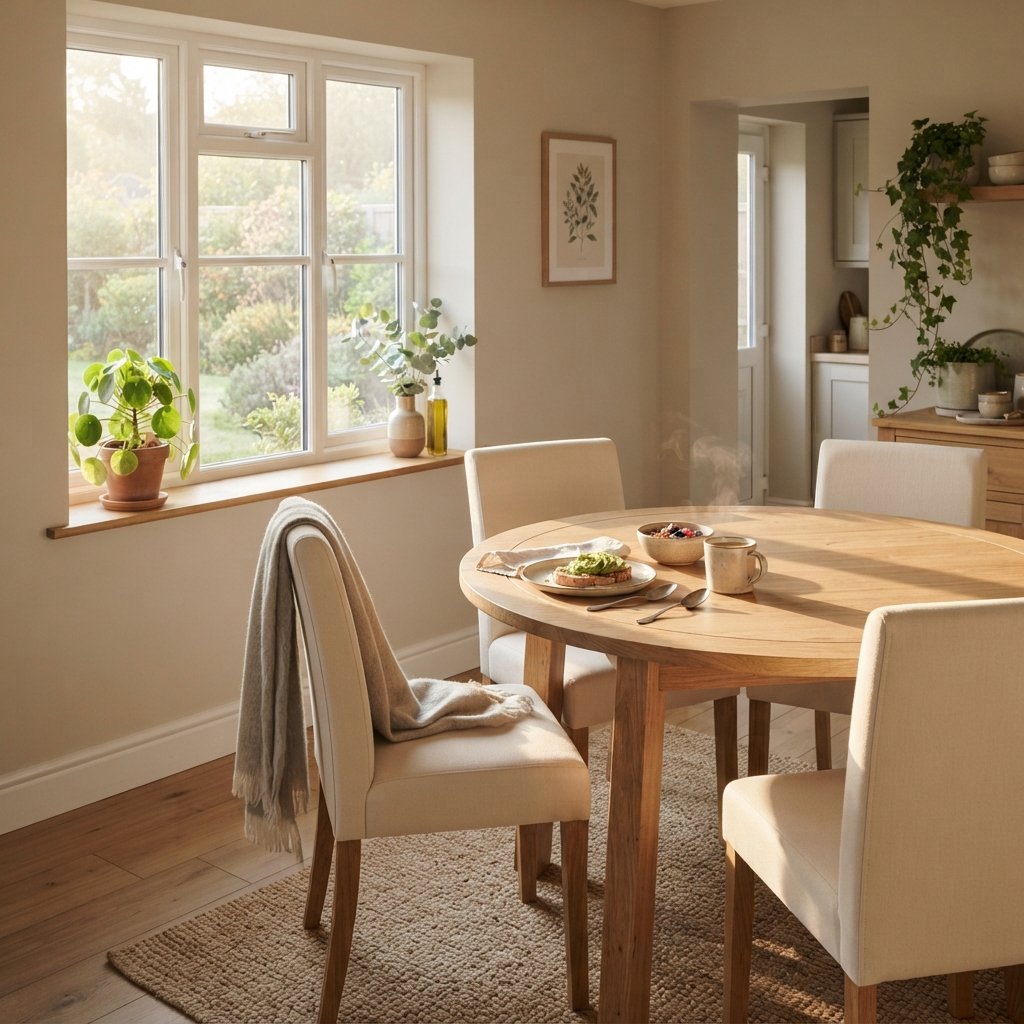
East-facing rooms receive stronger, warmer sunlight earlier in the day.
As the sun moves away, they typically become cooler and less bright.
That means you are decorating for two different lighting conditions.
Morning:
Brighter + warmer
Later in the day:
Dimmer + cooler
Warm White in an East-Facing Room
Warm white can help the room remain inviting later in the day when direct morning light is gone.
During the morning, it may look creamier.
If you like a warm, cheerful breakfast-room feeling, that can be beautiful.
Soft Beige in an East-Facing Room
Beige is useful because it can maintain warmth when the room becomes cooler later.
Choose a muted beige rather than an intensely yellow one if the morning sunlight is strong.
Greige in an East-Facing Room
Greige can be a good compromise.
In the morning, warmer sunlight may emphasize its beige side.
Later, cooler indirect light may bring out more gray.
If you like both versions, you have probably found a good option.
Sage in an East-Facing Room
Sage can change considerably throughout the day.
Morning light may bring out warmer green notes, while afternoon conditions can make it appear more muted or gray.
That variation can add depth.
Blue in an East-Facing Room
Blue can look fresh in the morning and cooler later.
If you are concerned about the afternoon feeling too chilly, balance blue with:
- Warm wood
- Cream
- Camel
- Beige
- Brass
The Most Important Question for an East-Facing Room
When do you use the room?
A breakfast nook primarily used in the morning should be evaluated in morning light.
A living room used mostly after work should be judged during late afternoon and evening.
Choose paint for the conditions you will actually experience most.
Best Paint Colors for West-Facing Rooms
West-facing rooms behave almost opposite to east-facing rooms.
Morning:
Typically cooler + dimmer
Later afternoon:
Warmer + brighter
As afternoon sunlight enters the room, warm colors can become considerably richer.
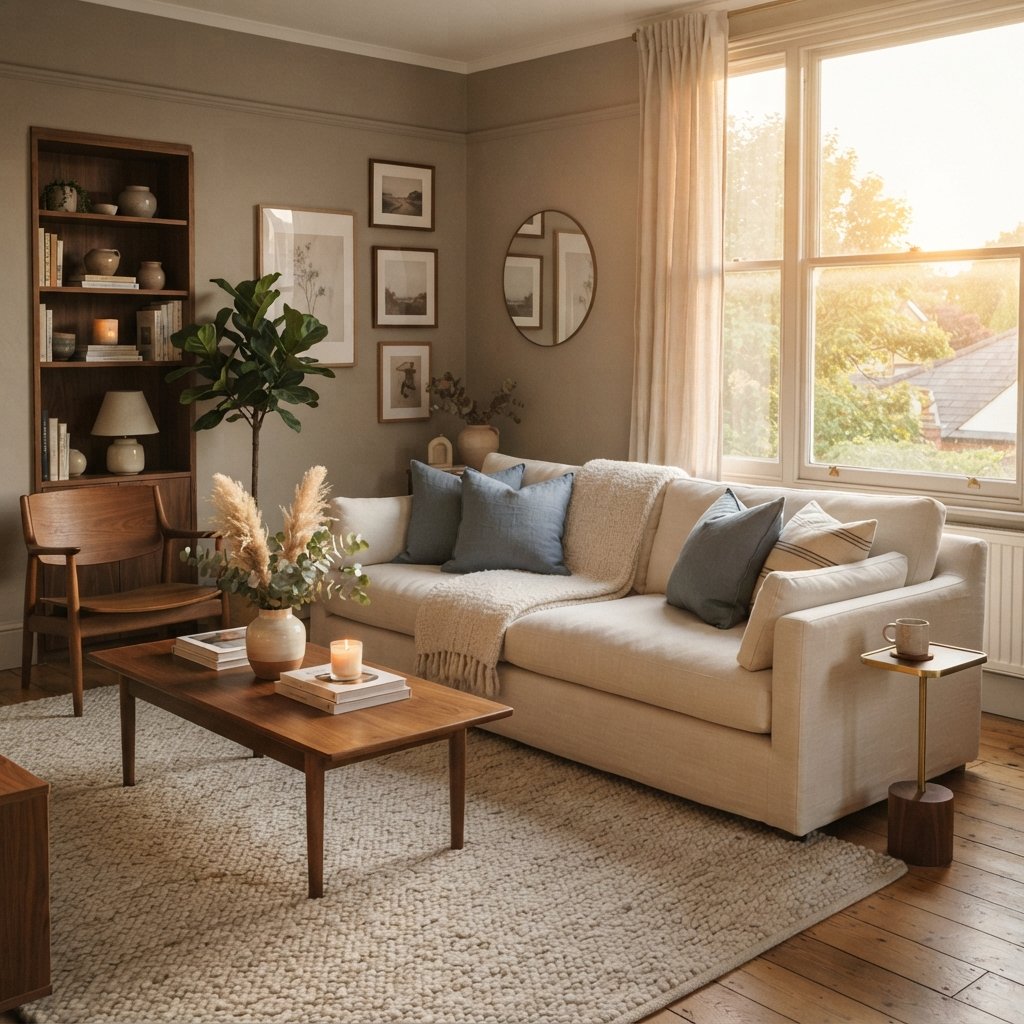
Warm White in a West-Facing Room
A warm white can help soften the cooler morning conditions.
But later in the day, strong western sunlight may make it look significantly creamier.
If you want a more balanced result, compare warm and neutral whites.
Neutral White in a West-Facing Room
A relatively neutral white can be a versatile option because it is less likely to become extremely creamy during the afternoon.
Still, evaluate it in both morning and evening conditions.
Greige in a West-Facing Room
Greige can look relatively gray in the morning and warmer later.
This shift can be beautiful if the color works in both conditions.
Do not judge it at only one time of day.
Taupe in a West-Facing Room
Taupe can work particularly well when you want a cozy neutral.
Its mixture of gray and brown can transition naturally from cooler morning light to warmer evening light.
Blue in a West-Facing Room
Blue can provide beautiful contrast with warm afternoon sunlight.
A muted blue or blue-gray may look cooler in the morning, then softer and more balanced as the room becomes warmer.
Green in a West-Facing Room
Muted greens can shift dramatically in western light.
Olive may become richer and warmer.
Blue-green may appear more balanced during the warmest part of the afternoon.
Large samples are especially useful.
Colors to Be Careful With in West-Facing Rooms
Highly warm colors may become much stronger late in the day.
Watch:
- Strong yellow
- Orange
- Peach
- Very warm cream
- Golden beige
If you love that glowing effect, embrace it.
If not, choose something slightly more restrained.
Best White Paint Colors by Room Direction
White is one of the paint families most affected by changing light because subtle undertones can become surprisingly visible.
North-Facing
Consider warmer or softly neutral whites if you want to counter cooler light.
South-Facing
Neutral and slightly cooler whites may balance the natural warmth, while warm whites create a sunnier effect.
East-Facing
Look for a white that remains pleasant in both warm morning sun and cooler afternoon conditions.
West-Facing
Test whites carefully in late afternoon because warm undertones may become stronger.
There is no universally perfect white for any direction.
The fixed finishes in your home matter just as much.
Best Neutral Paint Colors by Exposure
If you want a neutral instead of white, think about how its undertones respond to the room.
North-Facing
Warm beige, warm greige, mushroom, soft taupe.
South-Facing
Neutral greige, balanced beige, taupe, soft gray.
East-Facing
Soft beige, balanced greige, warm taupe.
West-Facing
Greige, taupe, mushroom, restrained beige.
These are color directions rather than guarantees.
Two paints both labeled “greige” can behave completely differently.
How Gray Changes in Different Directions
Gray is particularly sensitive to light.
North-Facing Gray
May appear cooler, bluer, or more muted.
South-Facing Gray
Warm light may soften its cooler qualities.
East-Facing Gray
Can appear warmer in the morning and cooler later.
West-Facing Gray
May appear cooler in the morning and warmer in late afternoon.
If you are trying to find a “true gray,” remember that paint does not exist independently from its environment.
Every gray has undertones, and the room can reveal them.
How Beige Changes in Different Directions
Beige also shifts.
In north-facing rooms, warm beige may help offset cooler light.
In south-facing rooms, golden beige may become significantly warmer.
In east-facing rooms, beige can glow in the morning and appear more subdued later.
In west-facing rooms, beige may become richest during late afternoon.
Always compare beige with wood flooring because the two large warm surfaces can amplify each other.
How Green Changes With Room Exposure
Green is complicated because it can lean yellow, blue, gray, or brown.
A warm olive and a cool eucalyptus may behave very differently in the same room.
Northern light may emphasize cooler or grayer aspects.
Warm southern or western light may bring out yellow or earthy undertones.
Eastern exposure can shift the appearance noticeably between morning and afternoon.
Test green beside your actual furnishings.
How Blue Changes With Room Exposure
Blue often becomes cooler in north-facing rooms.
That can create a beautiful atmospheric effect, but it may feel chilly if everything else is cool too.
South-facing warmth can soften blue.
East-facing blue can feel brighter in the morning and cooler later.
West-facing blue may create particularly attractive contrast with warm late-day sunlight.
Warm wood, cream, camel, and natural fibers can balance blue in almost any exposure.
What About Rooms With Windows Facing More Than One Direction?
Some rooms have windows on two or more sides.
In that case, the light is more complex.
For example, a room with north- and west-facing windows may receive:
- Cooler indirect light for much of the day
- Strong warmer light later in the afternoon
Do not try to classify the room with one simple label.
Observe it.
Look at the walls at several times of day and determine which exposure has the greatest effect.
Then sample accordingly.
What If My Window Faces One Direction but the Room Is Still Dark?
Window direction does not tell the whole story.
A south-facing room can still be dark if the window is blocked by:
- Deep porch
- Large tree
- Nearby building
- Heavy curtains
- Small window
- Exterior overhang
Likewise, a north-facing room can feel surprisingly bright if it has large unobstructed windows.
Always prioritize the actual conditions you see over theoretical rules.
How Your Location Affects Directional Light
The north/south descriptions commonly used in paint advice are generally written for Northern Hemisphere homes.
In the Southern Hemisphere, the sun’s path means north- and south-facing rooms behave differently.
Latitude also matters.
The angle and intensity of sunlight are not identical everywhere.
Seasonal changes can also be much more dramatic in some locations than others.
Use directional advice as a framework, then let your actual room make the final decision.
How Artificial Lighting Changes Paint Colors
Natural light is only half the equation.
At night, your paint color will be seen under artificial lighting.
Different light sources can shift how warm or cool colors appear.
This is especially important in:
- North-facing rooms
- Hallways
- Basements
- Rooms with small windows
- Rooms primarily used at night
Evaluate your samples with the lamps and fixtures you actually plan to use.
A color that looks perfect at noon but unpleasant every evening probably is not the right choice for a room you mostly use at night.
How to Test Paint for North, South, East, and West-Facing Rooms
1. Narrow Down the Color Family
Decide whether you want:
- White
- Beige
- Greige
- Gray
- Blue
- Green
- Another color
2. Choose Several Undertones
Do not sample five nearly identical colors.
Try slightly warmer and cooler versions.
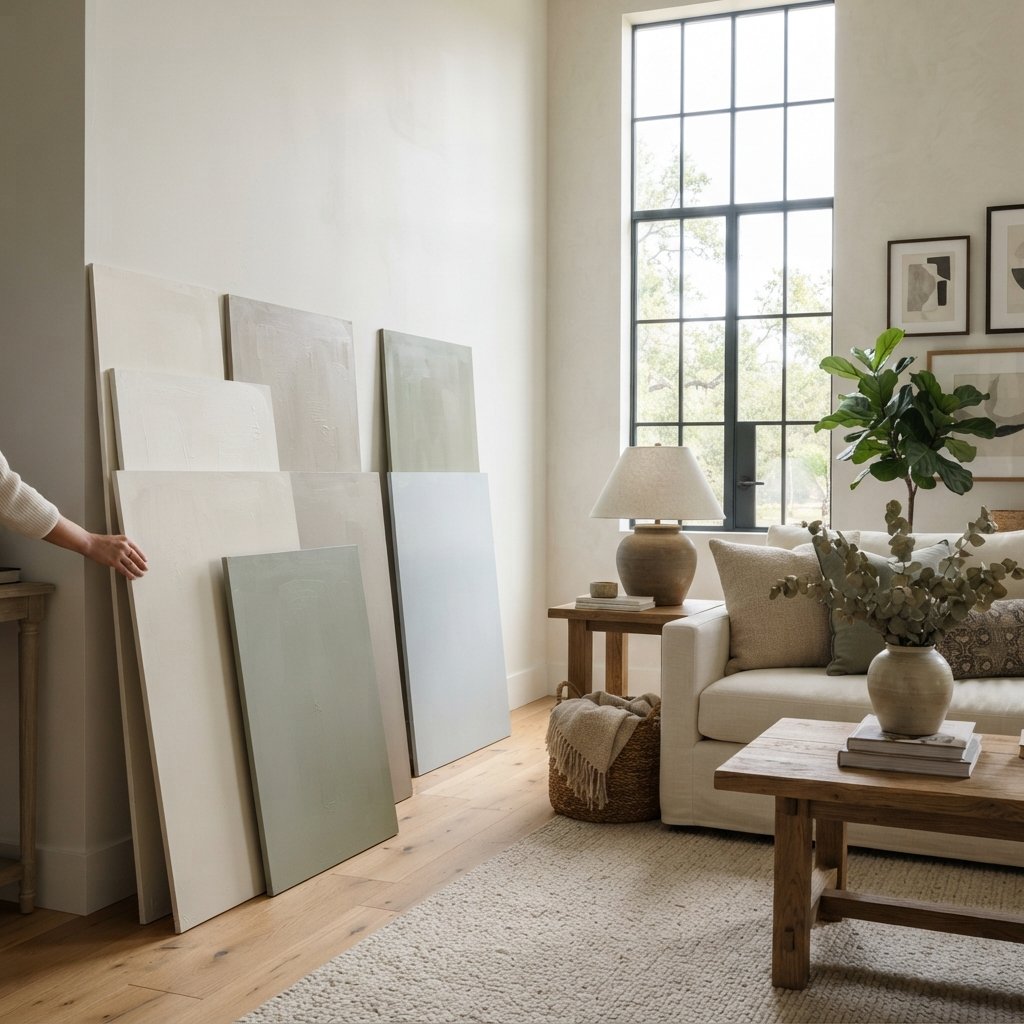
3. Use Large Samples
Large samples make subtle undertones much easier to identify.
4. Test More Than One Wall
The same paint can look different on adjacent walls.
5. Check Morning Light
Especially important for east-facing rooms.
6. Check Midday
This can help you understand the room’s overall daylight character.
7. Check Late Afternoon
Essential for west-facing rooms.
8. Check at Night
Turn on your actual lamps and fixtures.
9. Compare With Fixed Finishes
Place samples next to:
- Flooring
- Cabinets
- Tile
- Countertops
- Sofa
- Curtains
10. Live With the Samples
Do not rush the decision if you are unsure.
Should Trim Be Warm or Cool?
Trim color should relate to both the wall color and fixed finishes.
A very cool bright white trim can make a warm wall color look considerably more yellow.
A creamy trim may make a cooler wall color appear even cooler.
If you want subtle contrast, choose wall and trim colors with compatible undertones.
You can also paint walls and trim the same color using appropriate finishes if that suits the design.
This approach can be particularly effective in rooms where you want a soft, enveloping appearance.
Should the Ceiling Match the Walls?
A white ceiling creates traditional contrast, but it is not the only option.
Depending on the room, you could:
- Use the same white as the trim
- Use a softer related white
- Continue the wall color onto the ceiling
- Use a lighter variation of the wall color
Continuing wall color onto the ceiling can be especially effective in moody bedrooms, offices, and dens.
As always, consider the room’s light before committing.
How to Balance a Room That Feels Too Cool
If your room exposure makes the paint feel colder than you expected, you do not necessarily have to repaint.
Try adding:
- Warm wood
- Camel
- Cream
- Cognac
- Brass
- Terracotta
- Woven textures
These elements can visually warm the room.
How to Balance a Room That Feels Too Warm
If strong southern or western light makes everything feel overly warm, introduce:
- Muted blue
- Blue-gray
- Cooler green
- Charcoal
- More neutral textiles
You can balance warm light through the decor without forcing every surface to become cool.
Common Mistakes When Choosing Paint for Room Direction
Following Directional Rules Too Literally
Actual light conditions matter more.
Choosing a Color Based on Someone Else’s Room
Their exposure and finishes may be completely different.
Testing Only at Noon
East and west rooms change dramatically.
Ignoring Artificial Lighting
You may spend more time in the room at night.
Choosing White Without Checking Undertones
White is not undertone-free.
Assuming Every North-Facing Room Is Dark
Window size and obstructions matter.
Assuming Every South-Facing Room Is Bright
A covered porch or neighboring building can reduce daylight substantially.
Forgetting the Flooring
Flooring is one of the largest color surfaces in the room.
Painting Before Sampling
Large samples are worth the extra step.
Trying to Eliminate Every Color Shift
Paint naturally changes as the light changes. The goal is to choose a color you like throughout those shifts.
FAQ About Paint Colors for Different Room Directions
What colors are best for north-facing rooms?
If you want to balance cooler northern light, consider warm whites, creams, warm beige, warm greige, mushroom, or certain muted greens. You can also embrace the cool light with blue or blue-gray.
What colors are best for south-facing rooms?
South-facing rooms are flexible because they often receive abundant warm light. Neutral whites, greiges, soft grays, blues, and greens can all work well.
What colors are best for east-facing rooms?
Choose colors that work in both warmer morning sunlight and cooler afternoon light. Warm whites, balanced beige, greige, sage, and carefully chosen blues can work well.
What colors are best for west-facing rooms?
Neutral whites, greige, taupe, muted blue, and green can work beautifully. Remember that warm afternoon sunlight may intensify warm undertones.
Should north-facing rooms always use warm paint?
No. Warm paint can balance cool light, but a cool paint color can create a beautiful intentional effect. It depends on your desired mood.
Should south-facing rooms use cool colors?
Not necessarily. Cooler colors can balance warm light, but warm colors can also create a bright, sunny atmosphere.
Why does my paint look different throughout the day?
The color and intensity of natural light change as the sun moves, causing the same painted surface to appear warmer, cooler, lighter, or darker.
Do these directional rules apply everywhere?
The common north-versus-south guidelines generally assume Northern Hemisphere conditions. Sun exposure differs in the Southern Hemisphere, and latitude, season, window size, and exterior obstructions also influence daylight.
Final Thoughts
Understanding the best paint colors for north, south, east, and west-facing rooms can make choosing paint much less frustrating.
Instead of wondering why a color does not look like the photo online, start by studying the light in your own room.
In Northern Hemisphere homes, north-facing rooms generally receive cooler indirect light, so warmer colors can create balance—or cooler colors can emphasize the room’s naturally calm atmosphere.
South-facing rooms usually receive warmer, brighter light and can often handle cooler whites, grays, blues, and greens beautifully.
East-facing rooms change from warmer morning light to cooler conditions later in the day.
West-facing rooms do the opposite, becoming much warmer as afternoon sunlight enters.
But none of these are rigid rules.
A north-facing room with enormous windows can be brighter than a south-facing room hidden behind a covered porch.
Your flooring, furniture, window treatments, artificial lighting, latitude, and surrounding buildings all matter.
Use room direction to understand what the light is likely to do.
Then test large samples in the actual space, on multiple walls, from morning through evening.
The best paint color is not the one that follows a directional rule perfectly.
It is the color that still looks beautiful when the light in your room changes.