

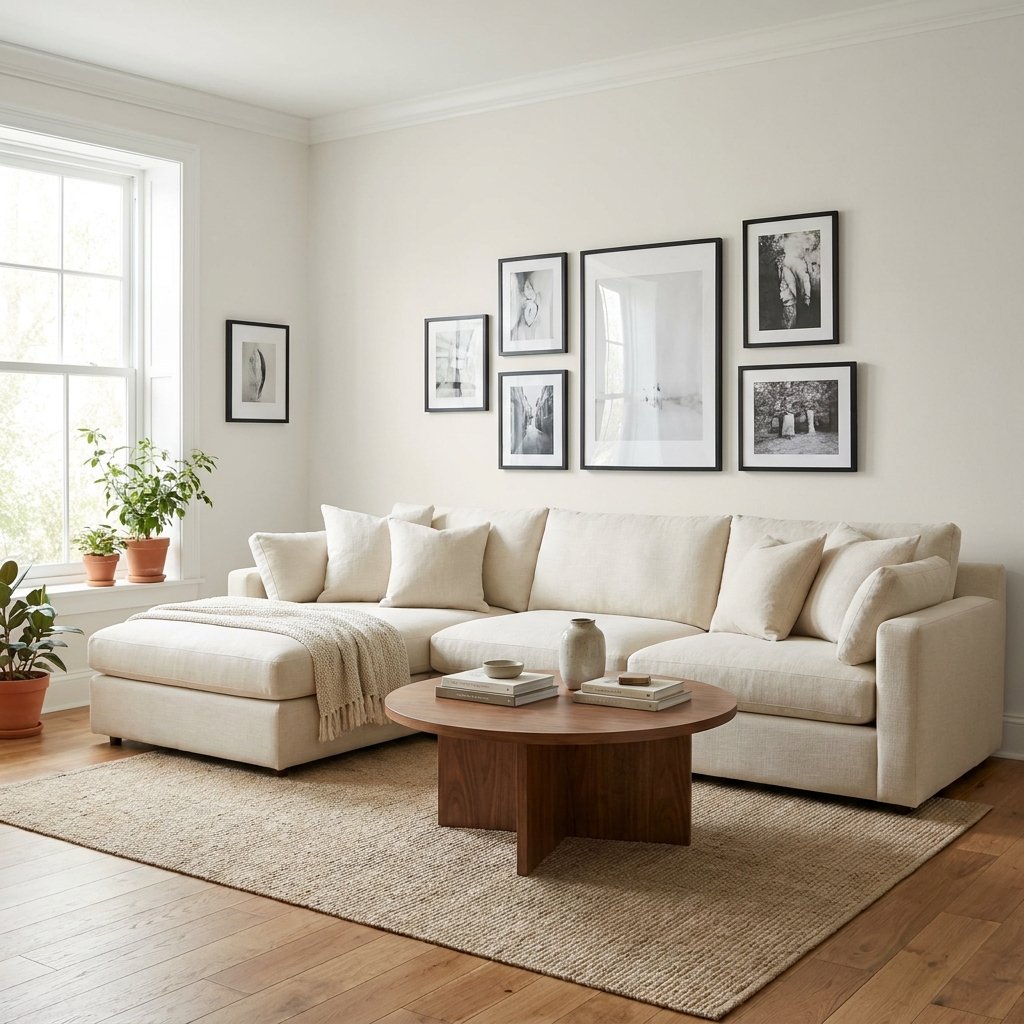
If you’re searching for a light neutral that falls somewhere between white, gray, and greige, Benjamin Moore Classic Gray OC-23 is a paint color worth sampling.
Despite the name, Classic Gray isn’t the kind of medium or cool gray you might picture when you hear “gray paint.”
It’s much lighter.
In fact, Benjamin Moore describes Classic Gray as an ultra-light gray that can also function as an off-white. Its official Light Reflectance Value, or LRV, is 73.67.
That puts Classic Gray firmly in light-paint territory while still giving it more visible depth than many traditional whites.
This combination can make it useful when you want walls that feel soft and neutral without looking stark.
But subtle neutrals are highly influenced by their surroundings.
Natural light, artificial lighting, flooring, trim, furniture, countertops, and neighboring colors can all affect how Classic Gray appears in your particular room.
Let’s take a closer look at Benjamin Moore Classic Gray, including its undertones, lighting considerations, coordinating colors, and where you might want to use it.
What Color Is Benjamin Moore Classic Gray?
Classic Gray is OC-23 in Benjamin Moore’s Off White Collection. Benjamin Moore also identifies the color as 1548 in its Classics collection.
The manufacturer describes it as an ultra-light gray that can function as an off-white.
That description is useful because Classic Gray doesn’t behave like a typical deeper gray.
Depending on the room, it may read as:
- Soft off-white
- Very pale warm gray
- Light greige
- Barely-there neutral
If you want an obvious gray statement, Classic Gray may be too light.
If you want something softer than white, however, that’s exactly where it becomes interesting.
What Is the LRV of Classic Gray?
Benjamin Moore lists Classic Gray OC-23 with an LRV of 73.67.
LRV stands for Light Reflectance Value.
The scale runs from 0 to 100, with lower values reflecting less light and higher values reflecting more.
An LRV of 73.67 means Classic Gray is relatively light and reflective.
That doesn’t mean it will make a dark room magically bright.
Paint can only reflect the light that’s available.
But compared with a deeper neutral, Classic Gray can help maintain a lighter visual feeling.
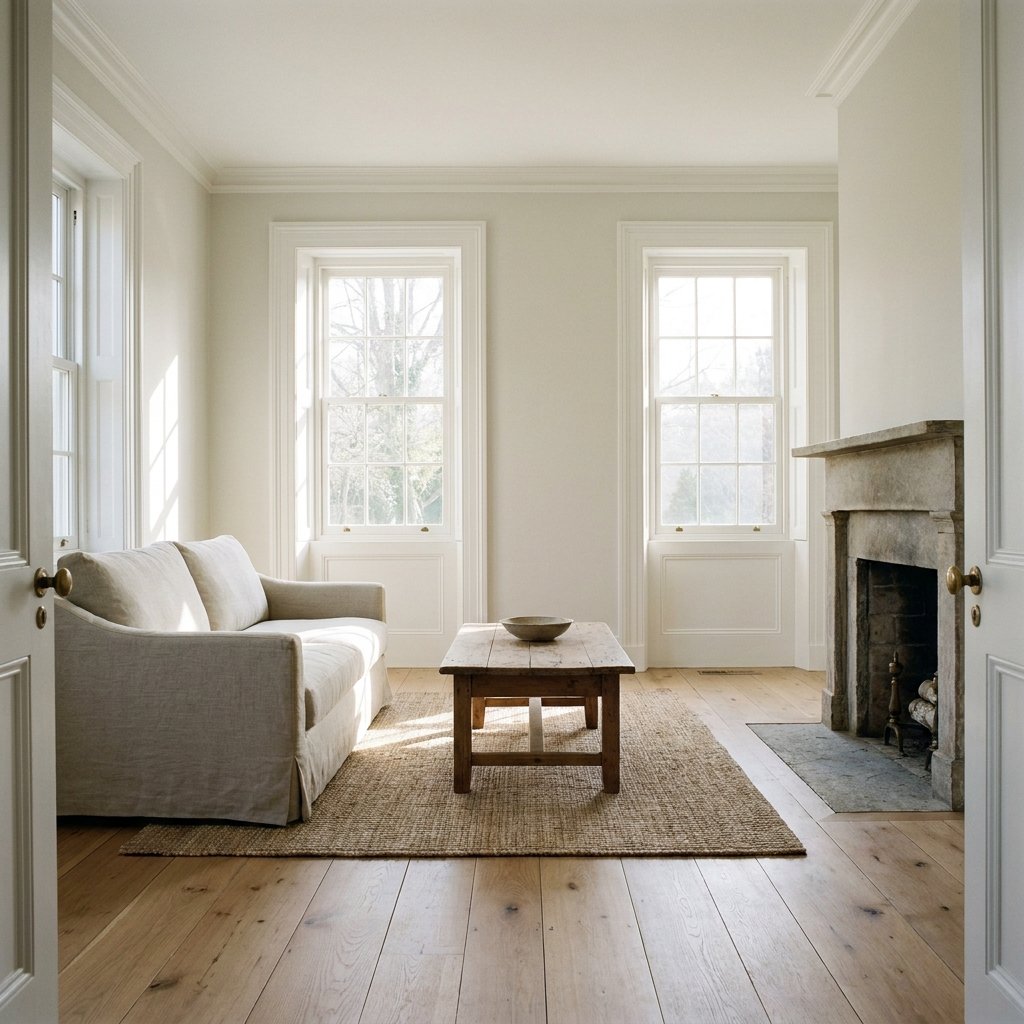
What Are the Undertones of Classic Gray?
This is the question that matters most with almost any neutral paint color.
Classic Gray generally reads as a warm, very light gray or greige rather than a cold blue-gray.
But don’t think of an undertone as something that will appear identically in every house.
Your room can influence which subtle characteristics become more noticeable.
Factors include:
- Direction of natural light
- Amount of daylight
- Artificial bulbs
- Wood flooring
- Countertops
- Upholstery
- Nearby paint colors
- Exterior reflections
In some rooms, Classic Gray may appear warmer and more greige.
In others, it may look closer to a soft off-white.
That’s why a physical sample is much more useful than trying to identify the color from an online photograph.
Is Classic Gray Warm or Cool?
Classic Gray generally belongs on the warmer side of the gray spectrum.
If you’re comparing it with a distinctly cool, blue-based gray, the difference should become much easier to see.
However, “warm” is relative.
Place Classic Gray beside a creamy beige and it may suddenly look grayer.
Place it beside a cool gray and its warmth may become much more apparent.
Paint colors don’t exist in isolation.
Always compare them with the permanent materials in your room.
Is Benjamin Moore Classic Gray a Greige?
It can certainly function as a very light greige.
Benjamin Moore includes Classic Gray in its greige color guidance, while its individual color page describes it as an ultra-light gray that can function as an off-white.
That combination explains why people can look at the same color and describe it differently.
It sits in that flexible area between:
Off-white + warm gray + greige
If you’re specifically looking for a deep or obvious greige, Classic Gray probably won’t provide enough color.
If you want a subtle neutral, it may.
Does Classic Gray Look White?
It can.
Especially in a room with abundant natural light, Classic Gray may appear much closer to off-white than traditional gray.
The easiest way to see its depth is to place it beside a cleaner white.
The white can make Classic Gray’s subtle body and warmth more noticeable.
Without that comparison, you may simply walk into the room and think:
Soft white walls.
That’s one reason Classic Gray can work well for homeowners who are nervous about committing to gray.
Benjamin Moore Classic Gray in North-Facing Rooms
North-facing rooms often receive cooler, more indirect natural light.
That cooler light may make a neutral appear grayer or more subdued.
Classic Gray’s relative warmth can be helpful if you want a light neutral without intentionally choosing a blue-gray.
But don’t assume it will automatically work.
A north-facing room with little daylight may make Classic Gray look different from a bright north-facing room with large windows.
Test it on multiple walls.
Classic Gray in South-Facing Rooms
South-facing rooms typically receive abundant warm light for much of the day.
That light can make Classic Gray appear lighter and warmer.
In a particularly bright room, the color may move visually closer to off-white.
If you want noticeable wall-to-trim contrast, compare your trim white carefully.
Classic Gray in East-Facing Rooms
East-facing rooms receive stronger morning light and generally less direct light later in the day.
Expect Classic Gray to shift as the light changes.
Look at your sample in the morning and again late in the afternoon.
Don’t choose the color after seeing it during only one part of the day.
Classic Gray in West-Facing Rooms
West-facing spaces often receive warmer, stronger light later in the day.
Classic Gray may appear warmer in the afternoon and evening than it did earlier.
Again, the best approach is a large physical sample viewed throughout a full day.
Classic Gray in Dark Rooms
Can you use Classic Gray in a room with little natural light?
Potentially.
Its high LRV means it’s a light color, but a light paint cannot manufacture daylight.
In a dark room, Classic Gray may look more subdued and its undertones may become more noticeable.
Before choosing it specifically to “brighten” a room, compare it with:
- Off-white
- Warm white
- Slightly deeper warm neutral
Sometimes a little more color actually looks better than an extremely pale neutral in a low-light space.

What White Trim Goes With Classic Gray?
A white trim color can create just enough contrast to show that Classic Gray isn’t actually white.
Benjamin Moore lists Super White OC-152 among the coordinating colors on its U.S. Classic Gray page. Its Canadian Classic Gray page shows Simply White OC-117 as a coordinating option.
Those are useful starting points, but you should still sample the combination in your own home.
Your existing fixed white matters too.
If your house already has painted trim, cabinets, doors, or built-ins, compare Classic Gray directly with that color before repainting everything.
Can You Use Classic Gray on Walls and White Dove on Trim?
White Dove OC-17 is another Benjamin Moore white homeowners often consider for trim.
Rather than assuming two popular colors will automatically work together, place samples side by side.
Classic Gray is subtle.
A warmer white can create less contrast than a cleaner white, which may be exactly what you want—or may make the two colors feel too close.
The correct answer depends on your lighting and surrounding finishes.
Can You Paint Walls and Trim Classic Gray?
Yes, a monochromatic approach can work beautifully.
Instead of changing the color, vary the sheen where appropriate for the surface.
Using one color can create a soft, continuous look and eliminate the challenge of finding a contrasting white.
However, because trim, doors, walls, and ceilings may require different paint products or sheens, choose coatings appropriate for each surface and follow Benjamin Moore’s application recommendations.
Classic Gray in a Living Room
A living room is one of the easiest places to use Classic Gray.
Its lightness allows furniture and artwork to provide the stronger contrast.
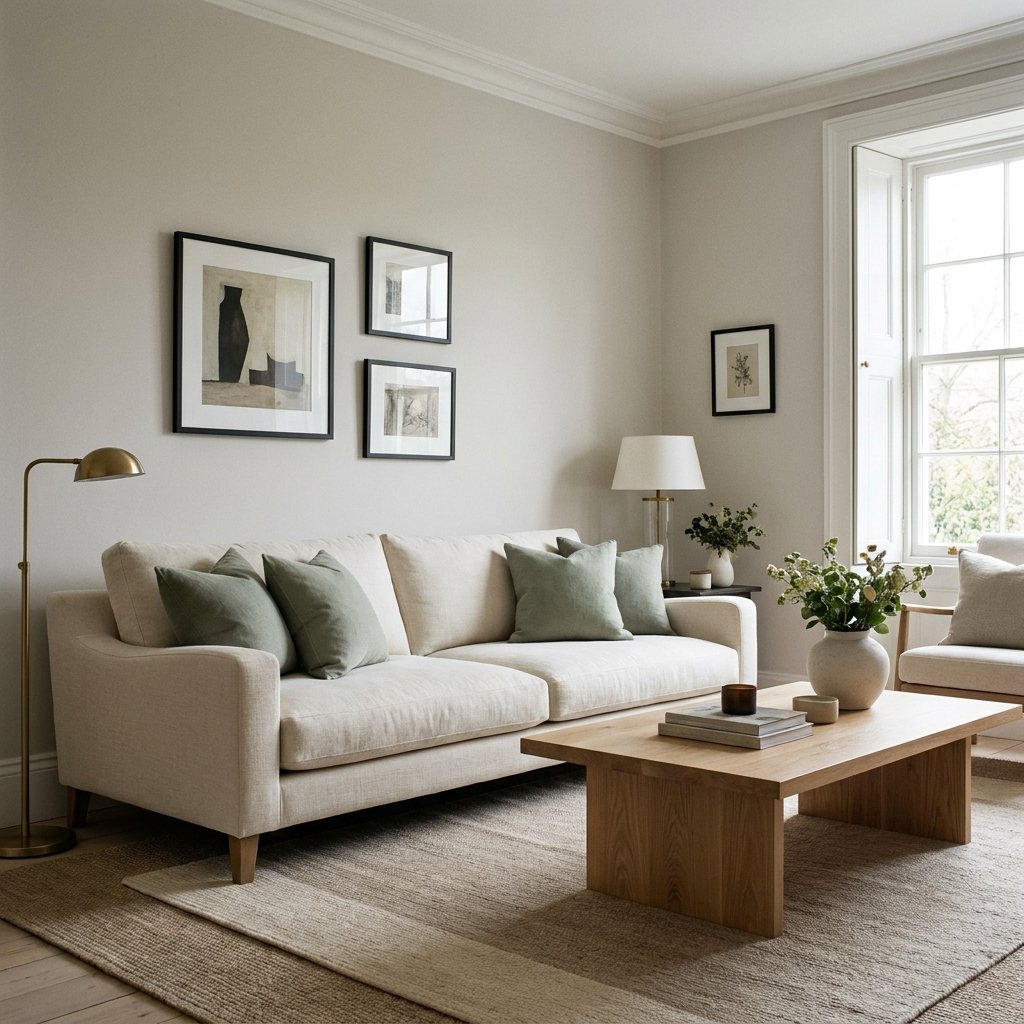
Try it with:
- Cream sofa
- Natural linen
- Warm wood
- Black accents
- Muted blue
- Sage or olive
- Brass
If the room is extremely neutral, introduce texture so the palette doesn’t feel flat.
Classic Gray in a Bedroom
Classic Gray can create a quiet bedroom backdrop without committing to an obvious color.
Pair it with:
- Warm white bedding
- Wood nightstands
- Linen
- Muted blue
- Dusty green
- Charcoal accents
If you want a soft, tonal bedroom, keep the contrast low.
For more definition, add dark wood, black, or a deeper accent color.
Classic Gray in a Kitchen
Classic Gray can work on kitchen walls, particularly when you want something softer than bright white.
But kitchens contain lots of competing undertones.
Compare the paint directly with:
- Cabinets
- Countertops
- Backsplash
- Flooring
- Appliances
Don’t select Classic Gray from a photo of somebody else’s kitchen.
Your countertop alone can dramatically change how a subtle neutral appears.
Does Classic Gray Work With White Kitchen Cabinets?
It can.
A light wall color beside white cabinetry can provide subtle separation without creating dramatic contrast.
The success of the combination depends heavily on the cabinet white.
Place a Classic Gray sample directly beside your actual cabinet finish.
If your cabinets are creamy, cool, or bright white, each combination may read differently.
Can You Use Classic Gray on Kitchen Cabinets?
Benjamin Moore includes Classic Gray among the colors featured in its cabinet and kitchen-cabinet color selections.
Its lightness could create a subtle off-white or very pale greige cabinet appearance rather than an obvious gray kitchen.
Cabinet painting requires more than choosing a color.
Use coatings appropriate for cabinetry and follow the product instructions for cleaning, preparation, primer where needed, application, ventilation, drying, and curing.

Classic Gray in a Bathroom
Classic Gray can provide a soft neutral backdrop in a bathroom.
It may work particularly well with:
- White tile
- Warm stone
- Wood vanity
- Black fixtures
- Brass
- Polished nickel
Benjamin Moore also includes Classic Gray in its bathroom color suggestions.
As always, check the actual tile and countertop undertones.
For bathrooms, choose a paint product and sheen appropriate for the room’s moisture and ventilation conditions.
Classic Gray in a Home Office
A very light neutral can work well in a home office because it provides a quiet backdrop for furniture, shelving, artwork, and video calls.
Benjamin Moore includes Classic Gray among its home-office color selections as well.
Pair it with warm wood for a softer look or black furniture for stronger contrast.
Classic Gray With Wood Floors
Classic Gray can work beautifully with wood, but the type of wood matters.
Light Oak
Can create a pale, natural palette.
Medium Warm Wood
Adds warmth and contrast.
Dark Wood
Creates stronger definition against the light walls.
Orange or Red-Toned Wood
Needs careful sampling because surrounding warmth can influence how the wall color reads.
Never choose a neutral without putting the sample beside the floor.
Classic Gray With Black Accents
Black is an easy way to give a very pale wall color more structure.
Use it through:
- Picture frames
- Lighting
- Curtain rods
- Hardware
- Furniture legs
You don’t need much.
A few repeated dark accents can prevent a pale neutral room from looking washed out.
Classic Gray With Blue
Blue can provide beautiful contrast.
Try:
- Navy
- Dusty blue
- Blue-gray
Deeper blue works especially well when you want Classic Gray to remain the quiet background.
Classic Gray With Green
Muted greens can bring warmth and nature into a Classic Gray room.
Consider:
- Sage
- Olive
- Forest green
Add natural wood and cream for a relaxed palette.
Classic Gray vs. Pale Oak
Benjamin Moore Pale Oak OC-20 is another popular light neutral.
If you’re choosing between the two, don’t rely on descriptions alone.
Sample them side by side.
Classic Gray is officially described by Benjamin Moore as an ultra-light gray/off-white, while Pale Oak is a separate light neutral in the same broader family of soft off-whites and grays.
Comparing the two physically will quickly reveal which has the amount of depth and warmth you want.

Classic Gray vs. Balboa Mist
Balboa Mist OC-27 provides another useful comparison.
Benjamin Moore places both colors among its light neutral and greige selections, but Balboa Mist offers a visibly different level and character of neutral color.
If Classic Gray disappears too much in your room, sampling Balboa Mist can help you determine whether you actually want more depth.
Classic Gray vs. White
This comparison is especially important.
If you originally planned to paint your walls white but they feel too stark, Classic Gray can provide a subtle alternative.
It gives you:
- High light reflectance
- Soft contrast
- A hint more depth
- A less stark appearance
Place Classic Gray beside your favorite white before deciding.
The difference may look much more obvious than either sample does alone.
Is Classic Gray Good for a Whole House?
Potentially.
Its light, understated nature can make it suitable for connecting multiple rooms.
But don’t choose a whole-house color after testing it in only one room.
A paint color can behave differently in:
- North-facing bedroom
- Bright south-facing living room
- Windowless hallway
- Kitchen with white cabinets
Test Classic Gray in several representative areas before buying enough paint for the entire house.
Does Classic Gray Look Dingy?
Any pale neutral can look dull or dingy when its undertones conflict with surrounding materials or when the lighting isn’t flattering.
If Classic Gray doesn’t look good in your room, that doesn’t mean it’s a bad color.
It may simply be the wrong neutral for your finishes.
Compare it with:
- Cleaner off-white
- Warmer greige
- Slightly deeper neutral
The comparison will help reveal what’s wrong.
How to Sample Benjamin Moore Classic Gray Correctly
Benjamin Moore specifically recommends using actual paint samples to evaluate colors as lighting changes.
That’s especially important with a subtle color like Classic Gray.
Try this process:
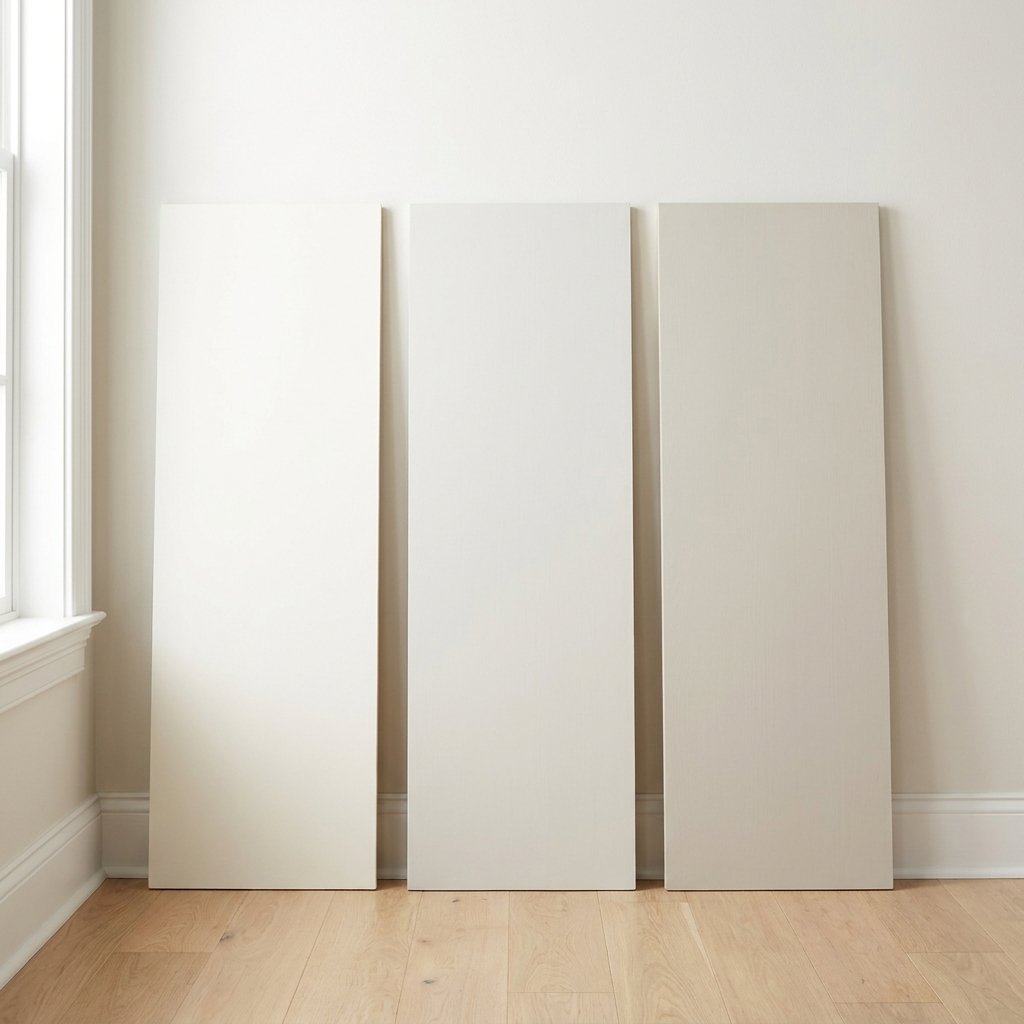
- Get an authentic color sample.
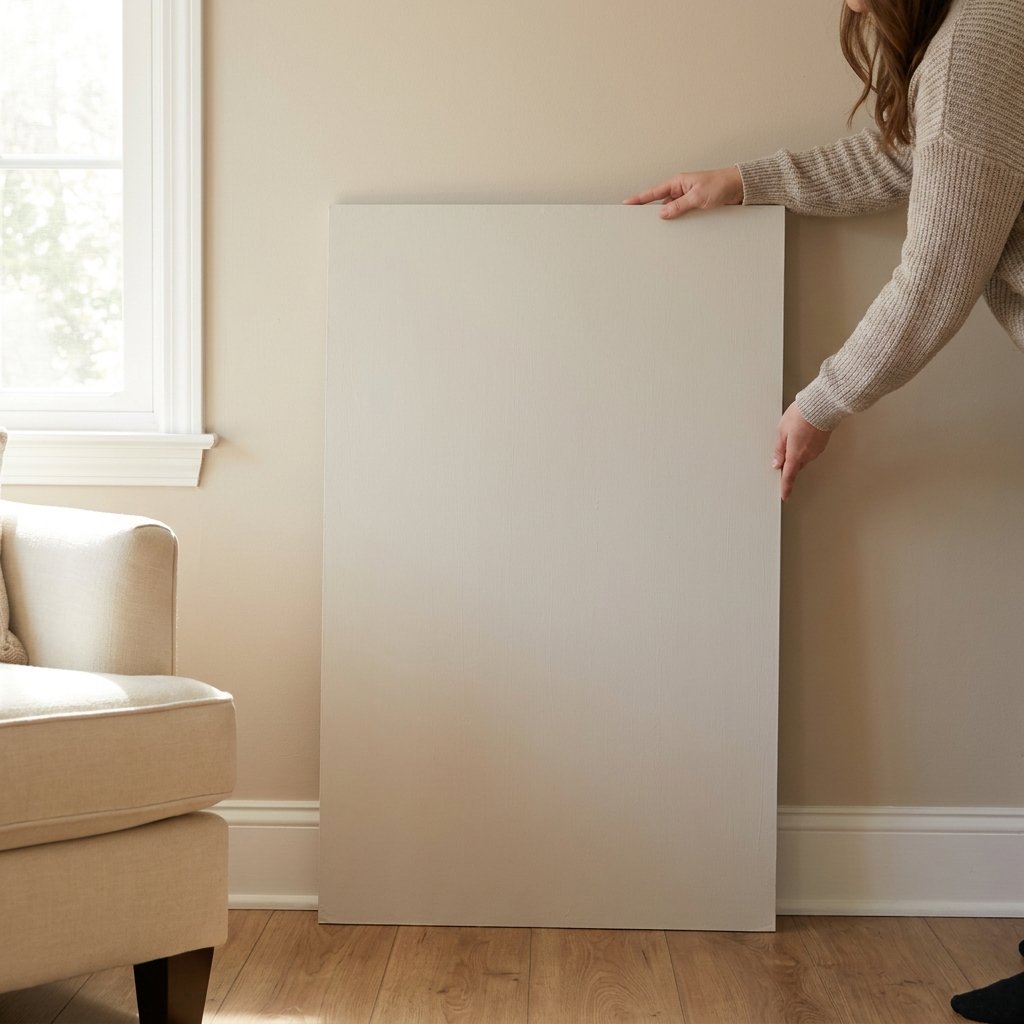
- Apply it to a large sample area or movable sample board.
- View it vertically.
- Move it around the room.
- Compare it with trim.
- Compare it with flooring.
- Compare it with countertops or cabinets where relevant.
- Look at it morning, afternoon, and evening.
- Turn on your normal artificial lighting.
- Live with the sample before deciding.
Don’t judge the color from your phone or computer screen.
Benjamin Moore itself notes that on-screen color representations can differ from actual paint colors.
Common Mistakes When Choosing Classic Gray
Expecting an Obvious Gray
Classic Gray is extremely light and can function more like an off-white.
Choosing It From Online Photos
Screens and photography alter paint colors.
Ignoring the Trim White
The trim changes how you perceive the wall color.
Assuming a High LRV Will Fix a Dark Room
Paint reflects available light; it doesn’t create it.
Not Testing Beside Flooring
Wood and tile can change the way a neutral appears.
Testing a Tiny Swatch
Larger samples make subtle undertones easier to evaluate.
Looking at the Sample Only at Noon
Check it throughout the day.
Copying Someone Else’s Color Combination
Their lighting and fixed finishes aren’t yours.
Who Should Consider Classic Gray?
Classic Gray may be worth sampling if you want:
- Very light neutral walls
- Something softer than stark white
- A pale warm gray
- Subtle greige
- Light whole-house neutral
- Quiet backdrop for furniture and art
Who Might Want Something Else?
You may prefer another color if you want:
- Clearly visible gray
- Dramatic contrast
- Deep greige
- Strong beige
- Noticeable wall color
If Classic Gray looks almost white in your room and you wanted more definition, move a little deeper rather than trying to convince yourself you’ll notice the difference after painting everything.
A Simple Classic Gray Color Palette
Try this easy combination:
Walls
Benjamin Moore Classic Gray OC-23.
Trim
A compatible white tested in the room.
Wood
Natural oak or medium warm wood.
Main Upholstery
Cream or warm neutral.
Contrast
Black or charcoal.
Accent
Muted sage, olive, or navy.
This gives the subtle wall color enough contrast to feel intentional.
FAQ About Benjamin Moore Classic Gray
What color is Benjamin Moore Classic Gray?
Benjamin Moore describes Classic Gray OC-23 as an ultra-light gray that can also function as an off-white.
What is the LRV of Classic Gray?
Benjamin Moore lists Classic Gray with an LRV of 73.67.
Is Classic Gray warm or cool?
Classic Gray generally reads as a warm, very light gray or greige rather than a strongly cool gray, although lighting and surrounding materials can influence its appearance.
Is Benjamin Moore Classic Gray a greige?
It can function as a very light greige. Benjamin Moore includes Classic Gray in its greige guidance while also categorizing OC-23 within its Off White Collection.
Does Classic Gray look white?
It can look close to an off-white, particularly in bright rooms. Comparing it directly with a cleaner white makes its subtle depth easier to see.
Is Classic Gray good for north-facing rooms?
It can be worth sampling because its relative warmth may balance cooler natural light, but every north-facing room is different.
Does Classic Gray work with white cabinets?
Potentially. Compare it directly with the actual cabinet white because different whites can change how Classic Gray appears.
Can Classic Gray be used on cabinets?
Yes, Benjamin Moore includes Classic Gray among its cabinet color suggestions. Use an appropriate cabinet coating system and follow the manufacturer’s preparation and cure instructions.
What colors coordinate with Classic Gray?
Benjamin Moore lists Super White OC-152 and Sterling 1591 among the coordinating colors on its U.S. Classic Gray page. Other combinations should be tested against your actual finishes.
Final Thoughts
Benjamin Moore Classic Gray OC-23 is one of those paint colors whose name doesn’t tell the entire story.
If you’re expecting a traditional gray, it may surprise you.
Benjamin Moore describes it as an ultra-light gray that can also function as an off-white, and with an LRV of 73.67, it sits firmly on the lighter end of the spectrum.
That’s exactly what makes it useful.
Classic Gray can provide just enough depth to soften a room when white feels too stark without committing you to an obviously gray wall.
It can work in living rooms, bedrooms, kitchens, bathrooms, offices, and potentially throughout a house.
But subtle neutrals require careful sampling.
The wood floor in one home may bring out warmth.
Cool natural light may make the same color feel grayer.
Bright southern exposure may wash it closer to off-white.
And your choice of trim can completely change the amount of contrast you see.
So don’t choose Classic Gray because it looks perfect in someone else’s photograph.
Sample it because its general characteristics sound right for your home.
Then put that sample beside your actual flooring, trim, cabinets, countertops, furniture, and fabrics.
Look at it throughout the day.
Compare it with at least one cleaner white and one slightly deeper neutral.
If Classic Gray continues to look good through all those comparisons, you’ve probably found exactly what this color does best: a quiet, versatile backdrop that sits comfortably between white and gray.