

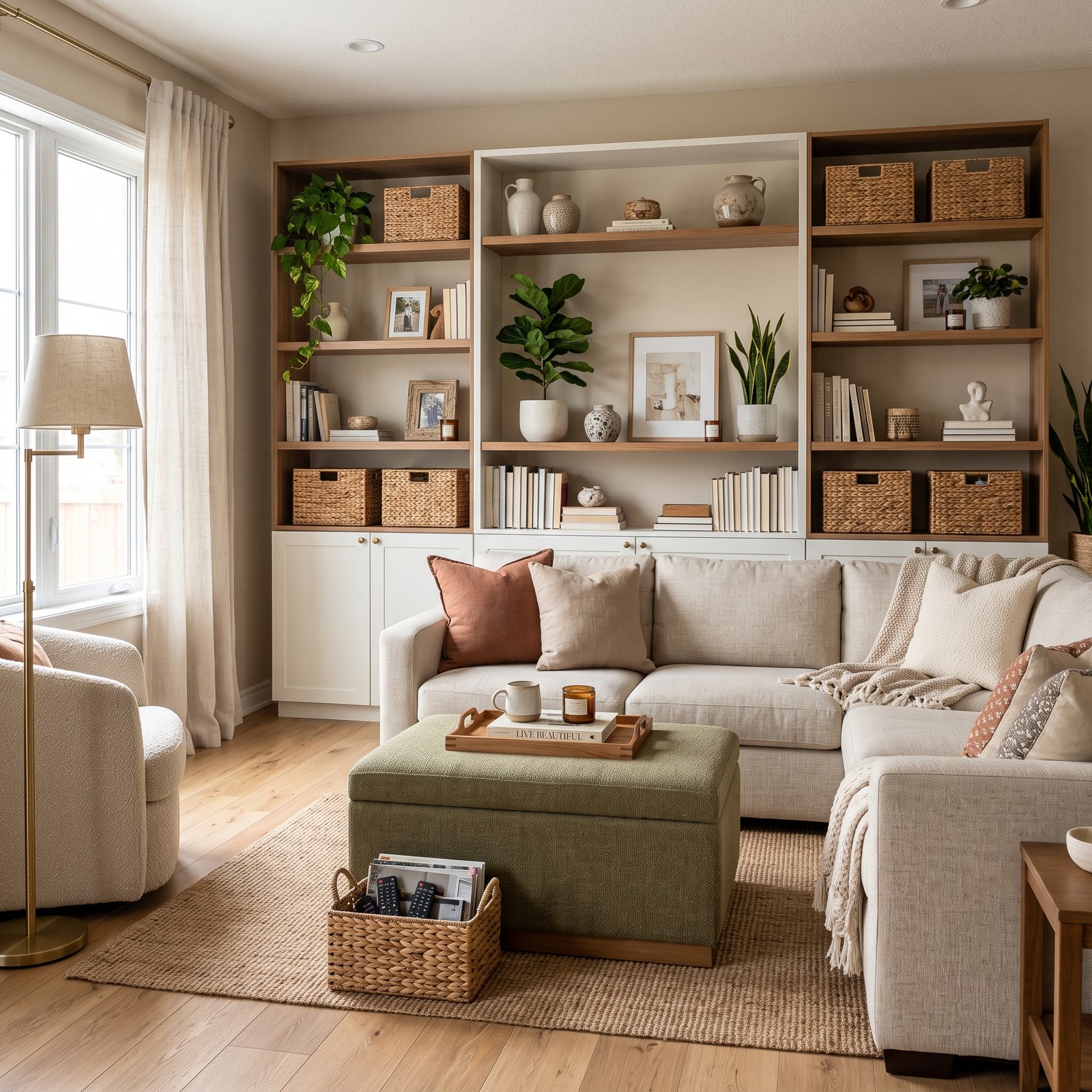
An accent wall can completely change the look and feel of a room without requiring a full makeover. Whether you want to add a bold paint color, introduce a cozy wallpaper pattern, create a modern wood feature, or simply give one wall more visual interest, an accent wall can become a beautiful focal point in your home.
However, not every accent wall works.
Choosing the wrong wall, using a color that doesn’t complement the room, or adding too many competing patterns can make the space feel unbalanced. That’s why knowing how to do an accent wall the right way is so important.
The good news is that creating an accent wall doesn’t have to be complicated. With the right wall, color, materials, and preparation, you can create a feature that looks intentional and professionally designed.
In this guide, you’ll learn how to choose the best wall, select the right color or material, prepare the surface, apply your accent treatment, and avoid common mistakes.

What Is an Accent Wall?
An accent wall is a single wall that is intentionally designed to stand out from the other walls in a room.
The difference can come from:
- Paint color
- Wallpaper
- Wood paneling
- Board and batten
- Shiplap
- Stone
- Brick
- Decorative molding
- Textured materials
The idea is to create a focal point without treating every wall in the room the same way.
An accent wall can be subtle or dramatic.
For example, a soft beige wall in an otherwise white room can create a warm, understated effect. On the other hand, a deep green, navy, charcoal, or patterned wallpaper can create a much stronger statement.
The key is making sure the accent wall feels connected to the rest of the room.
Why Add an Accent Wall?
There are several reasons homeowners choose to create accent walls.
Add Personality
An accent wall gives you an opportunity to introduce a color or pattern you love without committing the entire room to it.
Create a Focal Point
The right accent wall naturally draws attention to an important feature.
Define a Space
In an open-concept home, an accent wall can visually separate a dining area, home office, or living space.
Make a Room Feel More Interesting
Even a simple room can feel much more finished when one wall has an intentional design feature.
Refresh a Room Without a Full Renovation
Painting or decorating one wall is generally much easier than completely redecorating a room.
Step 1: Choose the Right Wall
This is arguably the most important decision you’ll make.
The best accent wall is usually a wall that naturally deserves attention.
Look for architectural or functional features such as:
- Fireplace walls
- Headboard walls
- Television walls
- Walls behind a sofa
- Dining room focal walls
- Entryway walls
- Walls with interesting architectural details
Ask yourself:
“Where does my eye naturally go when I enter this room?”
That can help you identify the strongest candidate.
You generally don’t want to choose a random wall simply because it’s empty.
An accent wall should have a reason to stand out.
Step 2: Consider the Room’s Architecture
Look at the shape and features of the room before deciding on your accent wall.
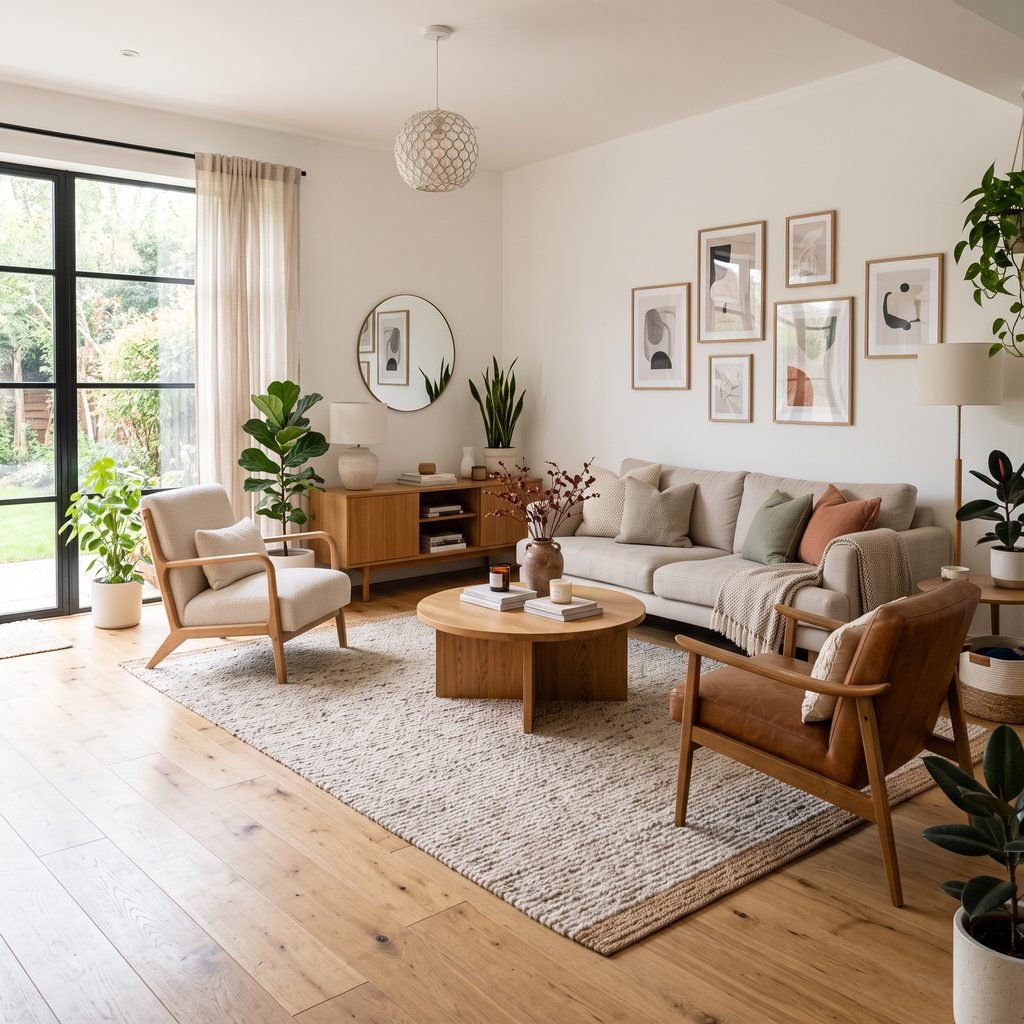
A wall with a fireplace, built-in shelving, or interesting architectural details can be an excellent choice because the feature already creates visual interest.
In a bedroom, the wall behind the bed is often a natural focal point.
In a living room, the fireplace wall or television wall may make sense.
In a dining room, the wall behind the dining table can work beautifully.
The goal is to enhance something that already exists rather than forcing attention toward a wall that doesn’t have a natural purpose.
Step 3: Decide What Type of Accent Wall You Want
Accent walls don’t have to be painted.
Before choosing your materials, decide what overall look you want.
Painted Accent Wall
This is the simplest and most affordable option.
You can use a bold color, muted neutral, earthy tone, or even a two-tone design.
Wallpaper Accent Wall
Wallpaper is excellent for adding pattern and personality.
It can work particularly well in bedrooms, powder rooms, dining rooms, and entryways.
Wood Accent Wall
Wood slats, paneling, or reclaimed wood can add warmth and texture.
Board and Batten
This is a popular option for creating architectural detail with relatively simple materials.
Shiplap
Shiplap can create a relaxed farmhouse or coastal-inspired look.
Molding Accent Wall
Decorative molding can create an elegant, sophisticated feature without relying on a dramatic color.
Step 4: Choose an Accent Color
If you’re painting your accent wall, choosing the right color is critical.
Start by looking at the colors already present in your room.
Consider:
- Sofa color
- Rug
- Curtains
- Flooring
- Artwork
- Decorative accessories
- Furniture
- Natural lighting
Your accent color doesn’t necessarily need to match everything exactly.
Instead, it should coordinate with the existing color palette.
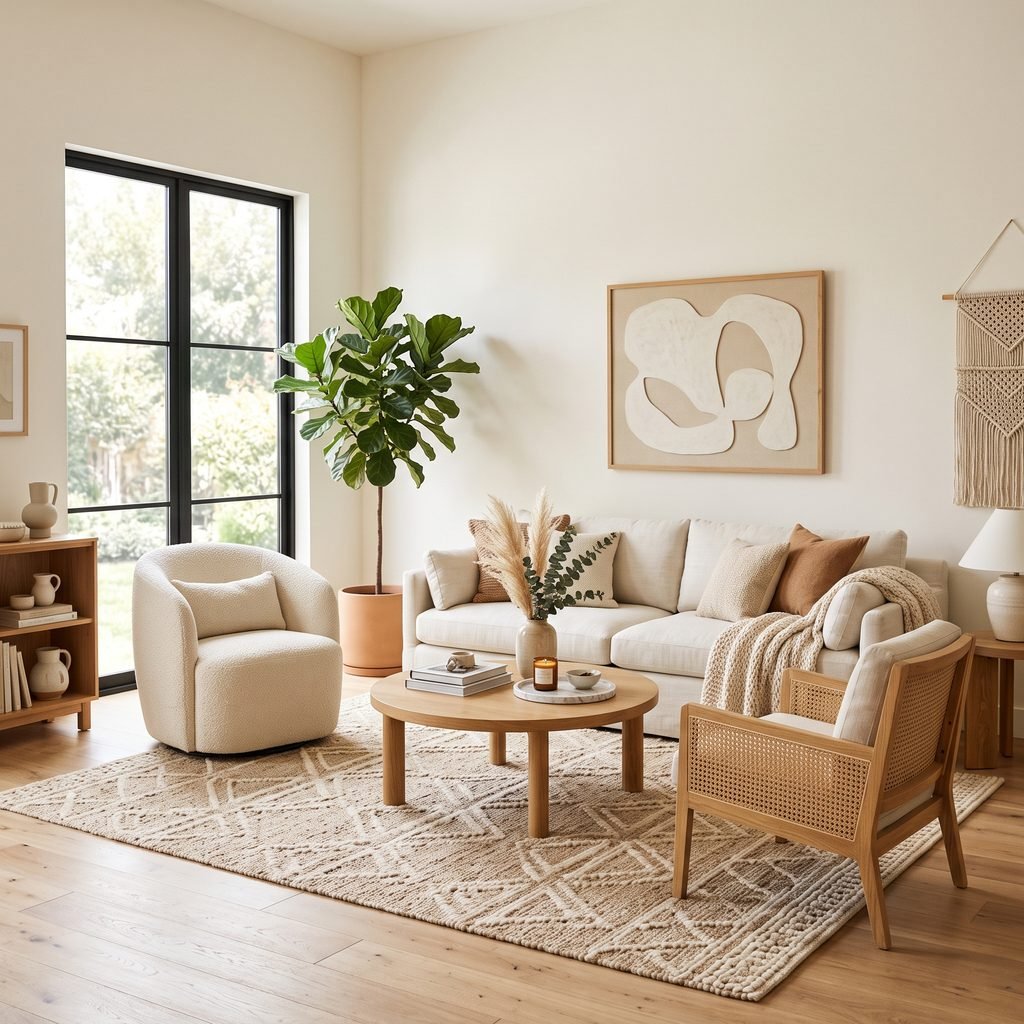
For example, if your room contains warm beige, cream, and natural wood, an earthy olive green or warm terracotta may work beautifully.
If your room is mostly cool gray and white, navy or a muted blue might complement it.
Step 5: Don’t Automatically Choose the Darkest Color
A common misconception is that an accent wall has to be dramatically darker than the rest of the room.
That’s not true.
An accent wall can be:
- Slightly darker
- Slightly lighter
- Warmer
- Cooler
- More saturated
- Patterned
- Textured
For a subtle look, choose a color that’s only a few shades different from the surrounding walls.
For a dramatic look, choose a strong contrasting color.
The right choice depends on your room and decorating style.
Step 6: Test Your Color
Never rely entirely on a tiny paint swatch.
Paint colors can look dramatically different depending on:
- Natural light
- Artificial lighting
- Time of day
- Room orientation
- Existing wall colors
- Flooring
- Furniture
Purchase a sample and test it on the wall.
Look at it in the morning, afternoon, and evening.
If possible, place the sample near your furniture and flooring so you can see how everything interacts.
Step 7: Prepare the Wall
Good preparation is what separates a professional-looking accent wall from a messy one.
Before painting or applying another treatment, inspect the wall.
Look for:
- Nail holes
- Cracks
- Dents
- Dust
- Grease
- Peeling paint
- Uneven areas
Fill small holes and imperfections with appropriate wall filler.
Once dry, sand the repaired areas smooth.
Remove dust from the surface before painting.
If the existing wall has a glossy finish, you may need to lightly sand or otherwise prepare it according to the paint manufacturer’s recommendations.
Step 8: Clean the Wall
Even if the wall looks clean, wipe away dust and dirt before beginning.
Pay special attention to:
- Around light switches
- Near doorways
- Behind furniture
- Around baseboards
Allow the wall to dry completely before painting.
A clean surface helps the new finish adhere properly and gives you a smoother result.
Step 9: Protect the Room
Move furniture away from the wall.
Cover floors with drop cloths.
Use painter’s tape around:
- Baseboards
- Door trim
- Window trim
- Outlets
- Switches
- Adjacent walls
Press the tape down firmly along the edges.
This helps create clean, sharp lines.
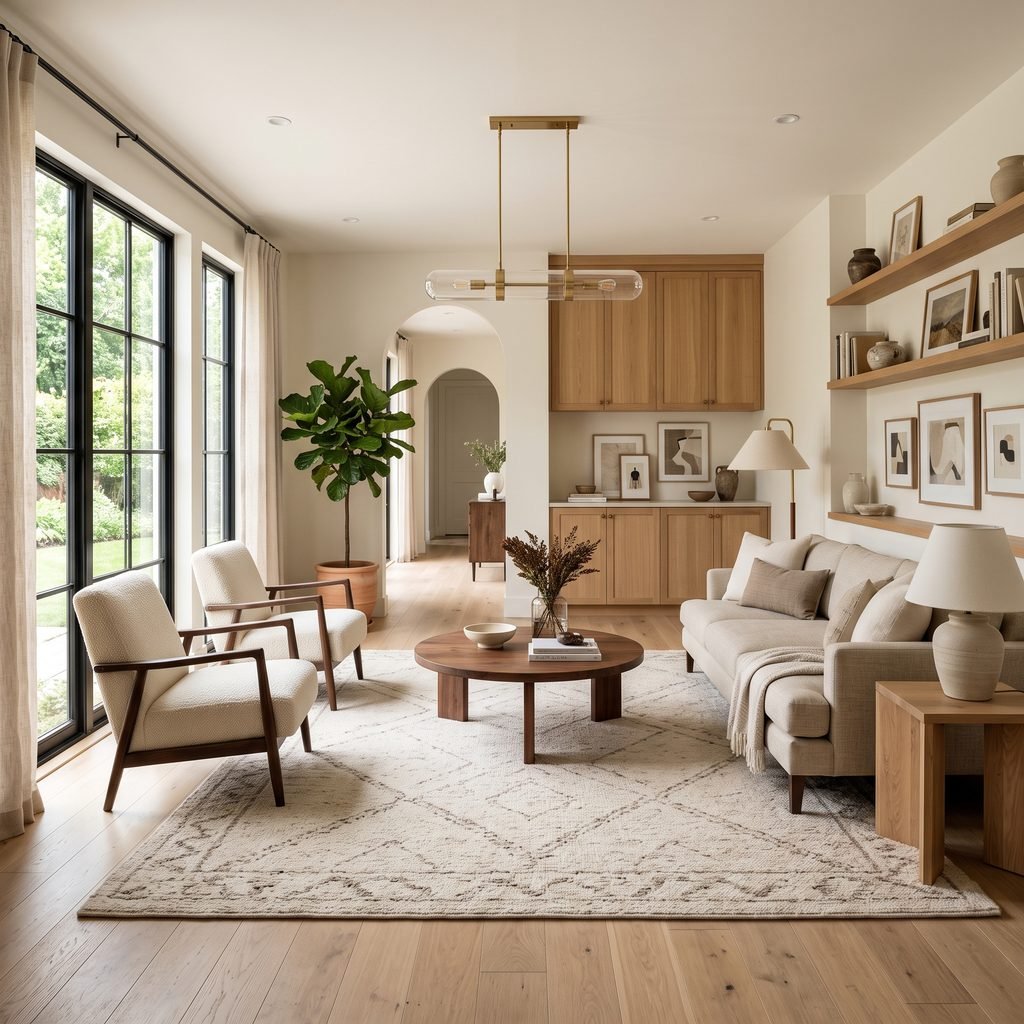
Step 10: Prime When Necessary
Whether you need primer depends on the existing wall and the new color.
Primer can be particularly useful when:
- The existing wall is very dark
- You’re painting over a strong color
- The wall has stains
- The surface is patched
- You’re changing from glossy paint
- You’re using a color that requires a specific base
Follow the paint manufacturer’s recommendations.
If you’re painting a similar color over a clean, sound wall, a separate primer coat may not always be necessary.
Step 11: Cut In the Edges
Before rolling the main surface, use a quality brush to “cut in” around the edges.
Carefully paint along:
- Ceiling
- Baseboards
- Corners
- Doors
- Windows
- Outlets
Work slowly.
A steady hand and good brush can make a significant difference in the final appearance.
Don’t overload the brush with paint.
A controlled application is much easier than trying to fix drips later.
Step 12: Roll the Paint Onto the Wall
Once the edges are finished, use a roller to cover the larger areas.
Start near the top and work downward.
Apply paint in manageable sections.
Don’t press the roller excessively hard against the wall.
Allow the roller to distribute the paint evenly.
Maintaining a consistent technique helps reduce visible roller marks.
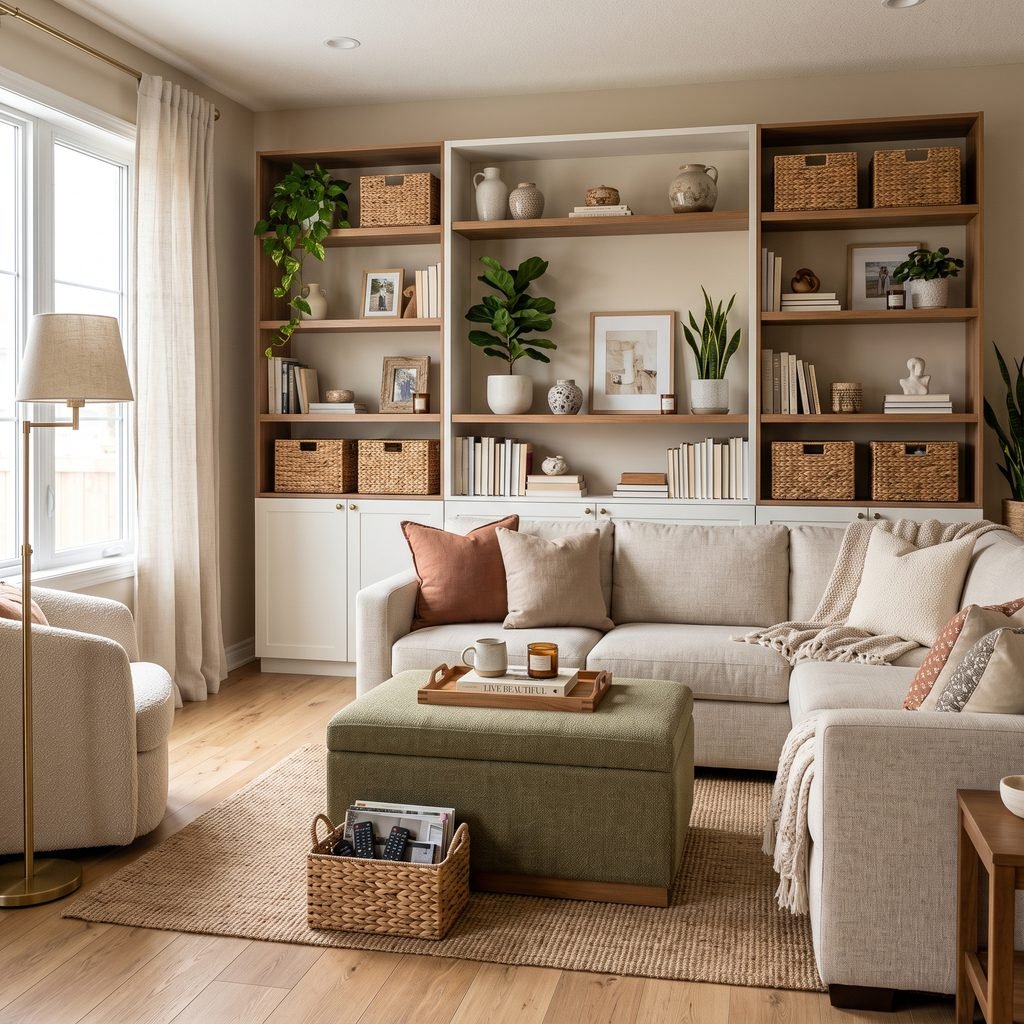
Step 13: Apply a Second Coat if Needed
One coat isn’t always enough.
The final coverage depends on:
- Paint color
- Existing wall color
- Paint quality
- Surface condition
- Application technique
Allow the first coat to dry according to the paint manufacturer’s instructions.
Then evaluate the coverage.
If the color looks uneven or the original wall is still visible, apply another coat.
Two thin, even coats often look better than trying to apply one extremely thick coat.
Step 14: Remove Painter’s Tape Carefully
Don’t leave the tape in place indefinitely.
Remove it carefully according to the paint’s drying instructions.
Pull the tape slowly and at a controlled angle.
If the paint has dried firmly over the tape edge, carefully scoring the edge with a suitable tool can help prevent peeling.
Take your time around corners and trim.
Step 15: Add the Finishing Touches
Once your accent wall is finished, return the furniture to the room.
Then consider whether the wall needs additional decor.
Depending on your design, you might add:
- Artwork
- Mirror
- Floating shelves
- Wall sconces
- Family photos
- Decorative objects
- Plants
But don’t feel obligated to fill the wall.
Sometimes the accent color or texture is enough.
A successful accent wall should complement the room—not compete with everything else in it.
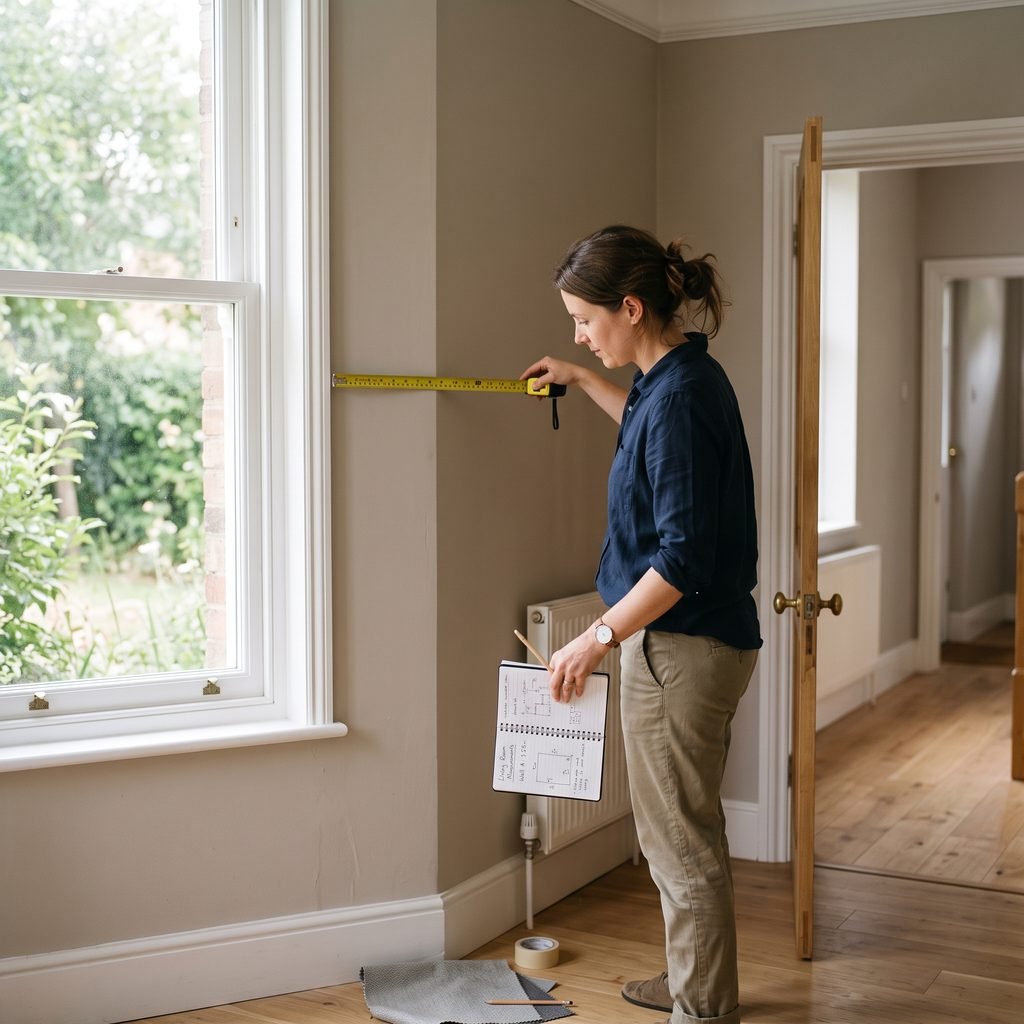
Accent Wall Ideas for Every Room
Living Room Accent Wall
Try a deep earthy color, textured wallpaper, wood slats, or a fireplace feature wall.
The wall behind the sofa or television can work well, depending on the room’s layout.
Bedroom Accent Wall
The wall behind the bed is usually the most natural choice.
Consider muted green, blue, warm taupe, textured wallpaper, or wood paneling for a relaxing atmosphere.
Dining Room Accent Wall
Dining rooms can handle stronger colors and patterns.
Try deep green, navy, warm terracotta, wallpaper, or decorative molding.
Home Office Accent Wall
A home office can benefit from a calming or energizing color.
Muted green, blue, beige, or charcoal can create a sophisticated workspace.
Entryway Accent Wall
An entryway is a great place to experiment with personality.
Wallpaper, bold paint, molding, or a gallery wall can create a memorable first impression.
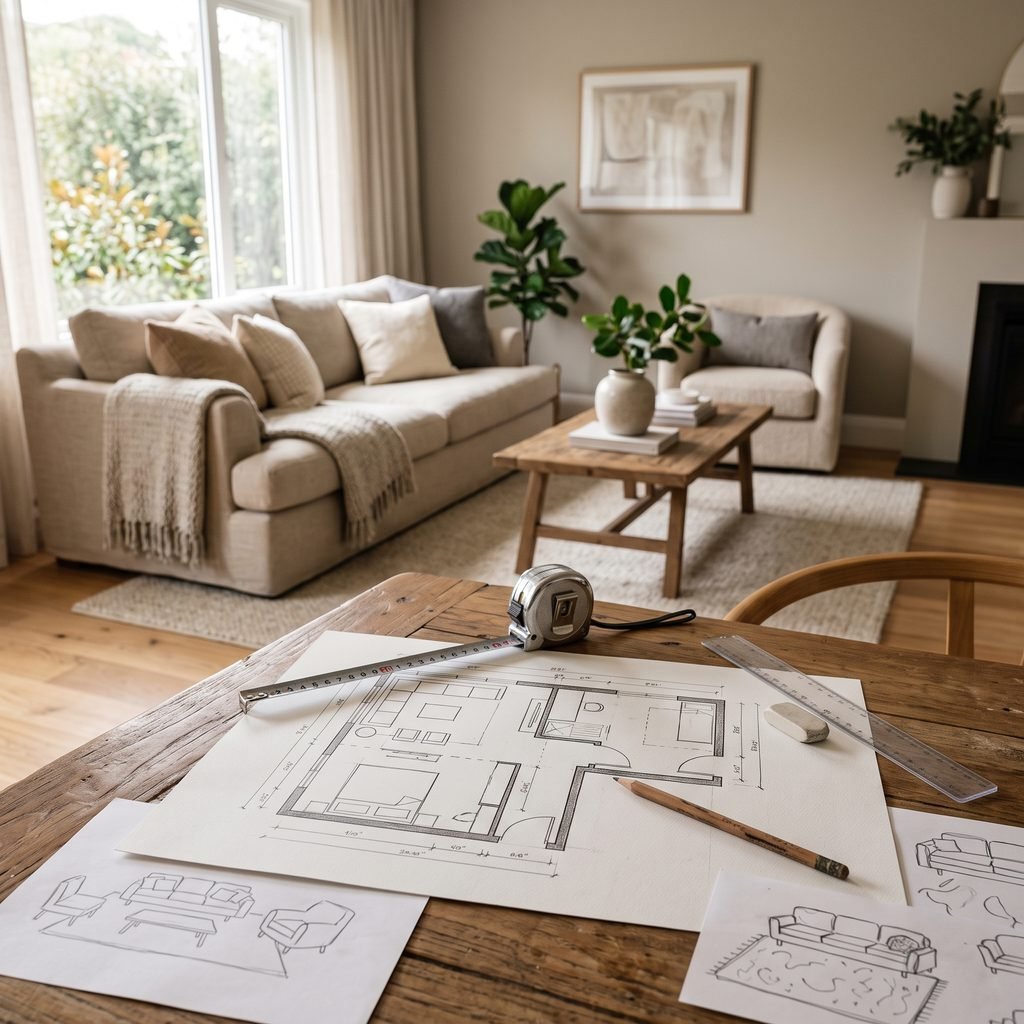
How to Choose the Best Accent Wall Color
If you’re struggling to choose a color, start with something already present in your room.
For example:
Green
Works beautifully with natural wood, cream, beige, and plants.
Blue
Can create a calm and sophisticated atmosphere.
Terracotta
Adds warmth and works especially well with earthy interiors.
Navy
Creates dramatic contrast while remaining classic.
Charcoal
Can give a modern room a sophisticated appearance.
Warm Beige
Ideal for a subtle accent wall that adds dimension without overwhelming the room.
Black
A dramatic choice that works best when balanced with sufficient light and lighter surrounding elements.
Common Accent Wall Mistakes to Avoid
1. Choosing a Random Wall
Not every wall needs to become an accent wall.
Choose one that naturally works as a focal point.
2. Ignoring Natural Light
A color can look completely different in a dark room compared with a bright room.
3. Choosing a Color That Doesn’t Relate to the Room
Your accent wall should connect visually with the rest of your decor.
4. Creating Too Many Accent Walls
If every wall is competing for attention, none of them feels special.
Generally, choose one primary accent wall per room unless the design intentionally calls for something different.
5. Skipping Surface Preparation
Uneven walls, holes, dust, and peeling paint can show through your finished project.
6. Using Too Much Decor
Don’t cover up the feature you’re trying to create.
7. Forgetting the Ceiling and Trim
The surrounding elements affect how your accent wall looks.
Consider whether your existing trim color complements your chosen design.
Should an Accent Wall Be Darker or Lighter?
It can be either.
A darker accent wall can create drama and make a focal point feel stronger.
A lighter accent wall can add subtle contrast and make the room feel brighter.
The right choice depends on your goals.
If your room is already full of strong colors and patterns, a subtle accent may work better.
If the room is mostly neutral, a deeper color can create a beautiful focal point.
Can a Small Room Have an Accent Wall?
Absolutely.
A small room can benefit from an accent wall as long as the color and treatment are chosen carefully.
A dark accent wall doesn’t automatically make a small room feel smaller.
In fact, it can create depth and make the space feel more intentional.
The key is balancing the accent wall with lighter surrounding walls, appropriate lighting, and furniture that fits the room.
Final Thoughts
Learning how to do an accent wall the right way isn’t simply about choosing a pretty paint color.
The most successful accent walls begin with choosing the right wall and understanding how it relates to the room’s architecture, furniture, lighting, and overall color palette.
Start by identifying the natural focal point. Decide whether you want paint, wallpaper, wood, molding, or another treatment. Test your colors before committing, prepare the wall properly, and take your time with the application.
And remember: an accent wall doesn’t have to be extremely bold to make an impact.
Sometimes the most beautiful accent walls are subtle—a slightly deeper neutral, a soft earthy tone, or a simple textured treatment that adds dimension without overwhelming the room.
With thoughtful planning and careful preparation, you can create an accent wall that looks intentional, stylish, and perfectly suited to your home.