

A well-organized home doesn’t have to look sterile or overly minimalist. The best organization ideas make your everyday routines easier while keeping your space comfortable, stylish, and inviting.
Whether you’re dealing with a small apartment, overflowing closets, a busy kitchen, or simply too much everyday clutter, a few thoughtful changes can make a surprisingly big difference.
The key is to give everything a designated place and choose storage solutions that work with the way you actually live.
From using baskets and labeled containers to creating clever storage zones in forgotten spaces, these 15 organization ideas can help you create a home that feels calmer and easier to maintain.
1. Use Matching Baskets for Everyday Clutter
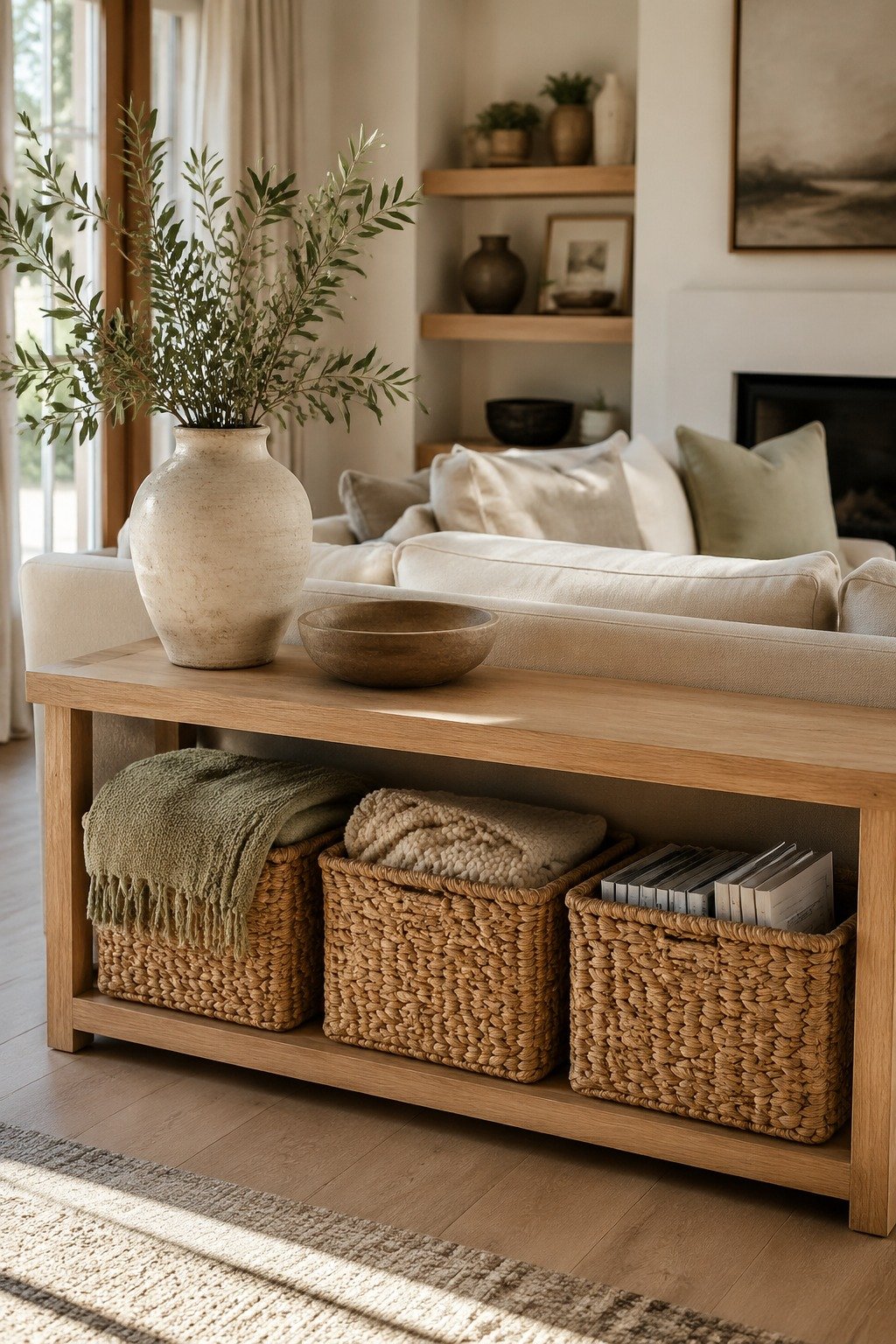
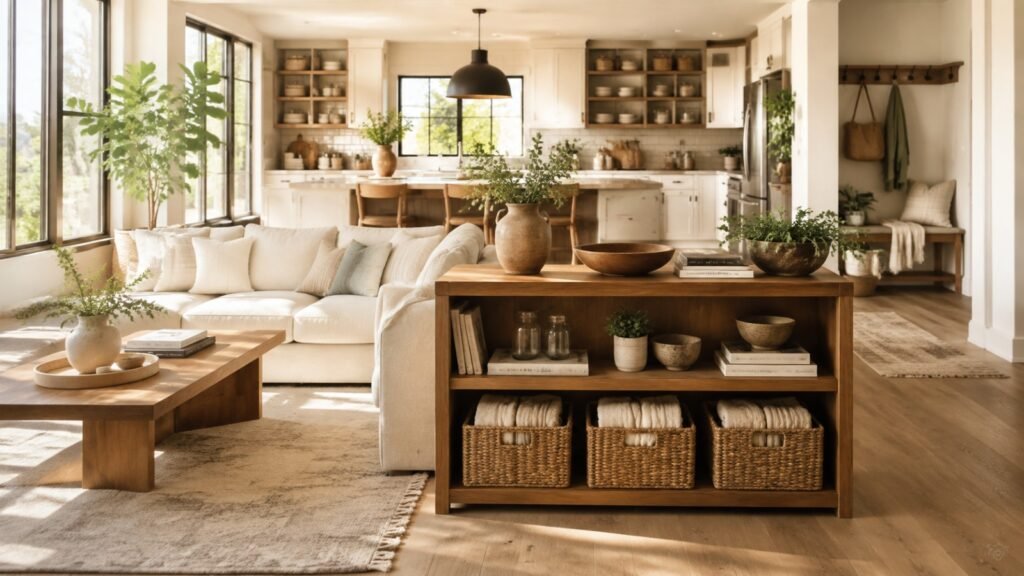
One of the easiest ways to make a room look instantly more organized is to use baskets for items that don’t necessarily need to be displayed.
Place baskets on shelves, underneath consoles, inside cabinets, or in open cubbies. They are particularly useful for blankets, toys, magazines, accessories, and miscellaneous items that tend to accumulate throughout the day.
For a more cohesive look, choose baskets in similar colors or materials. Woven baskets can add warmth to a neutral room, while simple fabric or wire baskets work well in modern spaces.
2. Create a Dedicated Entryway Drop Zone
The entryway is one of the easiest places for clutter to build up.
Keys, shoes, bags, mail, sunglasses, and jackets can quickly turn a clean entrance into a chaotic space.
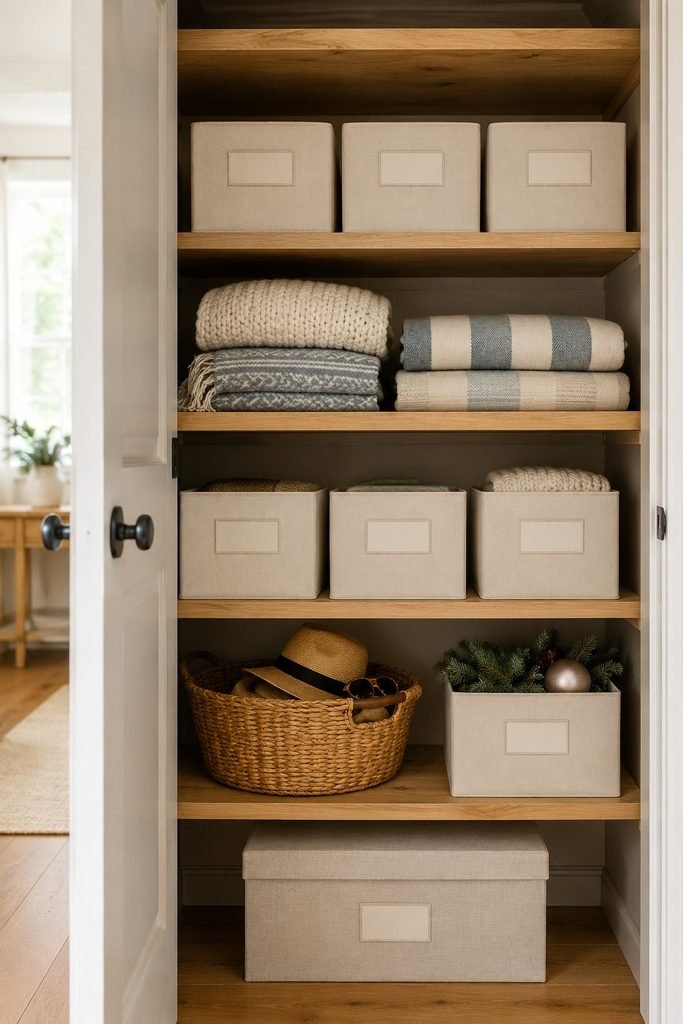
Create a simple drop zone near your front door. A small console table with a tray for keys, hooks for bags, and baskets for shoes can make the area much easier to manage.
If you don’t have a traditional entryway, even a small section of wall can become an organization station.
A few hooks, a narrow shelf, and a small basket may be all you need.
3. Organize Your Kitchen Pantry by Category
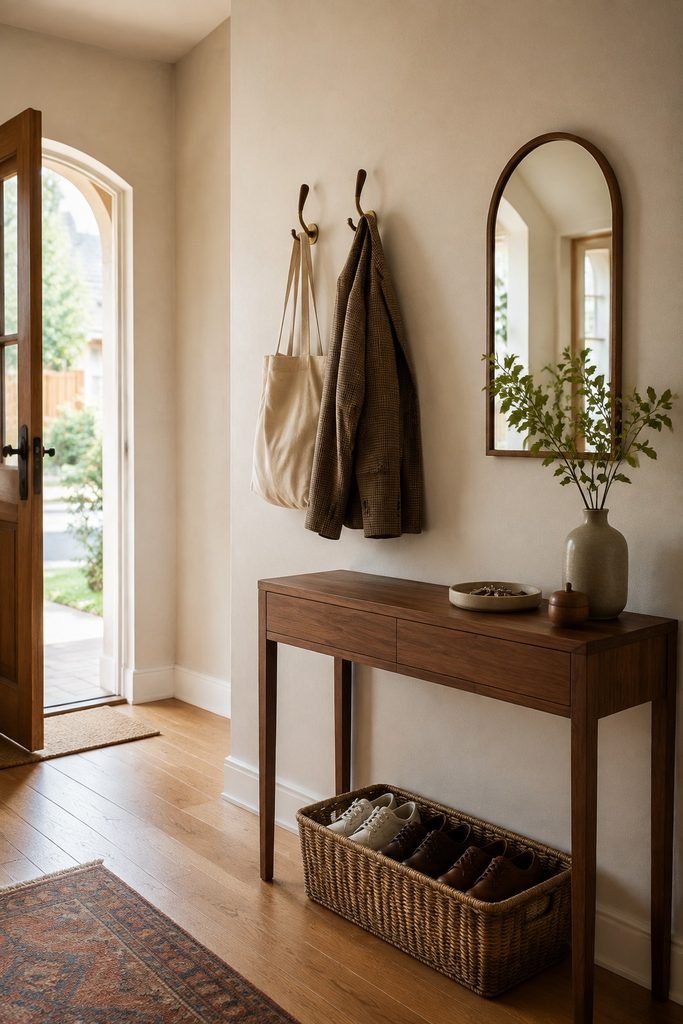
A pantry becomes much easier to maintain when similar foods are stored together.
Instead of placing everything wherever there is space, create simple categories such as:
- Breakfast foods
- Baking supplies
- Pasta and grains
- Snacks
- Canned goods
- Sauces and condiments
Clear containers can be particularly useful for frequently used dry ingredients because you can see exactly what you have.
Use baskets for smaller packages and labels to make everything easy to find.
You don’t need an enormous walk-in pantry either. The same approach works inside a small kitchen cabinet.
4. Take Advantage of Vertical Wall Space
When floor space is limited, look upward.
Walls are often overlooked as potential storage areas, especially in smaller homes.
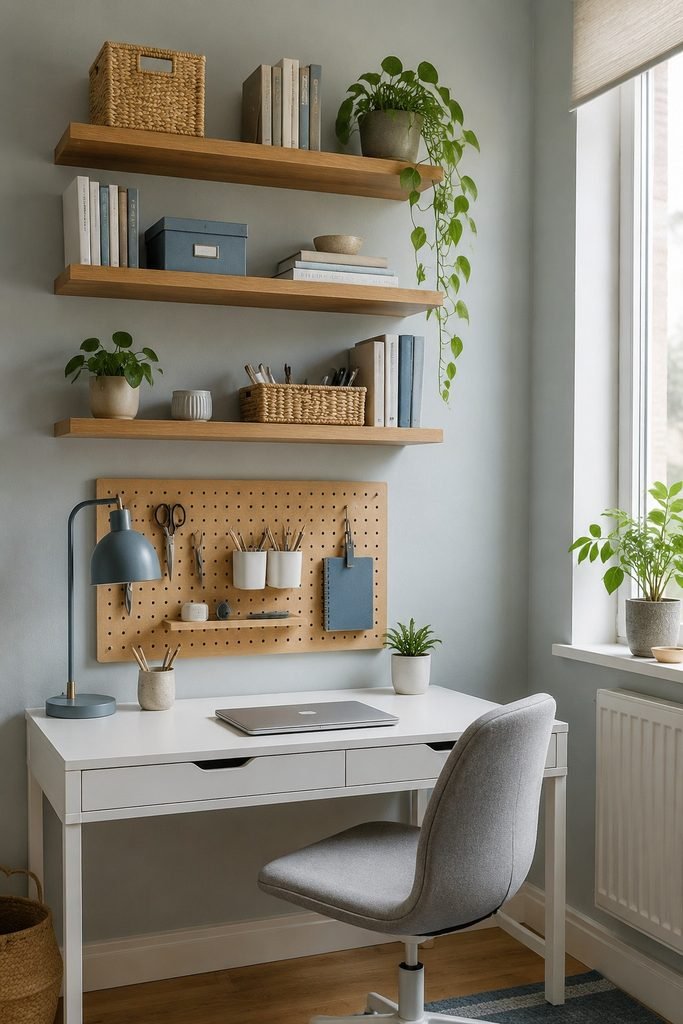
Floating shelves, pegboards, hooks, wall-mounted organizers, and narrow shelving units can add useful storage without taking up much floor space.
This works particularly well in kitchens, home offices, laundry rooms, bathrooms, and entryways.
The trick is to combine functionality with decoration so that the storage becomes part of the room’s design.
5. Use Drawer Dividers
Drawers can look tidy from the outside while hiding an incredible amount of chaos inside.
Drawer dividers are an inexpensive way to separate small items and prevent everything from becoming one large pile.
Use them for:
- Socks
- Underwear
- Accessories
- Kitchen utensils
- Makeup
- Office supplies
- Bathroom essentials
Adjustable dividers are particularly useful because you can change the compartments as your storage needs change.
A good rule is to avoid making every compartment too small. Give frequently used items enough space to be easily removed and returned.
6. Create a Functional Bathroom Organization System
Bathrooms often contain dozens of small products, making them one of the easiest rooms to clutter.
Start by grouping products according to how you use them.
For example, keep everyday skincare together, hair products together, and backup toiletries in a separate container.
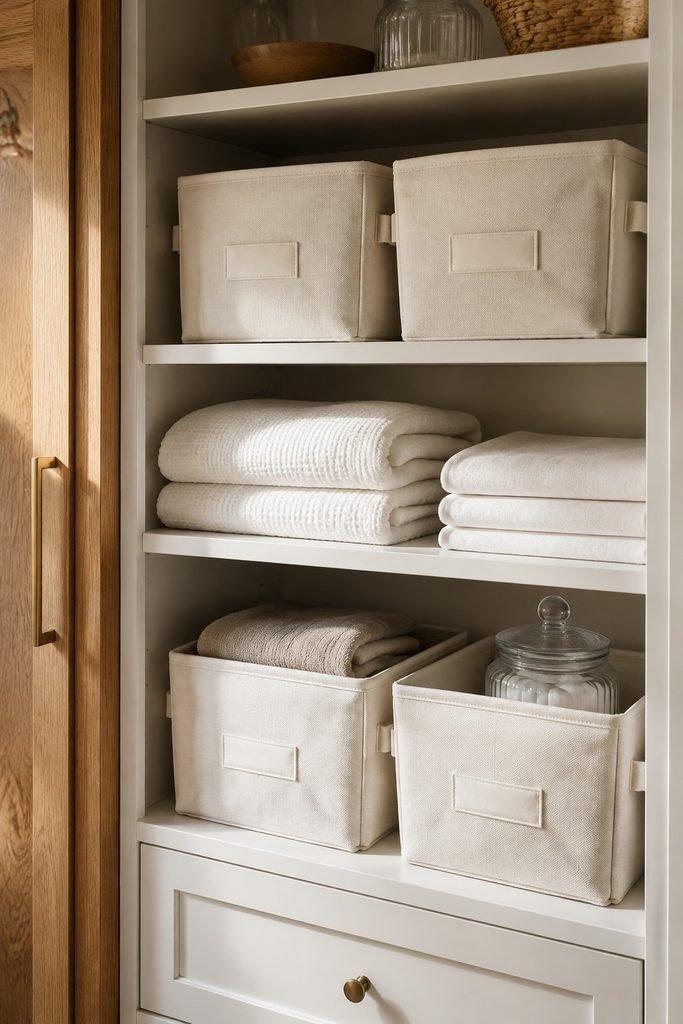
Use small bins inside cabinets to prevent products from getting mixed together.
If your bathroom has open shelving, attractive baskets can hide less attractive items while keeping the room looking clean.
7. Turn the Space Under Your Bed Into Storage
The area underneath your bed is valuable storage real estate.
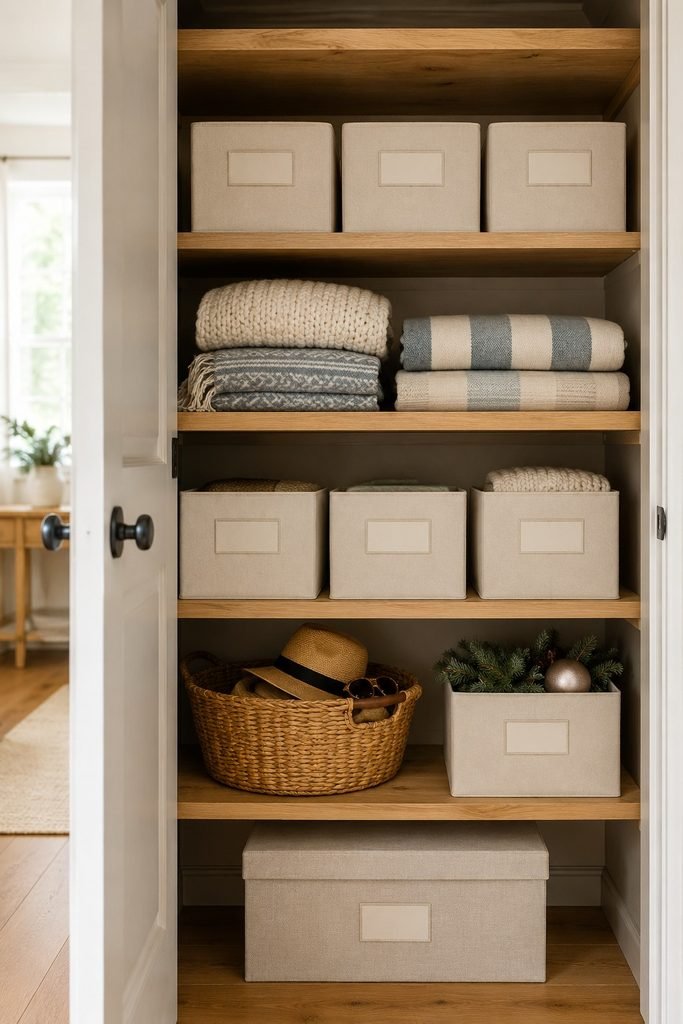
Instead of allowing it to become a dusty place where random objects disappear, use shallow storage containers or boxes.
It’s an excellent location for items you don’t need every day, including:
- Seasonal clothing
- Extra bedding
- Shoes
- Holiday decorations
- Travel bags
Choose containers with lids if possible, especially for clothing and linens.
If you’re purchasing a new bed, consider a design with built-in drawers for an even more streamlined solution.
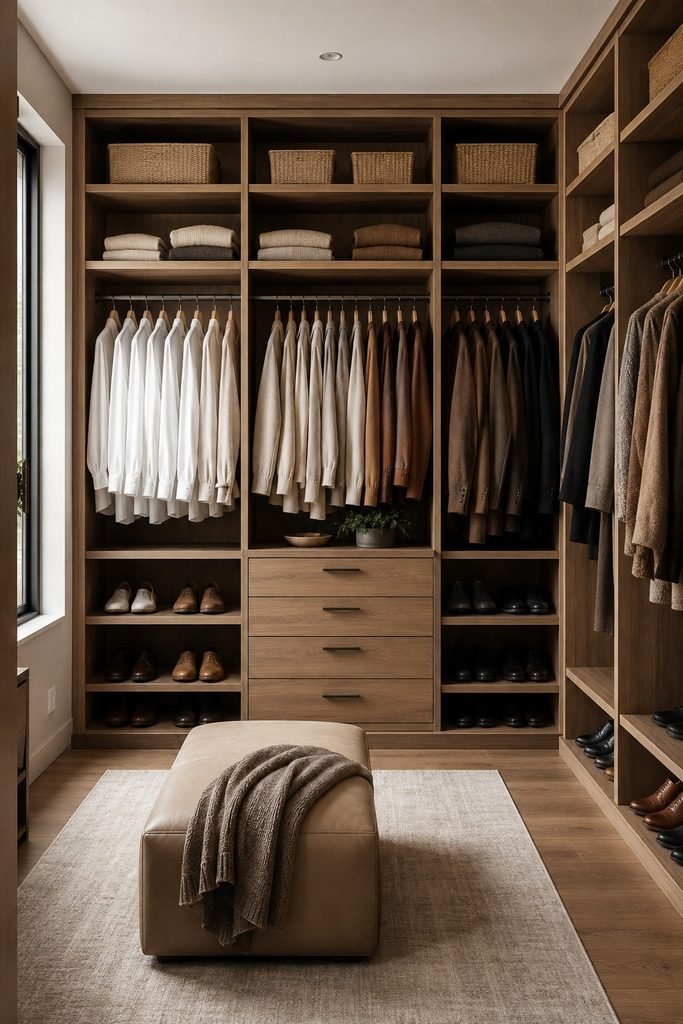
8. Organize Your Closet by Category
A closet becomes much easier to use when clothing is arranged logically.
You might organize clothes by:
Type:
Shirts → pants → dresses → jackets
or by:
Color:
White → beige → gray → black → colors
You can also combine both approaches.
For example, keep all shirts together and arrange them from light to dark.
Matching hangers can also make a surprisingly noticeable difference. They allow clothes to hang at the same height and create a more visually consistent closet.
9. Give Your Cleaning Supplies a Home
Cleaning supplies are often scattered across multiple cabinets and rooms.
Instead, create one dedicated cleaning station.
A small cabinet, laundry room shelf, or rolling utility cart can hold sprays, cloths, brushes, sponges, and other cleaning tools.
Use a caddy for products that you regularly carry from room to room.
You can also use hooks inside a cabinet door to hang cleaning brushes, dusters, or reusable cloths.
Just make sure cleaning products are stored safely and away from children and pets.
10. Use Labels to Keep Storage Systems Working
Labels aren’t just decorative. They can make an organization system much easier to maintain.
Label baskets, pantry containers, storage bins, and drawers so everyone in the household knows where things belong.
This is especially helpful for shared spaces.
Instead of someone asking, “Where does this go?” the label provides the answer.
For a stylish look, use simple labels with consistent typography and colors.
11. Create a Home Office Organization Zone
Even a small desk can become overwhelmed by papers, chargers, notebooks, and stationery.
Create dedicated zones for different types of items.
Use a document holder for paperwork, small containers for stationery, and cable organizers for electronics.
Keep the items you use every day within easy reach and move everything else into drawers or storage boxes.
A clean workspace can also make it easier to concentrate, especially if you work from home.
12. Make Your Kitchen Cabinets Work Harder
Kitchen cabinets often have unused vertical space.
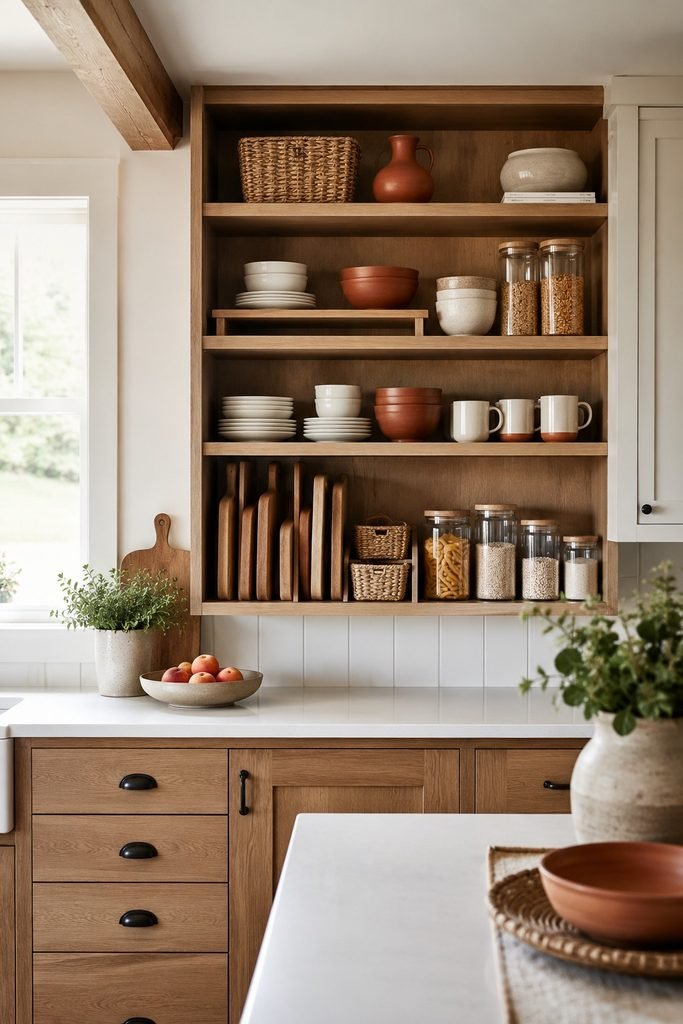
Add shelf risers to create another level for plates, bowls, mugs, or canned foods.
Use cabinet-door organizers for small items such as cutting boards, spices, or cleaning supplies.
Pull-out baskets can also make deep cabinets easier to access because you don’t have to reach behind everything to find what you need.
The goal isn’t to fill every available space.
It’s to make the space you already have more functional.
13. Use a Rolling Cart for Flexible Storage
A rolling cart can solve organization problems in rooms where storage space is limited.
Use one in the kitchen for coffee supplies, in the bathroom for beauty products, in a craft room for supplies, or in a home office for stationery.
The biggest advantage is flexibility.
You can move the cart whenever you need to clean, rearrange the room, or use the supplies somewhere else.
Choose a cart that complements your decor so it looks intentional rather than temporary.
14. Create a Seasonal Storage System
Seasonal decorations, clothing, and accessories can take up a surprising amount of space.
Instead of mixing them with everyday belongings, create dedicated seasonal storage.
Use sturdy containers and clearly label them:
- Christmas
- Halloween
- Summer
- Winter
- Spring
Store the containers in less frequently accessed areas such as the top of a closet, attic, garage, or under-bed storage.
Keeping seasonal items together makes decorating and switching wardrobes much easier.
15. Follow the One-In, One-Out Rule
One of the simplest organization ideas is also one of the most effective.
Whenever you bring a new item into your home, consider removing an old or unused item.
For example:
Buy a new sweater → donate an old sweater.
Buy a new kitchen gadget → consider whether you still need one you rarely use.
Buy a new decorative object → remove something that no longer fits your style.
This prevents your home from gradually becoming overcrowded.
Organization isn’t only about finding better storage solutions. It’s also about controlling how much stuff enters your home in the first place.
Final Thoughts
Creating an organized home doesn’t require an expensive makeover or a perfectly minimalist lifestyle.
Small improvements can make a huge difference.
Start with one problem area rather than trying to organize your entire home in a single weekend. Choose a drawer, closet, pantry, bathroom cabinet, or entryway and give everything inside a logical place.
The best organization ideas are the ones you can actually maintain.
Use baskets to hide everyday clutter, labels to keep systems clear, vertical storage to maximize unused space, and dedicated zones to make frequently used items easier to access.
Most importantly, create systems that match your lifestyle. When everything has a home and that home is easy to access, keeping your space tidy becomes much less difficult.