


A dark living room can feel cozy in the evening, but during the day it may feel smaller, heavier, and less inviting than you want.
Maybe the room has limited windows. Maybe it faces a direction that doesn’t receive much direct sunlight. Perhaps there’s a covered porch outside, mature landscaping near the windows, dark flooring, or simply a combination of finishes that absorb rather than reflect light.
Whatever the reason, brightening a dark living room doesn’t necessarily require adding a new window or painting everything stark white.
The biggest difference usually comes from addressing several smaller things together: paint, window treatments, furniture, lighting, mirrors, textiles, contrast, and visual clutter.
For this living room refresh, the goal is to create a space that feels brighter and more open while still keeping the warmth and character that make a living room comfortable.
If you’re dealing with a room that never seems to get enough natural light, these ideas can help you make the most of the light you already have.

Why Does a Living Room Feel Dark?
Before changing anything, figure out why the room feels dark.
Several factors can contribute.
Limited Natural Light
The most obvious issue is simply not having enough daylight.
The room may have:
- Small windows
- One window
- Deep roof overhangs
- Covered porch outside
- Nearby buildings
- Dense landscaping
Room Orientation
Natural light changes based on the direction the windows face and the time of day.
Some rooms receive strong direct sunlight, while others receive softer, cooler, or more limited light.
Dark Permanent Finishes
Dark flooring, fireplace stone, built-ins, or woodwork can absorb more light visually than pale surfaces.
That doesn’t mean you need to replace them.
It simply means the rest of the room may need to compensate.
Heavy Furniture and Textiles
Dark sofas, large furniture, thick curtains, and dark rugs can collectively make a room feel much heavier.
Inadequate Artificial Lighting
A single overhead fixture rarely provides enough flexible lighting for a living room.
Once I identify what is contributing to the darkness, I can make much more targeted changes.
1. Start With a Lighter Wall Color
Paint is often one of the most affordable ways to make a major visual change.
But the solution isn’t necessarily the brightest white you can find.
In a low-light room, some whites can look dull, gray, or surprisingly cold.
Instead, I prefer to look for a light wall color that works with the room’s permanent finishes.
Depending on the house, that might be:
- Warm white
- Soft off-white
- Pale greige
- Light mushroom
- Very light warm neutral
The important thing is to test the paint in the actual room.
A color that looks bright in a sunny inspiration photo can behave very differently in a living room with limited daylight.
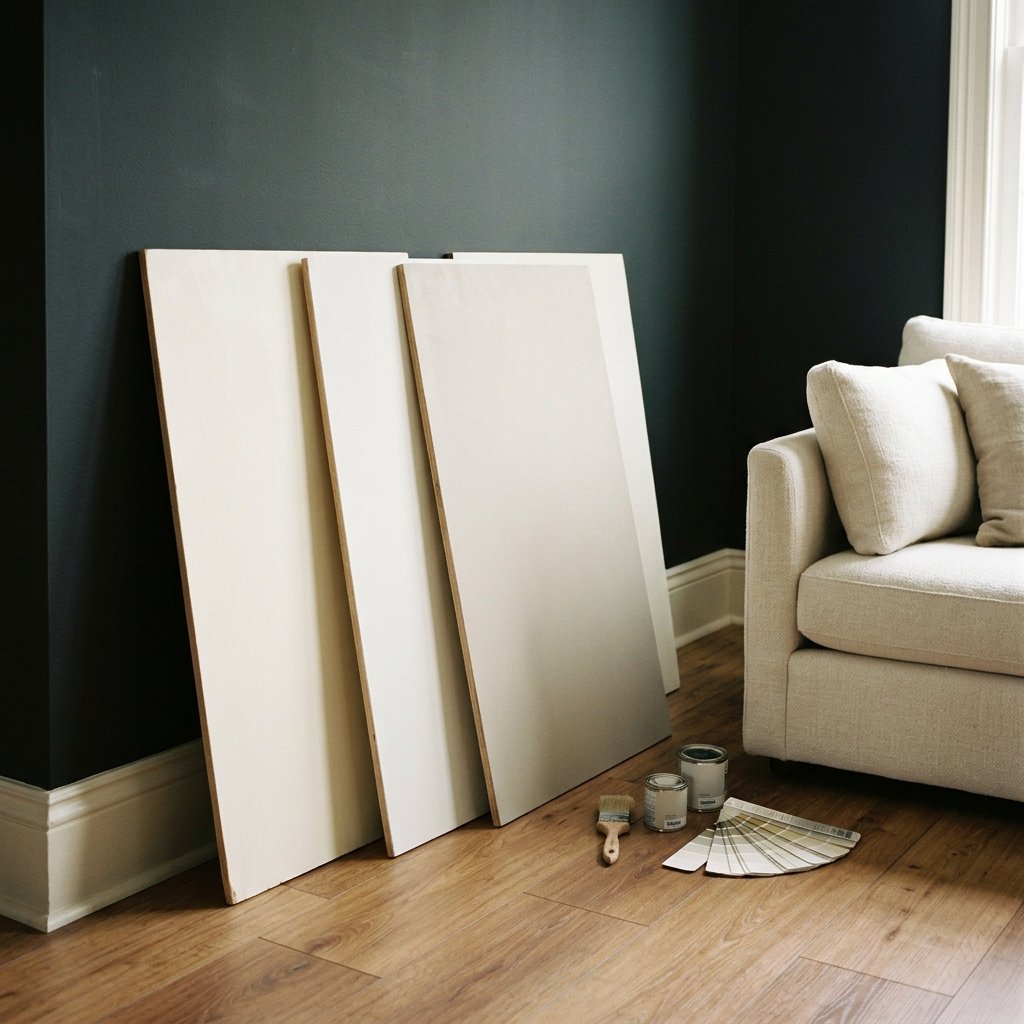
2. Pay Attention to Paint Undertones
A dark room makes undertones especially important.
If the natural light is already cool, a cool gray may become even cooler.
If the room contains warm wood floors, beige stone, or cream upholstery, an icy wall color may feel disconnected.
I look at the relationship between the paint and:
- Flooring
- Fireplace
- Sofa
- Rug
- Trim
- Adjacent rooms
The goal isn’t simply to choose the lightest color.
It’s to choose the light color that makes the entire room look better.
3. Don’t Assume White Paint Will Fix Everything
One of the biggest misconceptions about dark rooms is that white paint automatically makes them bright.
Paint reflects available light—it doesn’t create sunlight.
If a room receives very little natural light, white walls alone won’t suddenly make it sunny.
That’s why I treat paint as one part of the solution.
A successful dark-room makeover usually combines lighter walls with better artificial lighting, improved window treatments, lighter textiles, and thoughtful furniture placement.
4. Let the Windows Bring in as Much Light as Possible
Before making expensive changes, I look at what’s covering the windows.
Heavy curtains can dramatically reduce the amount of daylight entering a room.
If privacy and light control allow, lighter window treatments can help.
Consider:
- Linen
- Linen-look panels
- Lightweight woven fabric
- Light-colored shades
The goal is to frame the window rather than cover a large portion of it.
5. Hang Curtains Wider Than the Window
Curtain placement can make a noticeable difference.
When panels hang directly over the glass even while open, they block valuable daylight.
Where the wall, hardware, and room layout allow, extending the curtain rod beyond the window can let the open panels rest more over the wall and less over the glass.
It can also make the window appear wider.
Curtain rods and brackets need to be installed with hardware appropriate for the wall construction and the weight of the window treatment.
6. Use a Lighter Rug
A rug occupies a large amount of visual space.
If you have dark flooring and a dark rug, the entire lower half of the room may feel heavy.
A lighter rug can create contrast.
That doesn’t mean it has to be pure white.
Try:
- Cream
- Oatmeal
- Beige
- Pale greige
- Muted vintage-style pattern
Choose something practical for your household.
A busy family room may need a more forgiving pattern or fiber than a formal sitting room.
7. Lighten Some of the Upholstery
You don’t need to replace every piece of dark furniture.
If the sofa is dark, balance it with lighter elements.
Try:
- Cream pillows
- Light throw
- Pale rug
- Lighter chairs
If you’re already replacing furniture, a light or medium-toned sofa can make a substantial difference in a dark room.
But I wouldn’t buy a new sofa solely because the room needs more light.
Start with easier changes first.
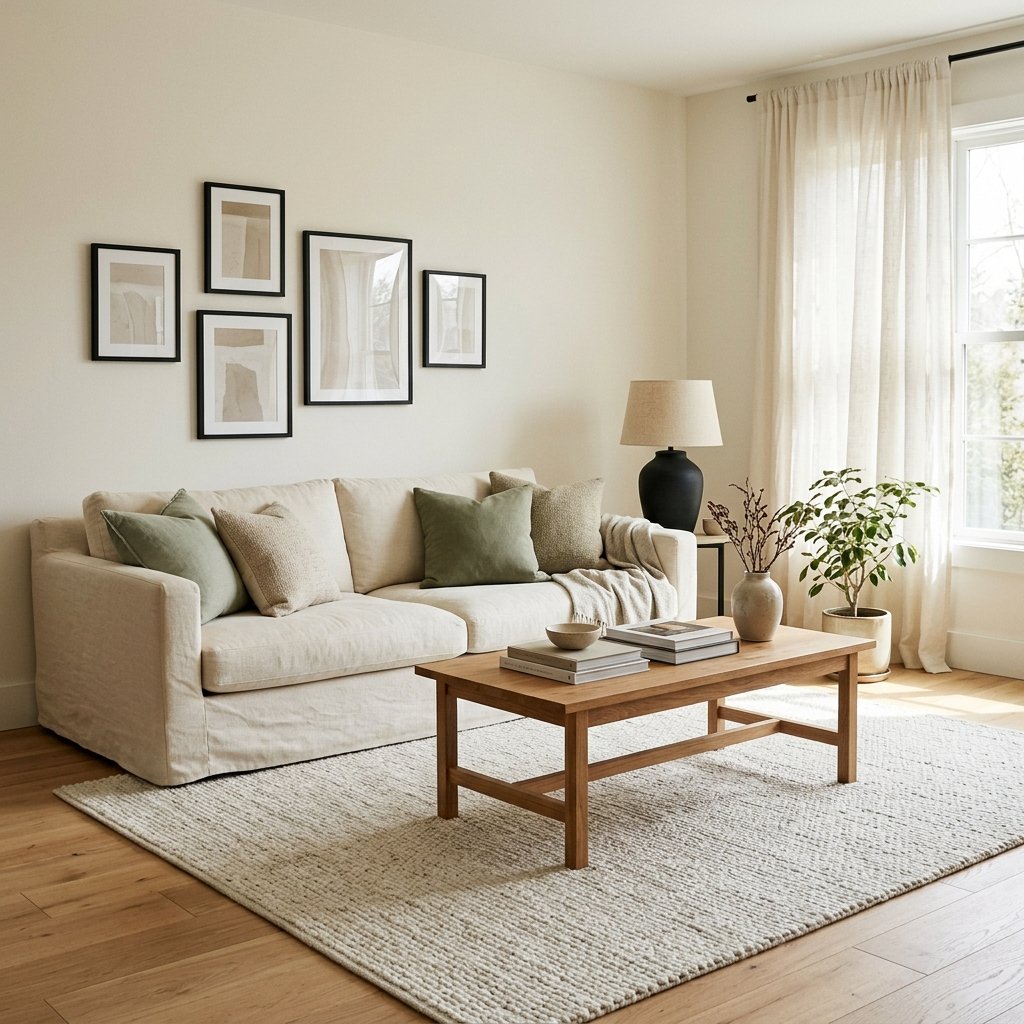
8. Keep Some Dark Contrast
A bright room doesn’t need to be an all-white room.
In fact, a few dark elements can make the lighter surfaces look even brighter.
I like to keep contrast through things such as:
- Black frame
- Dark lamp
- Wood furniture
- Fireplace
- Dark decorative object
The key is distribution.
One dark object surrounded by lighter materials can add definition.
A room where every major surface is dark may feel much heavier.
9. Add a Large Mirror
A mirror can help distribute available light and create a greater sense of depth.
The placement matters.
Rather than automatically hanging it anywhere, look for a location where it can reflect:
- Window
- Bright adjoining room
- Attractive light fixture
- Open view
A large mirror often has more visual impact than a collection of tiny mirrors.
For safety, heavy mirrors need to be secured using mounting hardware appropriate for their weight and the wall construction.
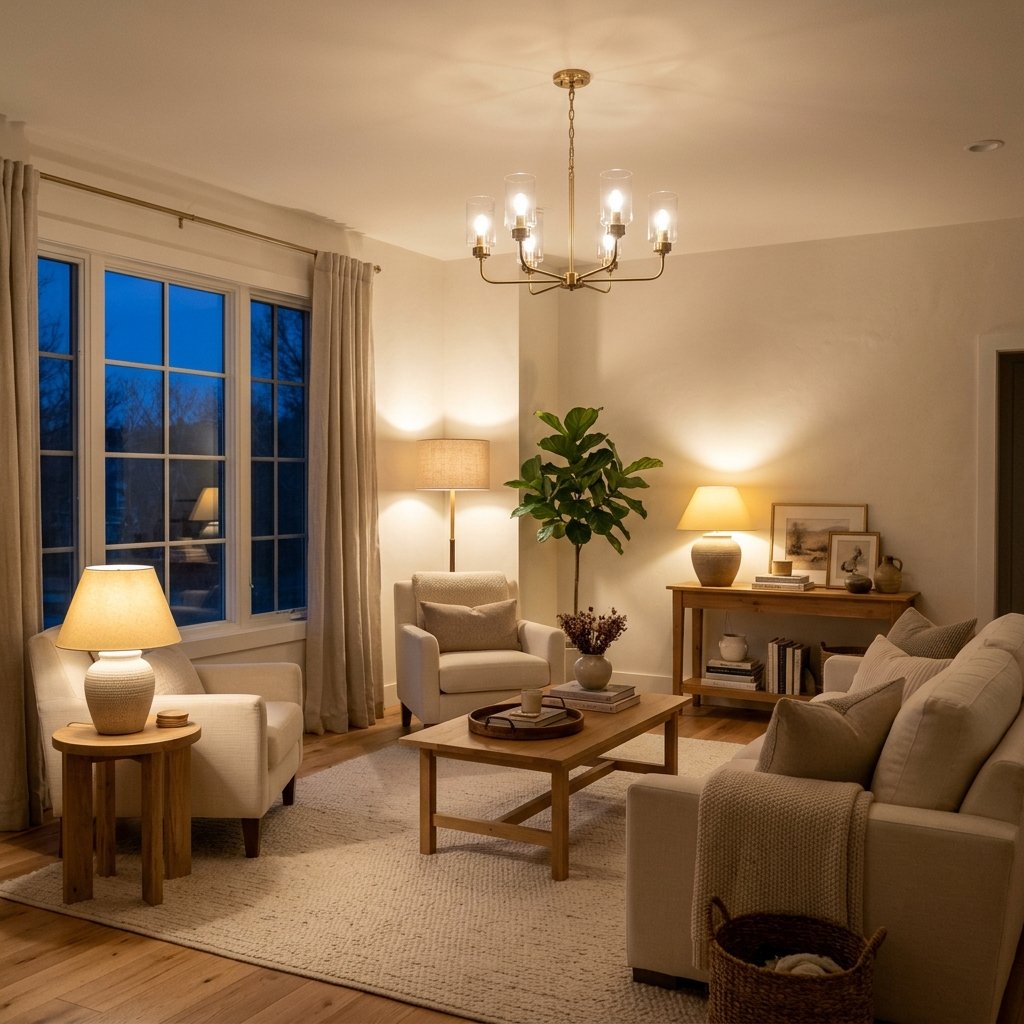
10. Use Several Sources of Artificial Light
This may be the most important part of brightening a naturally dark living room.
I don’t rely on one ceiling fixture.
Instead, I layer lighting.
A living room might include:
- Ceiling fixture
- Floor lamp
- Table lamps
- Sconces
- Picture light
- Accent lighting
These lights serve different purposes and allow the room to remain comfortable throughout the day.
11. Light the Corners
Dark corners can make the boundaries of a room visually disappear.
Adding a floor lamp or table lamp to an underlit area can make the room feel larger.
Look around your living room in the evening.
Where do shadows collect?
That may be where the next lamp belongs.
Don’t simply place every lamp around the sofa.
Think about illuminating the entire room.
12. Choose Light Bulbs Thoughtfully
Bulbs can change how paint, furniture, and textiles look.
Rather than choosing solely by wattage, check the specifications provided for the bulb and fixture, including brightness, color appearance, compatibility, and fixture limitations.
I want the lighting throughout one connected room to feel intentional rather than having one lamp look extremely warm and another look noticeably cool.
For hardwired fixtures, dimmers, sconces, or new electrical locations, follow applicable electrical requirements and use a qualified electrician where appropriate.
13. Choose Furniture With Visual Breathing Room
Large, heavy furniture can make a dark room feel even more crowded.
When possible, I look for pieces that create some visual space.
That might mean:
- Sofa with visible legs
- Open-base coffee table
- Leggy side table
- Chair with open arms
You don’t need every piece to be visually lightweight.
Mixing one substantial item with a few lighter-looking pieces can create balance.
14. Reduce Visual Clutter
Sometimes a room feels dark because it feels crowded.
Too many objects create shadows, interrupt sightlines, and make surfaces look busy.
Try simplifying:
- Coffee table
- Bookshelves
- Mantel
- Side tables
- Console
Instead of ten small accessories, use two or three larger pieces.
This doesn’t literally increase the amount of daylight, but it can make the room feel more open and calm.
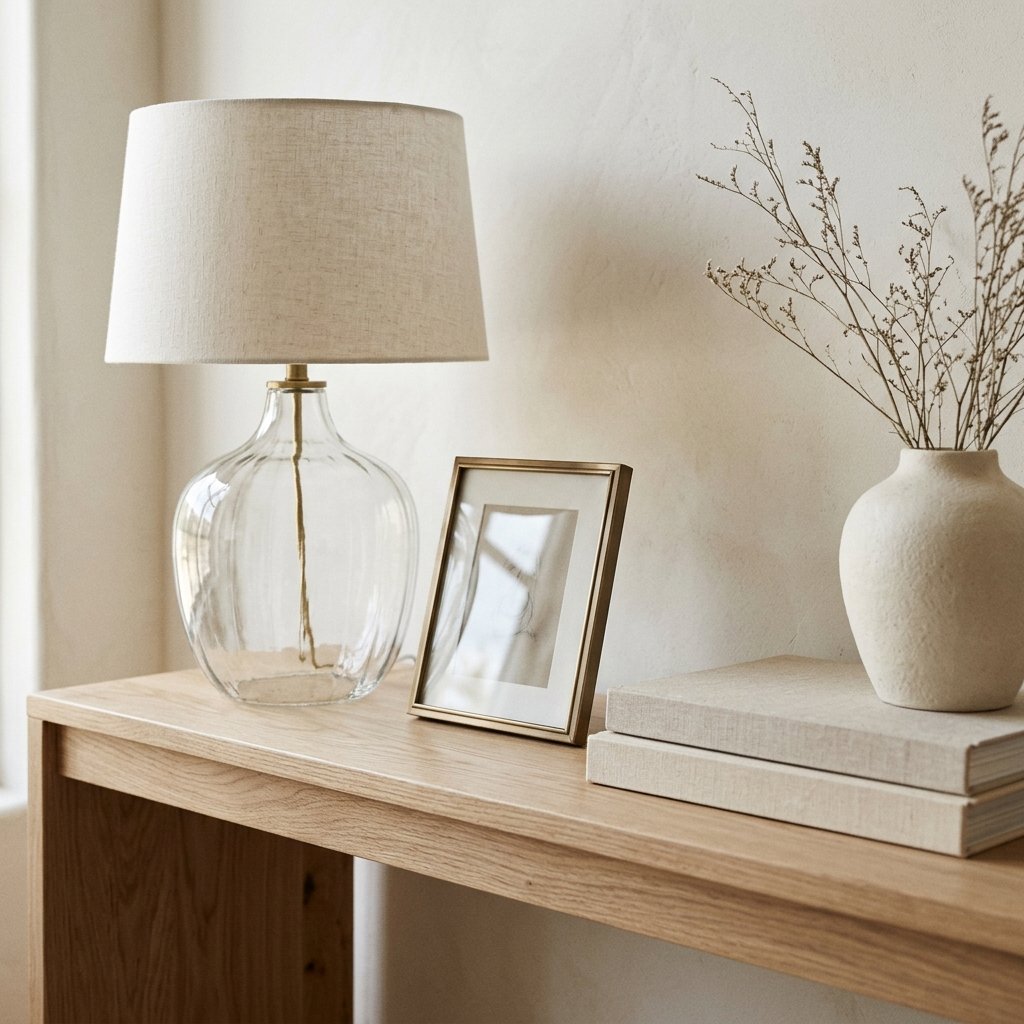
15. Add Reflective and Light-Catching Surfaces
Use these sparingly.
A few materials that interact with light can help:
- Glass
- Mirror
- Polished metal
- Light ceramic
- Subtle stone
You don’t need a room filled with shiny finishes.
One glass lamp, brass frame, or mirror can be enough to add a little sparkle.
How I Would Brighten a Dark Living Room Without Replacing the Furniture
If I wanted the biggest improvement with the least disruption, I’d start here:
- Test a lighter wall color.
- Open the window treatments as much as possible.
- Hang curtains wider where appropriate.
- Add a light rug.
- Introduce lighter pillow covers.
- Add another lamp.
- Place a mirror strategically.
- Remove unnecessary accessories.
These changes can significantly alter how the room feels without replacing the major furniture.
How to Brighten a Dark Living Room With Dark Floors
Dark floors can be beautiful.
Instead of trying to hide them, create contrast.
Use:
- Lighter rug
- Light or medium upholstery
- Warm pale walls
- Cream textiles
- Lighter window treatments
Then repeat the dark flooring color in smaller elements around the room.
For example, dark frames or a dark lamp can help the flooring feel intentional rather than isolated.
How to Brighten a Dark Living Room With a Dark Sofa
Keep the sofa.
Lighten the area around it.
Try:
- Cream or light pillows
- Lighter throw
- Pale rug
- Light wall color
- Lighter curtains
- Bright artwork
A dark sofa can actually become a beautiful grounding element when the rest of the room has enough contrast.
How to Brighten a Dark Living Room With a Dark Fireplace
Dark brick or stone doesn’t necessarily need to be painted.
First, try balancing it.
Consider:
- Lighter walls
- Light rug
- Large mirror or artwork above
- Pale accessories
- Good lighting
If you are considering painting masonry, research the specific material and fireplace construction before proceeding. Products and preparation need to be suitable for the surface and conditions, and required fireplace clearances and ventilation must be maintained.
How to Brighten a Living Room With No Overhead Lighting
Use several lamps instead of trying to make one lamp illuminate the entire room.
A combination might include:
Two table lamps + floor lamp
or:
Floor lamp + table lamp + plug-in lighting where safely appropriate
Position them at different points around the room.
This creates overlapping pools of light.
Avoid overloading outlets or extension products, and follow manufacturer ratings and electrical safety requirements.
How to Make a North-Facing Living Room Feel Brighter
North-facing rooms often receive cooler, more indirect natural light.
Instead of fighting that quality of light, I would test colors carefully.
A warm off-white or light warm neutral may help create balance, but there isn’t one universal color that works in every north-facing room.
The flooring, furnishings, window size, exterior conditions, and artificial lighting all matter.
Large samples are essential.
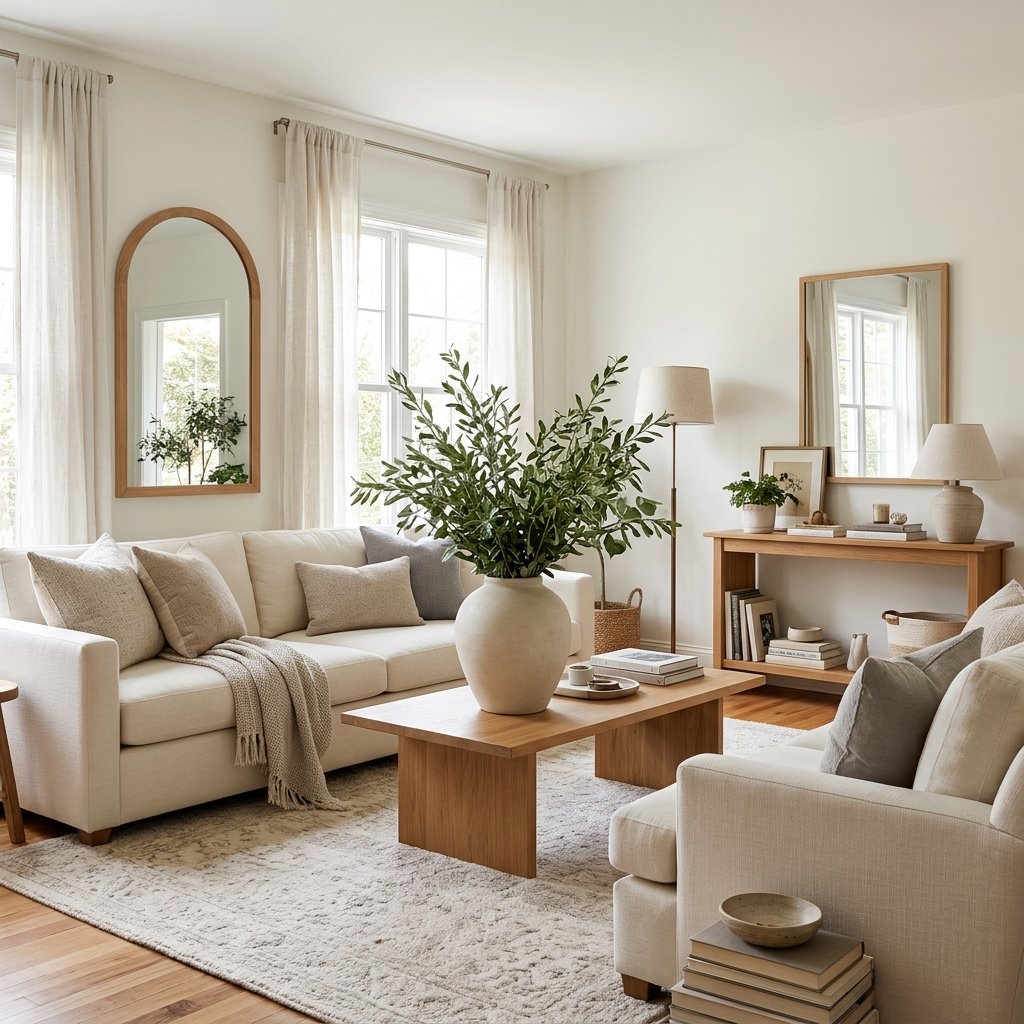
Use Warm Wood to Keep the Room From Feeling Cold
When I brighten a dark room, I don’t want to remove all the warmth.
Natural wood is one of the easiest ways to keep pale rooms from feeling sterile.
Try:
- Wood coffee table
- Side table
- Console
- Frames
- Decorative bowl
A room can be bright without being white-on-white.
Warm wood gives lighter colors something to contrast against.
Add Greenery for Color
Greenery can bring life to a pale room without making it feel darker.
One large arrangement is often enough.
Try:
- Leafy branches
- Simple houseplant suitable for the room
- Seasonal greenery
Choose plants according to the actual light conditions, and consider toxicity if children or pets have access to them.
In a low-light living room, select plants appropriate for lower-light conditions rather than assuming every indoor plant will thrive there.
What About Painting the Ceiling?
A light ceiling can help maintain a bright feeling, particularly when the walls are also relatively light.
But the ceiling doesn’t always need to be stark white.
Depending on the design, it could be:
- Soft white
- Warm white
- Lighter version of the wall direction
Evaluate it beside the trim and walls.
A ceiling color with a conflicting undertone can become surprisingly noticeable.
Should You Paint the Trim White?
Light trim can create definition and help a room feel crisp, but it isn’t mandatory.
Natural wood trim can be beautiful too.
If you already have dark wood trim, don’t assume painting it is the only way to brighten the room.
Try lighter walls, curtains, rugs, and improved lighting first.
Original or high-quality woodwork may be worth preserving.
If painting older trim, consider the age and existing coating before sanding or disturbing it. Older painted surfaces may require additional precautions.
How to Make a Dark Living Room Feel Bigger
Brightness and perceived size often overlap.
To make the room feel more open:
- Reduce clutter.
- Keep pathways clear.
- Use appropriately scaled furniture.
- Expose more window glass.
- Add a mirror.
- Use a lighter rug.
- Light dark corners.
- Create longer sightlines where possible.
Don’t assume small furniture automatically makes a small or dark room feel larger.
Too many undersized pieces can actually make it feel busier.
How to Brighten a Dark Living Room on a Budget
Start with the changes that cost little or nothing.
Rearrange the Furniture
Make sure large furniture isn’t unnecessarily blocking windows.
Remove Excess Decor
Simplify shelves and tables.
Clean the Windows
Dirty glass can reduce clarity and available light.
Follow safe cleaning practices, particularly for high or difficult-to-reach windows.
Change Pillow Covers
Use existing inserts.
Move Lamps Around
You may already own the lighting you need.
Shop Your Home
Move a light-colored vase, mirror, lamp, or artwork from another room.
Paint
If the current color is making the room feel particularly heavy, paint can provide a relatively large visual change for the cost.
What Didn’t Work: Trying to Make Everything White
A common mistake when brightening a room is removing too much contrast.
White walls.
White sofa.
White rug.
White curtains.
White accessories.
The room may be lighter, but it can also become flat.
Instead, I prefer a mix of:
Light surfaces + warm wood + texture + greenery + a little dark contrast
That gives the room depth.
What Didn’t Work: Relying on One Ceiling Light
Even a bright overhead fixture can leave corners dark and create harsh illumination.
Layered lighting is much more flexible.
Use lamps at different heights and positions.
This creates a room that feels brighter without feeling like an office.
What Didn’t Work: Choosing Paint From an Online Photo
A paint color shown in a bright, south-facing room may look completely different in a dark living room.
Photos are useful for inspiration.
They are not a substitute for sampling.
I always recommend testing paint in the actual space before committing to an entire room.
Common Mistakes When Brightening a Dark Room
Choosing Stark White Without Sampling
White can behave very differently in limited natural light.
Blocking Windows With Curtains
Open panels should expose as much glass as practical.
Ignoring Artificial Lighting
Paint cannot replace adequate lighting.
Using Only One Light Source
Layer lamps and fixtures.
Removing Every Dark Element
Contrast gives the room dimension.
Filling the Room With Tiny Furniture
Scale still matters.
Overdecorating
Visual clutter can make a dark room feel heavier.
Ignoring Adjacent Rooms
The brighter palette should still connect with the rest of the home.
My Simple Formula for Brightening a Dark Living Room
If I had to simplify the process, I’d use this order:
Step 1
Figure out what’s making the room feel dark.
Step 2
Maximize the available natural light.
Step 3
Test lighter wall colors.
Step 4
Use lighter window treatments.
Step 5
Add a lighter rug or textiles where needed.
Step 6
Layer several light sources.
Step 7
Use a mirror strategically.
Step 8
Keep warm wood and a little dark contrast.
Step 9
Reduce unnecessary visual clutter.
Step 10
Evaluate the room during both the day and evening.
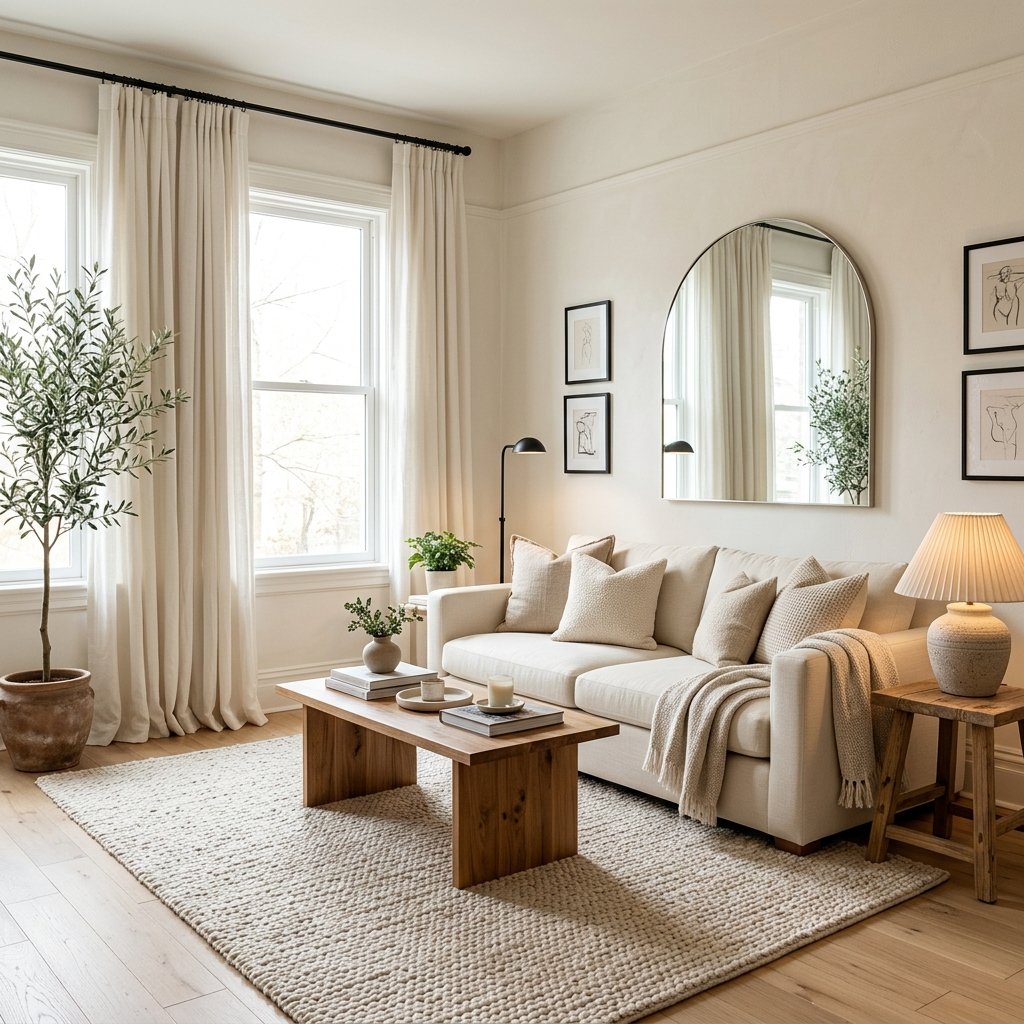
The result should feel lighter without losing warmth or personality.
FAQ About Brightening a Dark Living Room
What color makes a dark living room look brighter?
Light warm whites, off-whites, pale greiges, and other light neutrals can work well, but the right color depends on your flooring, furniture, fixed finishes, and natural light. Always sample first.
Should I paint a dark living room white?
You can, but white paint isn’t automatically the best choice. Some whites can look cold or dull in low natural light. A warm off-white or another light neutral may work better.
How can I brighten a dark living room without painting?
Open up the window area, use lighter curtains, add a pale rug and textiles, introduce mirrors, improve artificial lighting, and reduce visual clutter.
Do mirrors make a dark room brighter?
Mirrors can help reflect and redistribute available light while adding a sense of depth. Placement matters, so position them where they reflect a bright or attractive part of the room.
How can I brighten a room with dark furniture?
Balance dark furniture with lighter walls, rugs, curtains, pillows, and artwork. You don’t necessarily need to replace the furniture.
How can I brighten a room with very little natural light?
Artificial lighting becomes especially important. Layer table lamps, floor lamps, ceiling fixtures, or sconces as appropriate rather than relying on one light source.
Should curtains be light in a dark room?
Light-colored curtains can reduce visual heaviness, and hanging panels so they don’t unnecessarily cover the window glass can help maximize daylight.
Does a light rug make a room look brighter?
It can. Rugs cover a large visual area, so a lighter rug can noticeably change the balance of a room with dark flooring or furniture.
Can dark colors work in a dark living room?
Yes. You don’t need to eliminate dark colors. A few dark accents can provide useful contrast against lighter walls and textiles.
How can I make a dark living room cozy without making it darker?
Use warm wood, textured textiles, greenery, layered lamps, and a few darker accents while keeping larger surfaces relatively light.
Final Thoughts
The biggest lesson from how I brightened my dark living room is that there isn’t one magic fix.
It wasn’t simply about choosing lighter paint.
A dark room usually becomes brighter when several elements begin working together.
More window glass is exposed.
The walls reflect more of the available light.
The rug and textiles reduce visual heaviness.
A mirror helps move light around the room.
Multiple lamps eliminate shadowy corners.
And warm wood, greenery, and dark accents keep the finished space from feeling flat or sterile.
If your living room feels dark, start with the easiest changes before assuming you need a major renovation.
Open the curtains.
Move anything blocking the windows.
Add another lamp.
Simplify the accessories.
Try a lighter rug or pillow covers.
Then test paint colors.
Small improvements can build on one another until the entire room feels lighter, warmer, and much more inviting.

